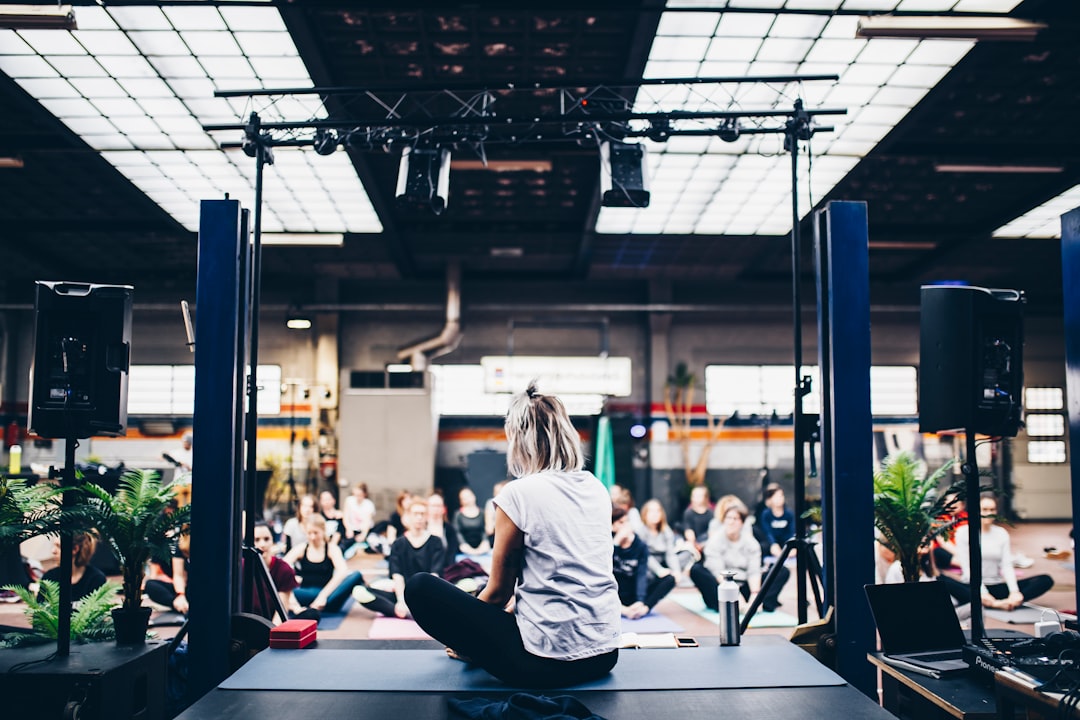
In a Balkan kolo, you don't dance facing an audience—you dance shoulder-to-shoulder in a circle, your heartbeat syncing with strangers who may not share your language but absolutely share your rhythm. That moment, when you stop counting steps and simply move, is when folk dancing stops being a lesson and becomes something you carry with you.
If you've ever wanted to get there but didn't know where to start, this guide is your roadmap. Here's how to go from complete beginner to someone the community recognizes and welcomes—the kind of dancer we call a "folk hero."
What "Folk Hero" Actually Means
Let's be clear: a folk hero isn't the flashiest dancer in the room. It's the person who shows up consistently, learns the unspoken etiquette, and makes newcomers feel welcome. They're the ones who remember the beginner's name, who point to the right foot when you're about to start on the wrong one, and who stay for the last dance even when they're tired. That's the standard we're aiming for—and it's more achievable than you think.
Why Folk Dance? (Hint: It's Not Just Exercise)
Yes, folk dancing keeps you active. But unlike a treadmill, it comes with built-in community, living history, and music that has survived wars, migrations, and revolutions. An Irish slip jig carries the cadence of a particular county. A Mexican jarabe encodes national identity in its steps. When you learn these dances, you're not memorizing choreography—you're participating in something that existed long before you and will outlast you.
Choosing Your First Style
The sheer variety of folk dance can feel overwhelming. Rather than trying to research your way to a decision, use this shortcut: attend one introductory session in three different traditions. Most cities have at least a few of the following:
- Irish set or céilí dancing: Fast, social, and driven by live fiddle and bodhrán. Great if you like structure and energy.
- Contra dancing: New England-style line dancing with frequent partner changes. Extremely beginner-friendly.
- Balkan or international folk dance: Circle and line dances from Greece, Macedonia, Bulgaria, and beyond. No partner required.
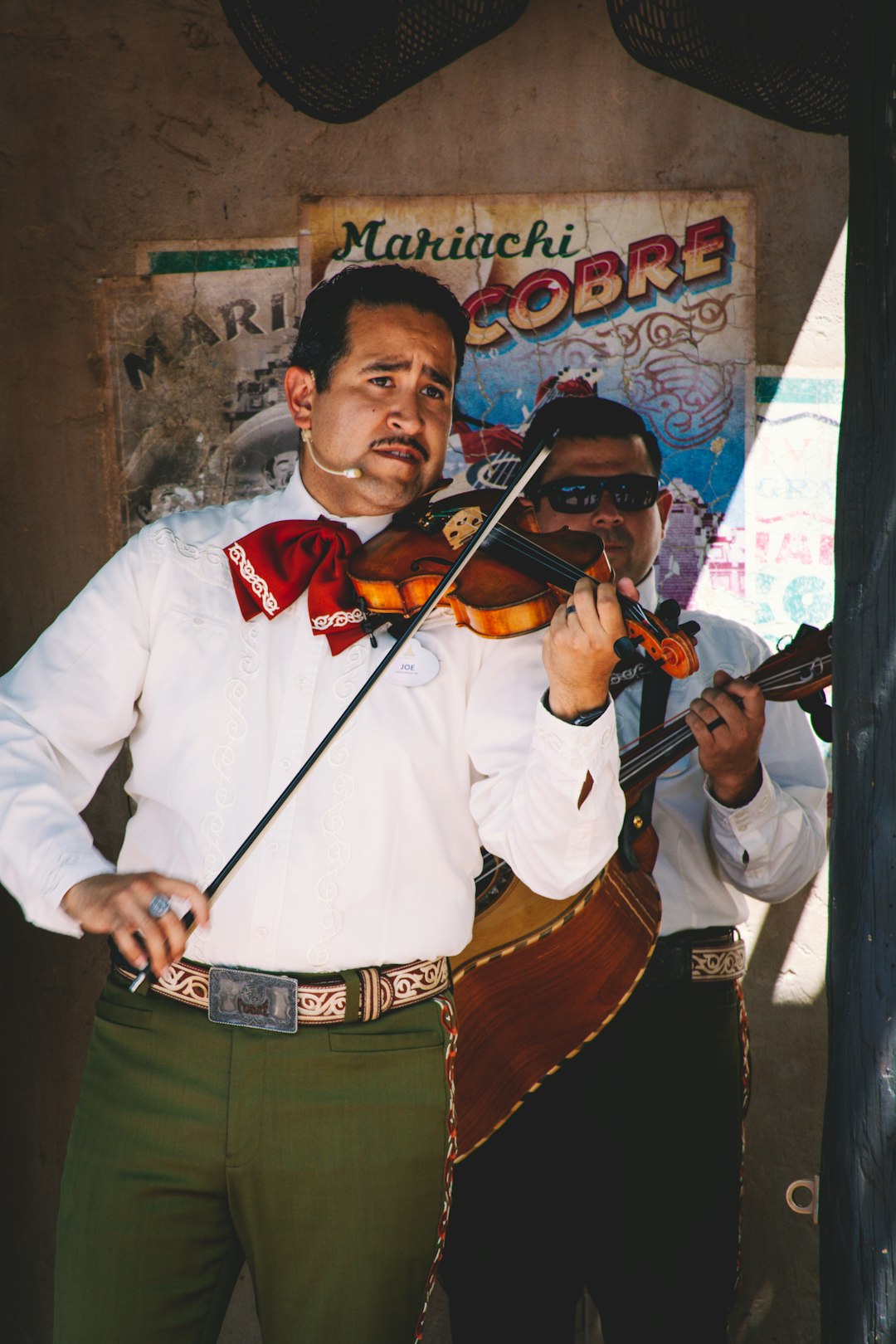
- Ballet folklórico: Highly choreographed Mexican regional dances with precise footwork and stunning costumes.
- English country dance: Slower, more graceful, and often tied to live classical-style music.
Pay attention not just to the steps, but to the people. Which group would you want to grab a drink with afterward? That's often the better indicator than the dance itself.
What to Wear (and What to Avoid)
"Comfortable clothes and supportive shoes" is technically true and practically useless. Here's what actually works, broken down by style:
| Dance Style | Recommended Footwear | What to Wear |
|---|---|---|
| Irish set/céilí | Ballet flats or light jazz shoes with flexible soles; avoid running shoes with grippy treads | Loose, breathable pants or a skirt that won't tangle |
| Contra dance | Leather-soled shoes that let you pivot and glide smoothly on wooden floors | Light layers; you'll heat up fast |
| Balkan/international | Low-heeled character shoes or smooth-soled flats | Modest, flexible clothing; circles move in both directions |
| Ballet folklórico | Low, sturdy block heels (2 inches max for beginners); eventually heeled character shoes | Practice clothes that let you lift your knees sharply; the elaborate costumes come later |
Maria López, a ballet folklórico instructor in San Antonio, tells beginners to stop worrying about the skirts. "If you can march and clap, you can learn the footwork. The costume comes later."
Learning the Basics Without Frustration
Every folk tradition has foundational steps that reappear across dozens of dances. Your only job in the first month is to recognize them and execute them passably—not perfectly.
Three principles will speed up your progress:
- Go slow to go fast. Practice the basic step at half-tempo until your body remembers it without your brain intervening.
- Dance behind someone experienced. In most folk dance settings, this is expected and encouraged. Watch their feet through the first few repetitions.
- Ask for feedback early. A two-minute correction from an instructor in week one prevents months of bad habits.
How to Survive Your First Dance Session
Your first time out will include moments of confusion. That's the deal. Here's how to get through them with your dignity and enthusiasm intact:
- Arrive ten minutes early to introduce yourself to the instructor and mention you're new.
- Stand near the center of the circle or line in your first dances—easier to follow, harder to get lost.
- It's okay to mark the steps (walk through them without the full energy) while you're learning.