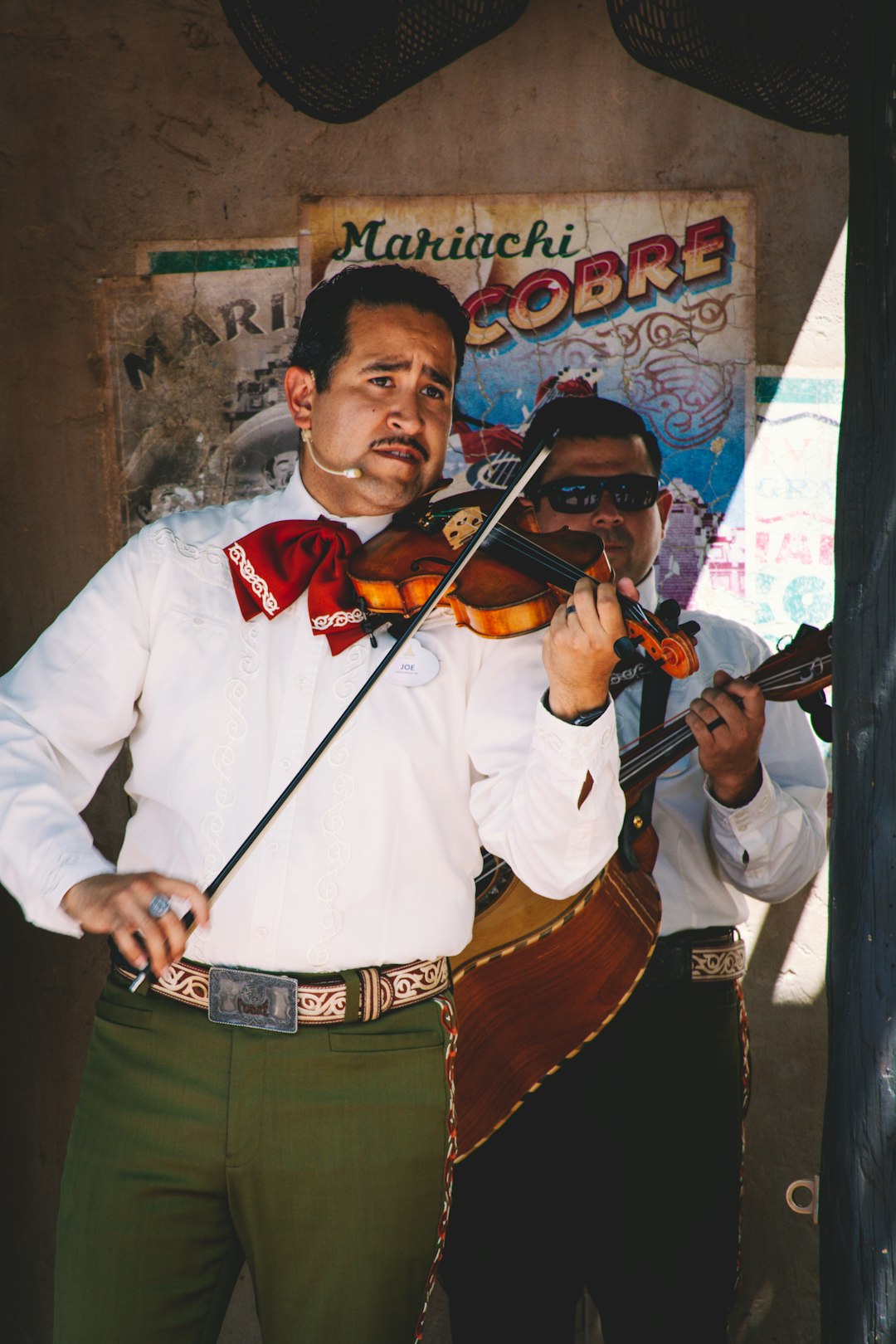
You don't need rhythm, a partner, or the "right" shoes to start folk dancing—you just need curiosity and room to move. From the thundering footwork of Irish sean-nós to the interlocking circle dances of the Balkans, folk traditions worldwide share one trait: they were made for everyone, not professionals.
Unlike performance dance forms created for staged spectacle, folk dance emerged from communities gathering to celebrate harvests, weddings, and seasonal changes. These dances were designed for participation, not observation. That legacy means beginners are welcome by design.
Why Folk Dance Belongs in Your Life
Cultural Connection That Goes Beyond Ancestry
Folk dance offers embodied history. When you learn a Bulgarian horo, you feel the asymmetrical rhythms that shaped Balkan music for centuries. When you join an English country dance, you move through patterns that echoed in village halls long before Jane Austen described them. This connection isn't limited to your own heritage—many dancers find meaning in traditions that simply resonate with their values or musical tastes.
Physical Benefits That Surpass the Gym
A 90-minute contra dance session can burn 400+ calories while constant pattern changes sharpen cognitive function. Research published in the New England Journal of Medicine found that social dancing reduced dementia risk more than walking, swimming, or cycling—likely because it combines physical exertion with split-second decision-making and social engagement.
Additional benefits include improved balance (crucial for fall prevention as we age), enhanced spatial awareness, and cardiovascular conditioning that doesn't feel like exercise because you're focused on the music and your fellow dancers.
Social Infrastructure Built In
Folk dance solves the modern isolation problem structurally. You rotate partners. You rely on neighbors to complete patterns. You learn together through repetition rather than performing for judgment. Many dancers report forming deeper friendships in their dance communities than in years of office or neighborhood interactions.
Your First Steps: From Curiosity to First Dance
Step 1: Choose Your Entry Point
Start with accessible styles that minimize barriers:
| Style | What to Expect | Best For |
|---|---|---|
| English Country Dance | Elegant walking patterns, live music, historical charm | History enthusiasts, those who prefer low-impact movement |
| Contra Dance | Fast-paced, caller-guided, continuous partner rotation | Energetic beginners who want immediate social connection |
| Israeli Folk Dance | Repertoire taught through repetition, welcoming international community | Those comfortable learning through observation and group practice |
| International Folk Dance | Mix of European, Balkan, and Mediterranean dances | Explorers who want to sample multiple traditions |
Search for "[style name] + [your city]" or check community centers, Unitarian Universalist churches (frequent hosts), and university international clubs for beginner sessions.
Step 2: Find Instruction That Fits
In-person options:
- Community centers and parks departments (lowest cost, often $5–$15 per session)
- Cultural organizations connected to specific heritage groups
- Dance studios offering "world dance" or specific folk styles
Virtual starting points:
- Folk Dance Federation of California's beginner video archive
- YouTube channels like "Contra Dance Tutorial" or specific cultural organizations
- Online workshops through Folk Arts Center of New England
What to wear: Comfortable shoes with smooth soles that allow pivoting. Avoid rubber-soled sneakers that grip the floor and strain knees. Layers work better than heavy sweaters once you warm up.
Step 3: Practice Through Participation
Unlike solo dance forms, folk dance improves primarily through social dancing rather than isolated practice. Attend regularly—most beginners feel competent within 6–8 sessions as muscle memory develops. Between sessions, listen to the music to internalize rhythms. Some dancers mark patterns with hand movements while listening to recordings.
Engaging Respectfully with Traditions
If exploring dances outside your heritage, approach with learning rather than performance in mind:
- Seek teachers from the source culture when possible, or those with documented study under cultural practitioners
- Understand context: Ask about the occasions, meanings, and evolution of dances rather than treating them as neutral movement patterns
- Avoid ceremonial appropriation: Costuming that replicates sacred or ritual dress is inappropriate for social dancing; street clothes or simple dance attire suffice
- Support originating communities: Attend cultural festivals, purchase music directly from artists, and acknowledge origins when sharing on social media
Many traditions welcome sincere students. The key is humility and ongoing education rather than claiming ownership.
Deepening Your Practice: A Realistic Progression
Months 1–3: Social Dancing
Attend regular dances, get comfortable with basic vocabulary, and build your network. Most communities host beginner-friendly events monthly or weekly.
Months 3–12: Community Performance
Join a performing group for low-pressure demonstrations at libraries, senior centers,