In a village square in Macedonia, grandmothers link arms with teenagers and dance until midnight. In Appalachia, strangers become friends through the precise geometry of contra dance. In urban community centers from Portland to Prague, people who've never met move in synchronized patterns within minutes of meeting.
Folk dance isn't performed for audiences—it's lived in community, one inherited step at a time.
What Folk Dance Actually Means
The term "folk dance" encompasses thousands of traditions, but they share a common thread: dances developed by everyday people, passed through generations, and rooted in specific cultural contexts. Unlike ballet or contemporary dance, which often emphasize individual performance, most folk traditions prioritize participation over perfection.
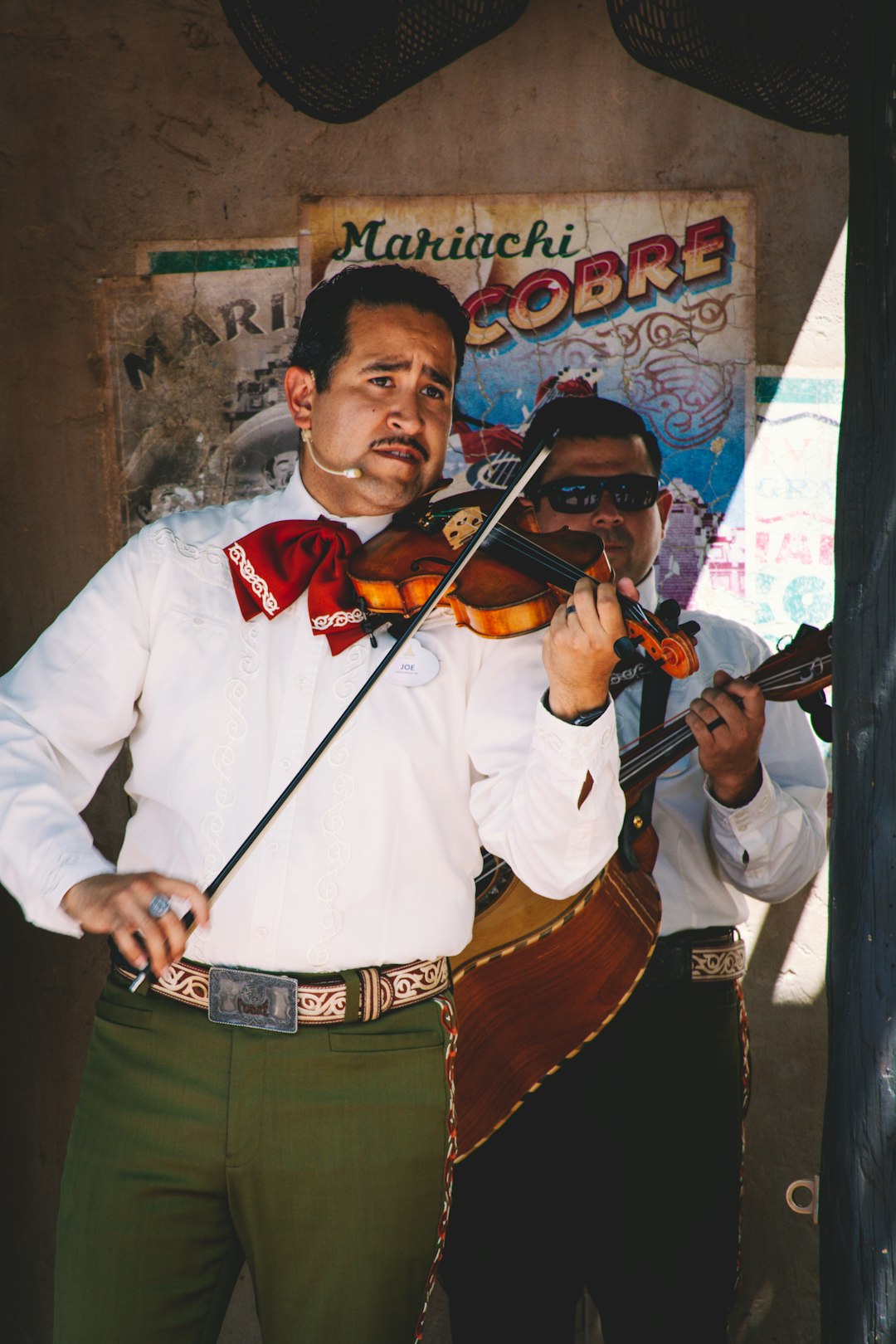
Consider the Bulgarian horo, where dancers hold hands in an unbroken chain, their feet tracing complex rhythms that have survived Ottoman rule and communist suppression. Or Irish sean-nós, an improvised solo form where the upper body stays relaxed while feet fire off intricate percussive patterns. Mexican jarabe tapatío—the "Mexican Hat Dance"—evolved from courtship rituals and now symbolizes national identity at celebrations worldwide.
These aren't museum pieces. They're living practices, constantly adapted by new generations of dancers.
Why Folk Dance Matters Now
Reconnection in Fragmented Times
The 2020 pandemic isolated us physically; the subsequent years left many emotionally untethered. Folk dance offers something screens cannot: embodied presence with others. Research from the University of Oxford's Department of Experimental Psychology found that synchronized movement with others—even simple clapping in rhythm—triggers endogenous opioid release, creating measurable feelings of social bonding.
"When you hold hands in a circle and breathe together, something shifts," says Laura Shannon, a dance ethnologist with thirty years of field research in Greek villages. "The boundaries between self and other soften. It's not metaphorical—it's neurological."
Sustainable Fitness Without the Grind
A 2013 study in the Journal of Aging and Physical Activity tracked adults over 60 who participated in regular folk dancing versus traditional exercise programs. The dancers showed comparable improvements in balance, cardiovascular health, and lower-body strength—but reported significantly higher enjoyment and adherence rates. Six months in, 78% of dancers remained active versus 43% of the exercise group.
The secret? Cognitive engagement. Learning patterns, responding to music, and navigating spatial relationships with partners keeps the mind occupied while the body works. An hour of Hungarian csárdás or English country dance can leave you breathless and grinning—without ever feeling like exercise.
Cultural Literacy as Personal Practice
In an era of cultural appropriation debates, folk dance offers something increasingly rare: legitimate, structured access to heritage traditions. Most established folk dance communities emphasize respect for source cultures, often involving immigrant instructors or cultural ambassadors who teach context alongside choreography.
For those with ancestral connections, dancing becomes research made physical. For others, it's informed appreciation rather than casual borrowing.
Your First Steps: A Practical Roadmap
Week 1: Discovery Without Commitment
Start with video research to identify what resonates. YouTube channels like Folk Dance Remixed offer free tutorials across traditions. Search for "[dance name] + demonstration" rather than "tutorial" initially—you want to see the form in its social context, not isolated instruction.
Key questions to consider:
- Do solo improvisations (flamenco, tap) or group synchrony (contra, Balkan line dances) appeal more?
- Are you drawn to specific musical traditions—Eastern European brass bands, Celtic fiddling, Andean pan flutes?
- Is performance interest or purely social dancing your goal?
Week 2: Find Your People
In-person options:
- Folk Alliance International maintains a global directory of groups and events
- Meetup.com often hosts established international folk dance circles in major cities
- Local cultural festivals frequently offer beginner workshops
Virtual entry points:
- CDSS Online (Country Dance and Song Society) streams English country dance sessions
- Vancouver International Folk Dancers maintains an extensive Zoom schedule
Many groups offer "first night free" policies specifically for newcomers.
Week 3: What to Actually Expect
The physical reality: Wear comfortable, flexible shoes with clean soles—street dirt damages wooden floors. Layers work better than heavy sweaters; you'll warm up quickly. No special attire required initially, though some traditions eventually invite costume participation.
The social protocol: In most folk dance communities, experienced dancers actively welcome newcomers through structured practices. Contra dance traditions use "pigeon winging"—deliberately pairing beginners with patient veterans. Balkan circles rotate partners naturally. If you lack a partner, don't worry: many traditions use open circles, lines, or mixer formations designed for solo arrivals.
The learning curve: Expect to feel slightly overwhelmed for three to four sessions. Folk dance teaching methods