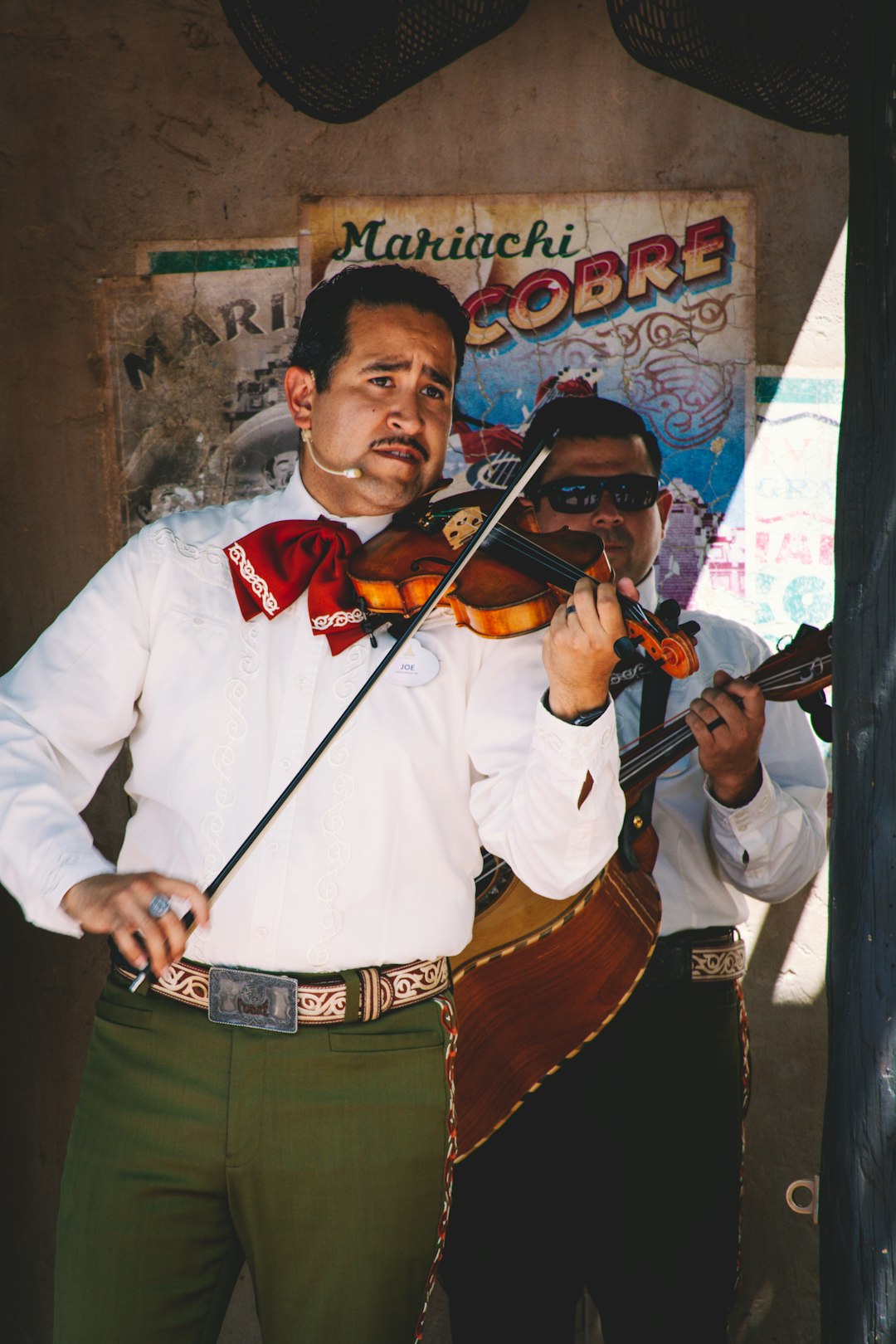
Picture this: a circle of strangers holding hands, their feet finding the same rhythm without spoken instruction, the accordion swelling as the tempo builds. By the end of the evening, you're no longer strangers — you're part of a tradition that predates recorded history. This is folk dance.
What Is Folk Dance, Really?
Folk dance isn't a single style but a vast family of movement traditions developed by communities and passed down through generations. Unlike ballet or contemporary dance, which evolve through choreographers and institutions, folk dance lives in the bodies of ordinary people — at weddings, harvest festivals, and weekly gatherings in church basements and community halls.
What unites these diverse traditions? Simplicity and repetition make steps learnable for all ages. Live or traditional music drives the movement. Social connection matters as much as technique — many dances require partners, lines, or circles where everyone participates.
Yet folk dance varies dramatically across cultures. Some traditions emphasize explosive energy and aerial tricks; others prize subtle weight shifts and intimate communication between partners. Understanding this diversity helps you find a tradition that genuinely resonates.
Folk Dance Traditions to Explore
| Dance | Origin | Characteristics | Best For |
|---|---|---|---|
| Contra | New England, USA | Live music, caller-led, beginner-friendly | Social dancers who enjoy geometric patterns |
| Flamenco | Andalusia, Spain | Improvisational, percussive footwork, emotional intensity | Solo performers seeking artistic expression |
| Bharatanatyam | Tamil Nadu, India | Precise gestures, storytelling, spiritual roots | Those drawn to disciplined, meditative practice |
| Polska | Scandinavia | Turning couples, 3/4 time, subtle lead-follow | Partner dancers wanting nuanced connection |
| Bhangra | Punjab, India/UK diaspora | High energy, shoulder movements, celebratory | Anyone seeking vigorous, joyful movement |
Why Folk Dance Still Matters
In an age of algorithmic entertainment, folk dance offers something radical: unmediated human connection. When you dance with someone, you're not consuming content — you're creating meaning together in real time.
The cultural preservation aspect runs deeper than nostalgia. Each tradition encodes specific knowledge: historical events, agricultural cycles, religious beliefs, social values. The hambo carries Swedish immigration stories. Sephardic Jewish dances preserve Ladino language and memory of exile. To learn these dances is to participate in living history.
The personal benefits surprise many beginners. The cognitive challenge of learning steps while moving to music builds neuroplasticity. The social accountability of a weekly group supports mental health more reliably than solo gym routines. And the embodied nature of folk dance — thinking through your feet rather than about them — offers genuine stress relief.
Your First Steps: A Practical Roadmap
Finding Your Tradition
Start with one specific dance rather than "folk dance" generally. Ask yourself: Do I want partner dancing or group formations? Fast cardio or controlled movement? European roots or global traditions? Your answers narrow the field considerably.
Search "[dance name] + [your city]" rather than generic terms. Most established communities maintain websites or Facebook groups with beginner-friendly events clearly marked.
What to Expect at Your First Class
Most folk dance groups welcome absolute beginners with no partner required. Here's how to prepare:
- Footwear: Smooth-soled shoes that won't mark floors. Avoid rubber sneakers that grip too much — you'll need to pivot and slide.
- Clothing: Comfortable layers. Even "gentle" dances prove more aerobic than anticipated.
- Supplies: Water and a small towel. Some traditions involve hand-holding; others don't.
- Mindset: Expect confusion. The first session overwhelms everyone. Return for session three before judging whether the dance suits you.
Building Skill at Home
Fifteen minutes of deliberate practice between classes accelerates progress dramatically:
- Master the basic step before adding arms or styling. Record yourself — folk dance often feels different than it looks.
- Focus on weight shifts and timing rather than memorizing sequences. Most "wrong" steps stem from being on the wrong foot, not forgetting choreography.
- Use online resources strategically. YouTube channels, Zoom review sessions, and technique breakdowns have expanded dramatically since 2020. Many communities now offer hybrid learning options.
Deepening Your Practice
Once comfortable with fundamentals, seek folk dance festivals and special events. These multi-day gatherings feature intensive workshops, live music from source musicians, and the chance to see dances in their traditional social context. The immersion transforms understanding in ways weekly classes cannot.
The Invitation
Your first folk dance class will likely feel awkward. The steps won't come naturally, and you may step on someone's toes — literally. But somewhere around the third or fourth session, muscle memory kicks in,