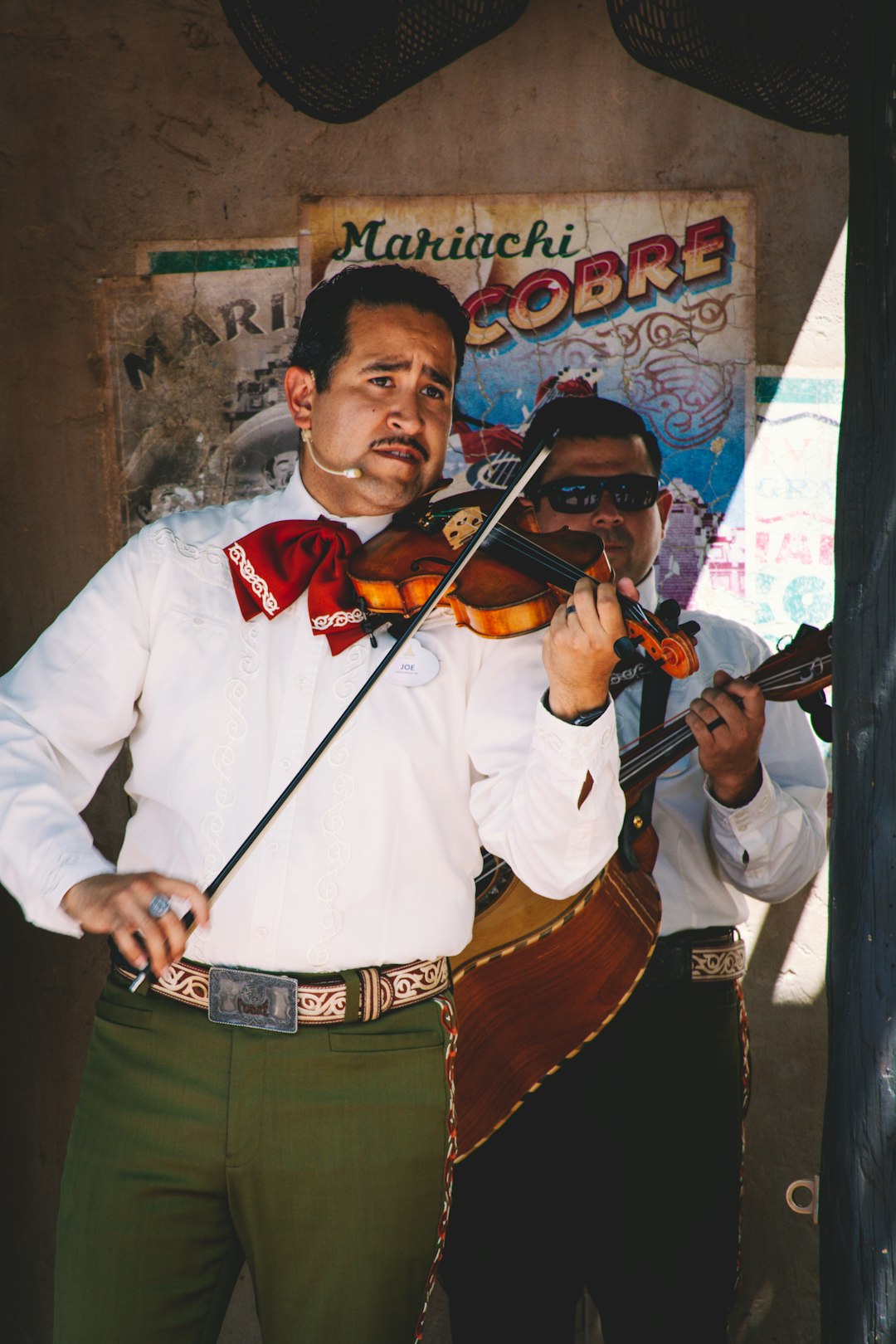
There's something transformative about joining a circle of dancers, your palm pressed against a stranger's, your feet finding the same rhythm that generations before you have stamped into wooden floors and village squares. Folk dance isn't merely movement—it's living history, cultural conversation, and community woven into physical form.
Whether you're drawn by heritage, fitness, or pure curiosity, this guide transforms the abstract promise of "learning folk dance" into concrete, actionable first steps.
Understanding What Folk Dance Actually Is
Before lacing up your shoes, grasp what distinguishes folk dance from ballet, ballroom, or contemporary styles. Folk dance emerges organically from communities rather than individual choreographers. It survives through oral tradition, adapts to new generations, and carries cultural meaning that extends far beyond entertainment.
The Four Universal Elements
Every folk dance tradition builds on these foundations:
| Element | What It Means | Why It Matters for Beginners |
|---|---|---|
| Step patterns | Repeated rhythmic footwork sequences | Provides the "vocabulary" you'll combine and vary |
| Formation | How dancers occupy space—circles, lines, squares, scattered | Determines whether you'll dance alone or connect with others |
| Connection | Physical contact (or deliberate absence of it) | Affects comfort level and social dynamic |
| Improvisation spectrum | Freedom to adapt versus strict adherence to set figures | Sets expectations for how much you must memorize |
Understanding these elements prevents beginner frustration. A Bulgarian horo in a circle formation demands spatial awareness that solo Irish step dancing doesn't. Israeli folk dance's mix of set and improvised sections requires different mental preparation than fully choreographed Scottish country dance.
Choosing Your First Dance Style: A Decision Framework
The editor's warning stands: don't default to the Euro-centric trio often cited. Instead, match dance to your physical reality and social preferences.
Start With These Questions
Solo performance or communal experience?
- Solo precision: Irish step dancing, Flamenco (acknowledging its contested folk status), Highland dancing, Bharatanatyam
- Social connection: Contra dance, English country dance, Greek syrtaki, Israeli folk dance, square dancing
Physical considerations
- Knee or ankle sensitivity? Avoid high-impact styles like Highland dancing with its elevated jumps. Consider Israeli folk dance's grounded, flowing movements or English country dance's walking-based figures.
- Cardiovascular limitations? Contra dance offers frequent partner changes with brief rests between figures.
Musical attraction
- Love driving rhythm? Irish set dancing or Cape Breton step dance.
- Drawn to melodic complexity? Hungarian táncház or Greek regional dances.
- Prefer vocal accompaniment? Georgian polyphonic dances or South African gumboot dancing.
Three Accessible Entry Points
Contra Dance (New England/International)
- Live fiddle-driven music, caller teaches each dance before it begins, welcoming community culture, no partner required.
- First-step complexity: Low. Walk through figures before dancing to music.
International Folk Dance (General)
- Recreational groups worldwide teach dances from multiple traditions—Balkan, Israeli, Scandinavian, more—in single sessions.
- First-step complexity: Variable. Beginner nights exist; advanced sessions assume prior knowledge.
English Country Dance
- Jane Austen-era social dance, walking pace, intricate patterns, strong etiquette tradition.
- First-step complexity: Moderate. Figures build logically but require attention to spatial relationships.
Essential Steps: Three Foundational Patterns
The original article's greatest failure was promising "essential steps" while delivering none. Here are three universally applicable beginner patterns with precise breakdowns.
Pattern 1: The Basic Polka Step
Used across Eastern European, Mexican, and American folk traditions.
| Count | Action | Detail |
|---|---|---|
| 1 | Step left | Ball of foot first, slight forward lean |
| & | Close right to left | Quick transfer of weight, knees soft |
| 2 | Step left and pause/hop | Full weight, optional small hop for accent |
Practice protocol: Start at 100 BPM with a metronome. Master the "quick-quick-slow" rhythm before adding the hop. Common error: rushing the sustained second beat. When comfortable, increase to 120-130 BPM typical of social dance tempo.
Pattern 2: The Schottische Step
Found in Scandinavian, Scottish, and Appalachian traditions—a traveling step that builds coordination.
| Count | Action |
|---|---|
| 1 | Step left |
| 2 | Step right |
| 3 | Step left |
| 4 | Hop on left, raising right knee slightly |
Practice protocol: Initially omit the hop, simply pausing on count 4. Add the hop only when the three-step sequence feels automatic. Practice in straight lines, then experiment with turning clockwise on every fourth