---
The moment it clicks — that first time you stop thinking about which muscle moves when and just feel the music — everything changes. You've moved past the awkward "am I doing this right?" phase. Your hips actually undulate on beat. People at the beginner workshop nod when you demonstrate. But somewhere around this point, most dancers hit a wall.
Not a physical wall. A conceptual one.
You know the basics. But "knowing" and "performing" are two completely different languages. Here's how to bridge that gap — not with another checklist, but with a shift in how you think about your practice.
Move Beyond the Move
Here's what nobody tells you about intermediate belly dance: the techniques stop mattering as much as the transitions between them.
When you watch a killer Egyptian raqs sharqi performance, you're not just watching hip drops or chest circles — you're watching how one movement dissolves into the next. That shimmy that bleeds into an undulation, the way she travels from a hip circle straight into a Turkish drop without losing momentum.
The secret? Start your next move before you finish the current one.
Practice this: pick two fundamentals you know cold. Run them together at half speed, then quarter speed, finding the exact moment where one ends and the other begins. That overlap is where fluidity lives. It's also what separates "I take belly dance classes" from "I am a dancer."
Borrow Without Apologizing
The intermediate trap is locking yourself into one style. You've found what feels comfortable and now everything looks the same.
Time to get uncomfortable.
Pull on a Turkish chandelier dress and hit an American Tribal Style circle. Learn why Egyptian composers favor those specific melodic phrases. Here's the thing about "style" — it isn't just costumes and arm positions. It's politeness. It's how you relate to the audience, how you fill space, what you imply versus declare.
Watch a YouTube video of Dinawidow dancing in a Cairo nightclub versus a FatChanceBellyDance format in Oakland. Same dance family, wildly different energy. Neither is more "authentic." They're just different conversations with the audience.
Add three new styles to your vocabulary this year. Not for variety's sake — so you can choose which voice speaks through your body.
The Silence Between Notes
Musicality gets preached about constantly but rarely gets taught.
Here's an exercise that works: put on a dirndle track and close your eyes. Don't move. Just listen — once, all the way through. Identify three instruments. Notice where the singer pauses. Find the two beats in the eight-count that feel different from the others.
Now dance. But here's the twist: pause too.
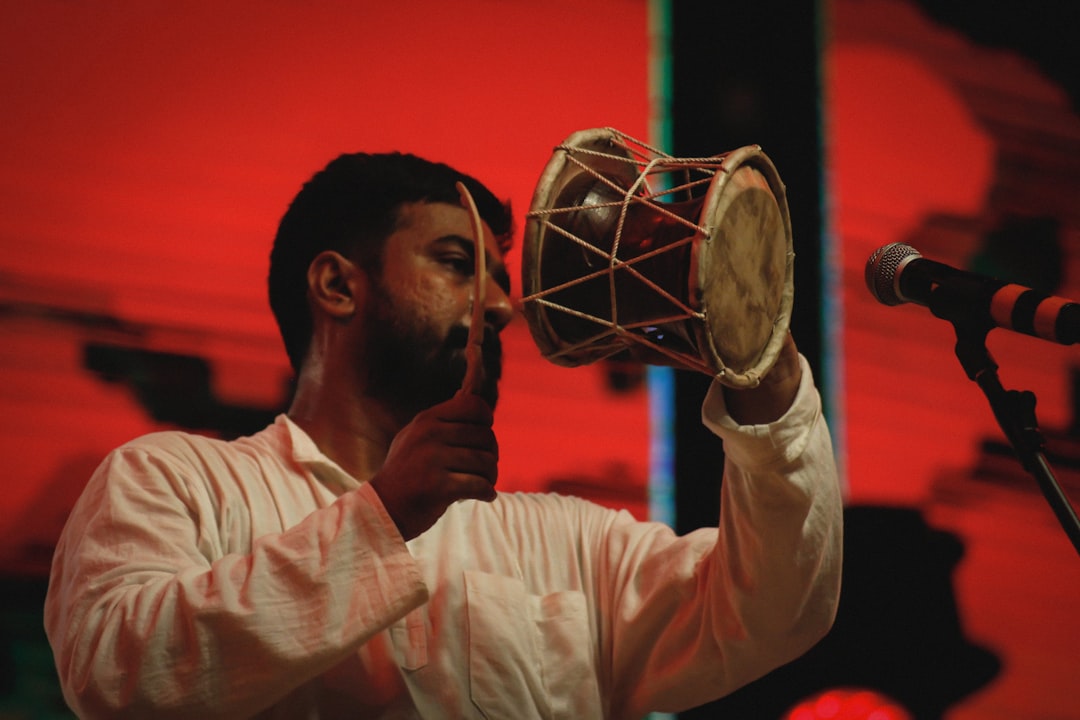
The greatest belly dancers aren't the ones hitting every beat. They're the ones knowing which beat to leave alone. That held note, that breath before the chorus, where the darbuka stops and the oud takes over — those silences are where your artistry lives.
Your body is now a second instrument. Learn its duet with the actual ones.
Train the Rest to Help the Dance
Your abs get all the glory in belly dance, but your shoulders, upper back, and hip flexors are doing more work than you think.
A practical shift: swap thirty minutes of drill repetitions for ten minutes of targeted conditioning. Forearm plank holds, pigeon pose, leg lifts while lying on your back. The moves that look the most "belly dance" — floating hips, controlled shimmies, those gorgeous rib cage isolations — require core strength you build outside the dance.
And flexibility isn't optional. Try executing a perfect hip circle with tight hip flexors. Can't do it. Yoga twice a week, even just twenty minutes at home, will change what your body can do in ways direct practice never will.
Not because you're building "technique." Because you're building capacity.
Learn With Your Eyes Closed
Workshops with guest instructors — especially the ones from out of town — are gold. But here's how to actually get what they're teaching:
Ask questions before class starts. Tell them you're working on something specific. Then listen differently during the demo. You're not watching for new moves. You're watching for the shift in weight, the facial expression change, the breath.
The technique is on the syllabus. The nuance is in the demo.
Also: film yourself. I know, I know. Watch it anyway. You'll see exactly what you think you're doing versus what's actually translating to an audience. Most intermediate dancers have a blind spot in their own body — the camera doesn't lie, but it also doesn't judge. It just shows.
Be Uncomfortably You
Once you can execute, you face a harder question: who are you when you dance?
Costumes tell a story. Props carry meaning. But here's the uncomfortable truth — no accessory fixes a generic performance. There's a dancer at every hafla who looks technically flawless and leaves you untouched. There's another who hits one emotional note and you can't stop thinking about her.
Your style isn't your technique. It's what you care about. What story do you want this song to tell? What feeling do you want the audience to have twenty minutes from now?
That takes years. It also takes being willing to fail publicly, to try something that doesn't work, to admit that your favorite combination is actually boring you. That's where the real growth happens — past the point where you're proving something to anyone, into the space where you're just telling the truth with your body.
The Stage Is a Mirror
You can practice in your living room forever. At some point, you need to practice being watched.
The first gigs are awkward. The lighting is wrong. Your entrance feels too long. You realize you've been rushing because nobody told you the song tempo before you walked on stage.
Every performance is a class. The audience sees what you can't. The room tells you what your mirror hides. A restaurant hafla in front of twelve people eating kebab is exactly as valuable as a festival stage — it's just less pretty.
Book one thing this month you don't feel ready for. That's the only way you grow into bigger rooms.
---
You're past the basics. That's real. But "beyond basics" isn't a destination — it's a permission.
Permission to be curious. To borrow ruthlessly from every style that catches your ear. To fail with your whole chest in front of strangers. To discover that everything you've learned was just the prequel.
The dance is already in you. Now you're just finding the courage to let it out.