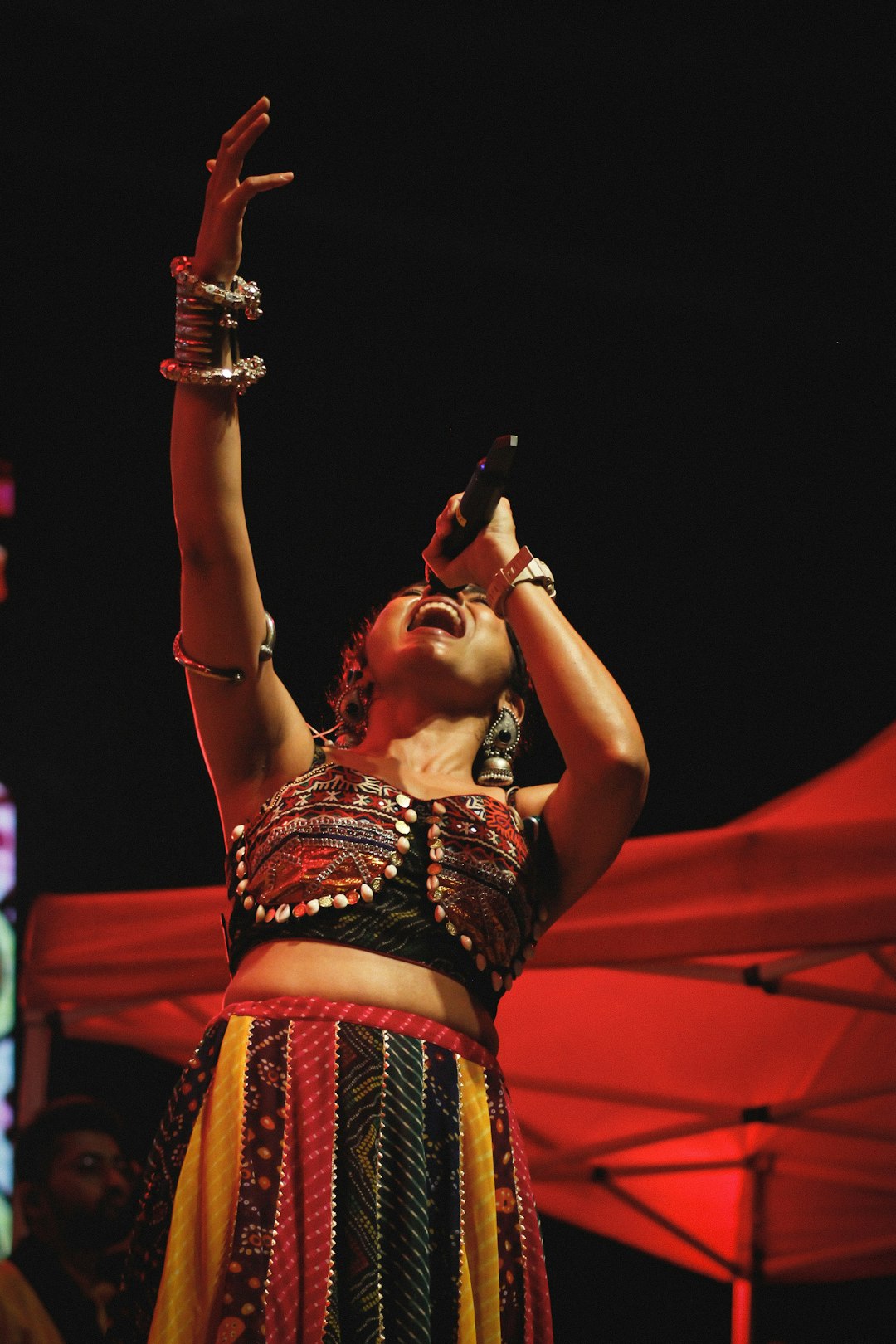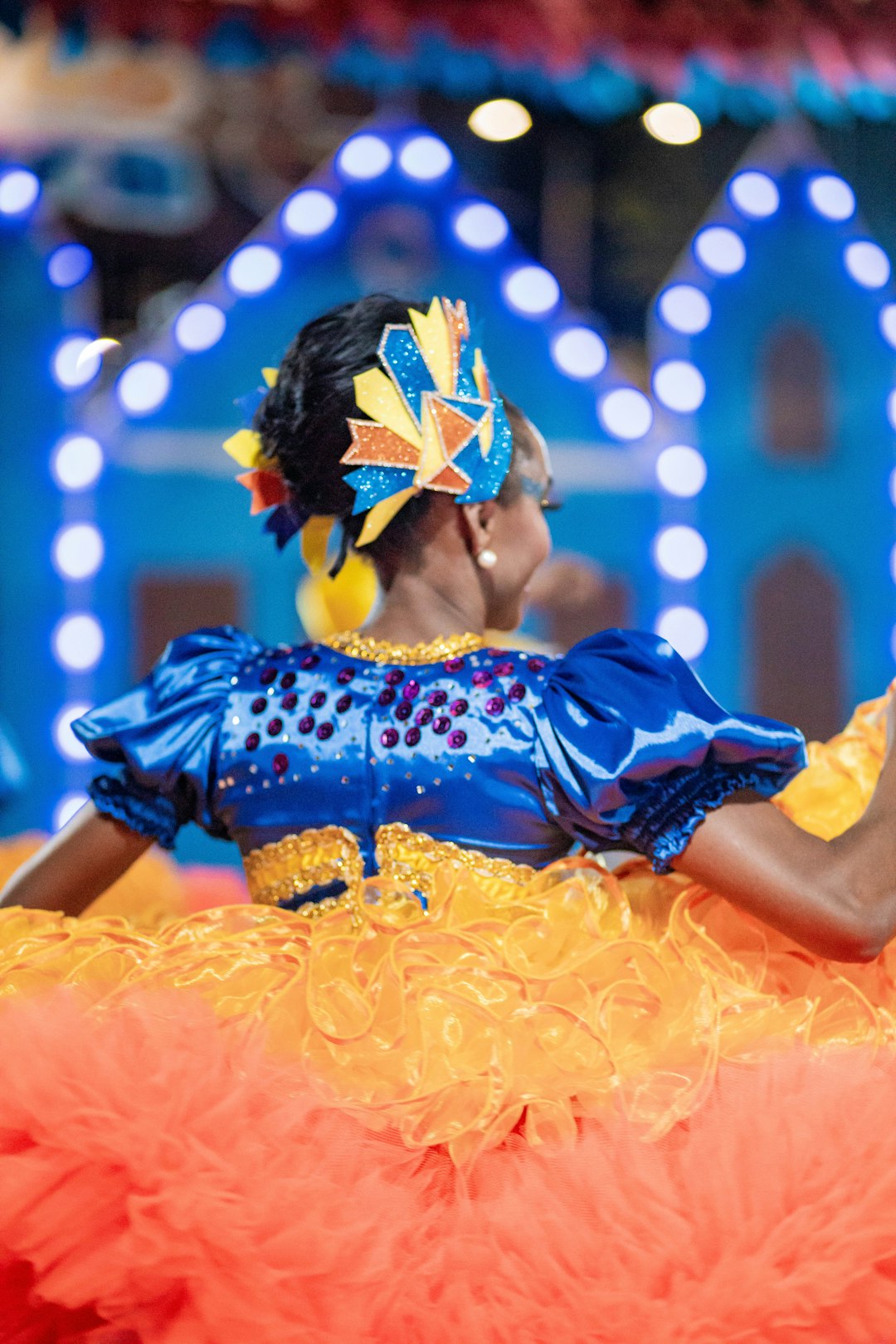
In a dimly lit tablao in Seville, a singer's voice cracks with duende—that untranslatable surge of soul that leaves audiences motionless. A guitarist's fingers blur across nylon strings, and a dancer's heels strike the floorboards like gunfire. This is flamenco: not merely entertainment, but an eruption of centuries-old pain, defiance, and joy.
Yet this art form, now celebrated on world stages and protected by UNESCO, was born in shadow. Its survival is a story of cultural fusion, political persecution, and relentless reinvention.
The Crucible of Andalusia
Flamenco emerged in the late 18th century from the cuevas (caves) of Sacromonte, Granada, and the marginalized neighborhoods of Seville and Cádiz. Its creation was catalyzed by catastrophe: the 1492 Edict of Expulsion forced Jews and Muslims from Spain, while Romani people—already persecuted across Europe—found refuge in the south. These displaced communities, alongside impoverished Andalusians, forged something unprecedented from their collective grief.
The early cante jondo (deep song) required no theater, no costumes, no formal training. A voice, a guitar, the percussive palmas of handclaps—this was enough to channel duende, the dark spirit Lorca described as rising from "the depths of the blood."
Four elements remain essential today:
- Cante: The singing, soul of flamenco
- Baile: The dance, explosive and precise
- Toque: Guitar mastery, once secondary, now revolutionary
- Jaleo: The shouts, claps, and encouragement binding performer to audience
The Golden Age and the Café Cantante
The 1840s–1860s birthed the café cantante era, when venues like Seville's Café de Novedades transformed flamenco from private ritual to public spectacle. Silverio Franconetti, a former bullfighter with a voice of "broken velvet," became the first superstar, while Antonio Chacón refined the cante with classical discipline. The palos—distinct forms like the solemn soleá, playful alegrías, and lightning-fast bulerías—crystallized during this period, each with its own rhythm, key, and emotional register.
Yet this "golden age" carried contradiction. Commercial success demanded polish; improvisation yielded to choreography. The tension between puro (pure) and comercial (commercial) flamenco was born—and persists today.
Suppression and Resistance
Franco's dictatorship (1939–1975) weaponized flamenco as nationalist propaganda while suppressing its Romani roots. State-sponsored tablaos presented sanitized spectacles for tourists; authentic peñas (flamenco clubs) operated underground. Artists navigated impossible choices: collaboration meant survival but betrayal; resistance meant poverty and persecution.
Carmen Amaya (1913–1963), the "Queen of the Gypsies," defied both categories. Dancing in trousers, her footwork a percussive assault, she embodied flamenco's transgressive power. Decades later, guitarist Sabicas (1912–1990) would electrify international audiences, proving flamenco could transcend borders without losing its soul.
Revolution and Globalization
The late 20th century shattered conventions. Paco de Lucía's La Barrosa (1987) introduced jazz harmonies and the Peruvian cajón, scandalizing purists and inspiring generations. Fusion groups like Ketama and Ojos de Brujo merged flamenco with salsa, hip-hop, electronic music—sparking fierce debate: Was this evolution or dilution?
Contemporary artists navigate this tension deliberately. Sara Baras's theatrical spectacles fill stadiums; Estrella Morente's cante honors her father while embracing orchestral arrangements. Young bailaores study classical ballet and Romani tradition; cantaores sample electronic beats and archival field recordings.
Living Heritage
In 2010, UNESCO designated flamenco Intangible Cultural Heritage of Humanity—not as museum piece, but as "transmitted from generation to generation." This recognition acknowledged what practitioners always knew: flamenco lives through adaptation.
Today's controversies mirror historical ones. Purists decry Instagram choreography and auto-tuned cante; innovators argue that duende cannot be preserved in amber. Both perspectives hold truth. The soleá performed in Granada's caves differs from Madrid conservatory productions differs from Tokyo tablaos—yet all remain recognizably, undeniably flamenco.
Perhaps this