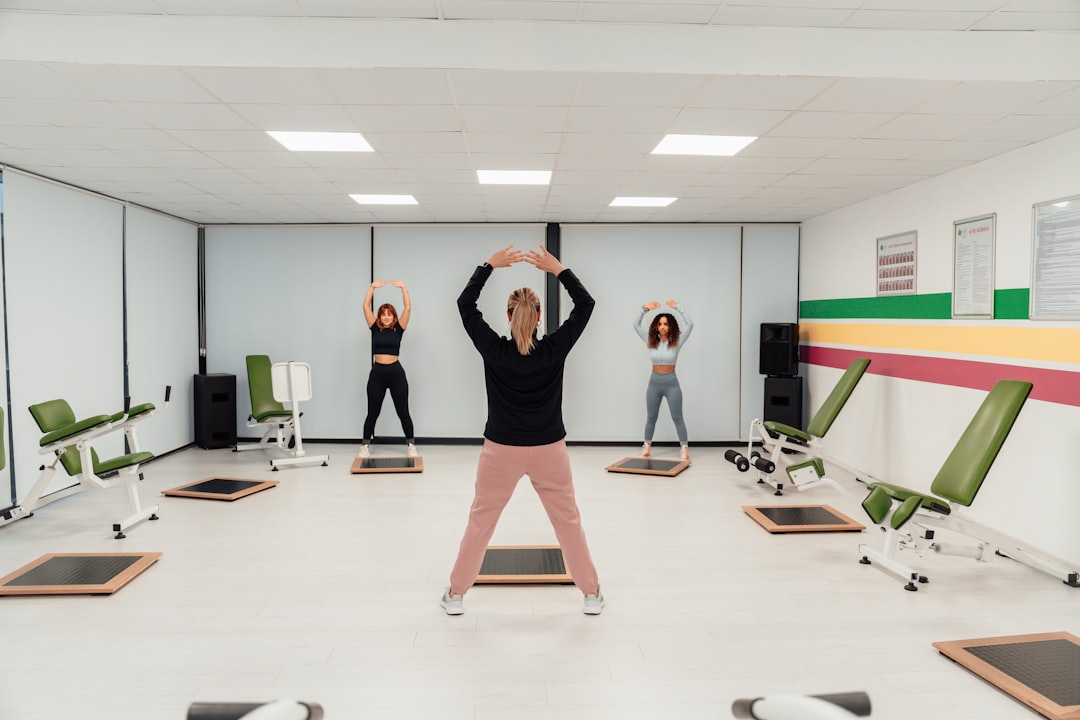
Turning your passion for Irish dance into sustainable income requires more than talent—it demands strategic planning, industry credentials, and a clear-eyed understanding of how professionals actually make a living. Whether you dream of touring with Riverdance, opening your own studio, or building a digital teaching empire, here's what you need to know to transform your hard shoe dreams into reality.
1. Master the Competitive Circuit
Professional Irish dance begins on the competitive stage. While recreational dancers can find limited performance work, serious career prospects require Open Championship level achievement at major competitions.
What this means practically:
- Compete at Oireachtas (regional championships), Nationals, and ideally the World Championships
- Develop relationships with recognized costume makers—many professional companies require dancers with established solo dresses
- Build the stamina that touring demands: 90+ minutes of high-impact performance, often twice daily
The competitive circuit isn't just about medals. It's where artistic directors scout talent, where you build the technical precision that separates hobbyists from professionals, and where you learn to perform under pressure.
2. Build a Three-Part Portfolio
Vague advice about "collecting videos" won't land you contracts. You need a deliberately constructed portfolio with three distinct components:
| Component | Purpose | Format |
|---|---|---|
| Technical footage | Demonstrate precision and complexity | 30–60 seconds each of hard shoe and soft shoe, filmed at competition or in studio with clean audio |
| Performance reels | Show stage presence and audience connection | Edited clips from shows, staged performances, or high-quality practice footage with theatrical lighting |
| Professional CV | Establish credibility and training lineage | One page listing competitive achievements, teachers, master classes, and any relevant certifications |
Digital presence matters twice: Maintain active Instagram and TikTok accounts for visibility and community building, but invest in a professional website with clean navigation and contact information for hiring managers who won't scroll through social feeds.
3. Network at the Right Events
Not all workshops carry equal weight. Prioritize these high-value opportunities:
- North American Feis Commission convention – Essential for stateside teachers and performers
- World Irish Dance Association (WIDA) workshops – Growing alternative certification path with strong European connections
- Master classes with Riverdance principals – Colin Dunne, Jean Butler, and current touring cast members offer intensives that double as informal auditions
Join before you're ready. Become a member of the Irish Dance Teachers Association of North America (IDTANA) or your regional equivalent even before pursuing certification. These organizations post job opportunities, offer liability insurance for teachers, and provide the professional credibility that opens doors.
4. Pursue Teaching Certification (Seriously)
Teaching Irish dance independently requires credentials that casual dancers rarely understand. The path to certification is rigorous, expensive, and non-negotiable for legitimate studio ownership.
The TCRG/TMRF Path:
| Credential | Issued By | What It Allows | Timeline & Cost |
|---|---|---|---|
| TCRG (Teagascóir Choimisiúin Le Rinci Gaelacha) | An Coimisiún Le Rincí Gaelacha (CLRG) | Teach and enter students in feiseanna | 2–4 years, $2,000–$4,000 |
| TMRF (Teagascóir Múinteora Rinci Foirne) | CLRG | Adjudicate competitions | Additional 1–2 years post-TCRG |
| WIDA/CRN equivalents | World Irish Dance Association / Commission for Irish Dance | Alternative competitive circuit access | Varies by organization |
The exams test written theory (Irish dance history, music structure, step construction), practical demonstration of multiple dance styles, and often Irish language pronunciation. Most candidates fail at least one section on first attempt—budget time and money accordingly.
Alternative entry point: Start by assisting at established schools, teaching beginner classes under supervision, or offering private lessons to friends and family while working toward full certification.
5. Navigate Actual Performance Pathways
"Professional touring companies" means specific, knowable opportunities with distinct requirements:
Major Touring Productions:
- Riverdance – The gold standard; auditions typically require Open Championship competitive background and often specific height/appearance standards
- Lord of the Dance / Feet of Flames – Michael Flatley's legacy shows with rotating casts
- Celtic Woman – Vocal-forward but requires strong dance integration
- Rhythm of the Dance – Smaller touring footprint, more accessible entry point
Alternative Performance Income:
- Cruise ship contracts (Norwegian, Royal Caribbean, and Disney all maintain Irish dance shows)
- Regional dinner theaters and cultural festivals
- Corporate events and wedding entertainment













like yours nowadays. I really appreciate individuals like you!
Take care!!
a amusement account it. Look complex to more added agreeable from
you! By the way, how could we keep up a correspondence?
It's a very easy on the eyes which makes it much more enjoyable
for me to come here and visit more often. Did you hire out a developer to create your theme?
Outstanding work!
It's always useful to read content from other authors and practice something
from other sites.
I seriously appreciate your technique of blogging. I added it to
my bookmark site list and will be checking back soon. Please visit my website too and tell me your opinion.
so he/she needs to be available that in detail, thus
that thing is maintained over here.
your efforts and I will be waiting for your next post thank you once again.
weblog link on your page at proper place and other person will also do similar for you.
yourself or did you hire someone to do it for you? Plz answer
back as I'm looking to create my own blog and would like to find out where u got this from.
thanks a lot
pretty much the same page layout and design. Superb choice of colors!
thus I only use world wide web for that purpose, and obtain the newest information.
A Realistic Guide to Professional Irish Dance Careers <Liked it!
I require a specialist in this area to resolve my problem.
May be that's you! Having a look forward to see you.
this weblog, and I used to visit this blog daily.
I am visiting this site and reading very informative articles or reviews
at this place.
I'm new to the blog world but I'm trying to get started and
create my own. Do you need any coding expertise to
make your own blog? Any help would be greatly appreciated!
A Realistic Guide to Professional Irish Dance Careers <Liked it!
fine, keep up writing.
I've joined your feed and look forward to searching for extra of your great post.
Additionally, I've shared your web site in my social networks
and finally got the courage to go ahead and give you
a shout out from Porter Tx! Just wanted to
say keep up the fantastic job!
say that I've really enjoyed browsing your weblog posts.
After all I will be subscribing to your rss feed and I hope
you write once more soon!
You have touched some pleasant factors here.
Any way keep up wrinting.
in fact enjoying by these.
I'm definitely enjoying the information. I'm bookmarking and will be tweeting this to my
followers! Great blog and superb style and design.
this ᴡebsite and be updated with the newest news posted herе.