In 1994, seven minutes of synchronized hard-shoe thunder changed global perceptions of Irish dance forever. Three decades after Riverdance's debut, professional Irish dance has evolved into a multi-million euro industry spanning touring productions, competitive circuits, and digital content creation. But the path from first steps to paid performance remains fiercely competitive—and poorly mapped for newcomers.
What does "professional" actually mean? For some, it's dancing in Riverdance, Lord of the Dance, or Heartbeat of Home. For others, it's teaching full-time, adjudicating at major championships, or building a solo career through social media and corporate bookings. The routes diverge, but they share common demands: extraordinary physical capacity, financial investment, and strategic career planning that begins long before your first paycheck.
Here's what actually separates hobbyists from professionals.
Start Early (But Not Exclusively)
Most elite competitors begin between ages 4–8, when neural pathways for complex rhythm and posture form most readily. Early training builds the "muscle memory" that allows advanced dancers to execute trebles and clicks with seemingly effortless precision.
Yet "start early" isn't absolute. Late starters who begin at 12–14 can still reach professional levels, particularly in theatre and commercial dance. Canadian dancer Nathan Pilatzke began at 13 and joined Riverdance within six years. The non-negotiable factor isn't starting age—it's hours of deliberate, supervised practice before skeletal maturity hardens joints and limits flexibility.
The reality: By age 16, most professional-bound dancers have logged 10,000+ hours of training. Starting at 6 versus 14 gives you more runway, but exceptional late starters can compress that timeline through intensive summer programs and private coaching.
Choose Your Training Ground Wisely
Not all Irish dance schools prepare students for professional careers. Many focus exclusively on recreational dancers or local competition success. To identify a school that produces professionals:
Verification Checklist
-
Confirm credentials: Your teacher should hold current TCRG (certified Irish dance teacher) or ADCRG (adjudicator) certification through An Coimisiún Le Rincí Gaelacha, An Comhdháil, the World Irish Dance Association, or another recognized body. These credentials require passing rigorous examinations in dance technique, music theory, and teaching methodology.
-
Observe advanced classes: Watch how teachers correct alignment, manage injury prevention, and develop individual artistry—not just drill steps.
-
Ask direct questions:
- "How many students have reached Open Championship level in the past five years?"
- "What professional pathways do your graduates pursue?"
- "Do you maintain relationships with touring companies or talent agents?"
Geography matters. Ireland, North America (particularly Boston, Chicago, and Toronto), and Australia host the densest concentrations of elite schools. Remote students may need to travel monthly for master classes or relocate for intensive training periods.
Train Smarter, Not Just Longer
The romantic image of the dancer practicing until midnight obscures a dangerous truth: Irish dance has one of the highest injury rates in performing arts. A 2019 study in the Journal of Dance Medicine & Science found that 76% of competitive Irish dancers sustain overuse injuries, particularly to feet, ankles, and hips.
Sustainable Training Protocol
| Element | Recommendation |
|---|---|
| Daily practice | 1.5–3 hours for advanced students, split across technique, strength, and repertoire |
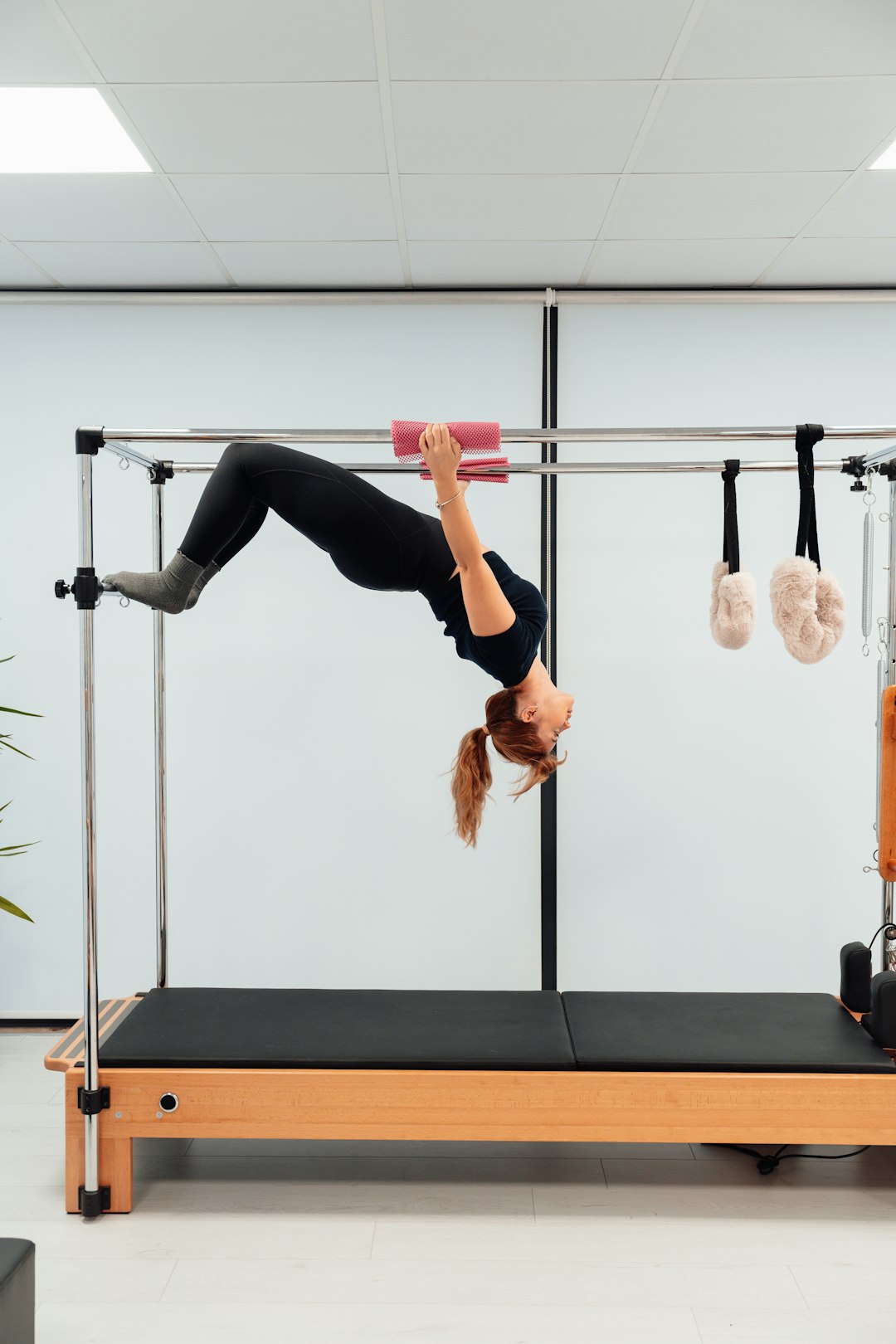
| Cross-training | Pilates, swimming, or cycling to build aerobic base without impact loading |
| Recovery | Mandatory rest days; sleep prioritization; nutrition consultation |
| Medical support | Sports medicine physician familiar with dance; regular screening for stress injuries |
Quality trumps quantity. Twenty minutes of focused attention on a single technical element—say, the elevation and landing mechanics of a "bird"—yields more improvement than unfocused repetition.
Navigate the Competition Hierarchy Strategically
"Competitions" in Irish dance operate on a tiered system that newcomers must understand:
-
Feiseanna: Local festivals offering beginner through championship levels. Essential for early performance experience, but insufficient alone for professional development.
-
Regional Oireachtas: Qualifying events for North American dancers. Top placements here attract attention from touring company scouts.
-
All-Ireland Championships: The proving ground for serious competitors. Final-round dancers are effectively auditioning for professional futures.
-
World Irish Dancing Championships (Oireachtas Rince na Cruinne): The apex event, with 5,000+ competitors from 20+ countries. World medalists have direct pathways to professional contracts.
Strategic insight: Competition success isn't the only route. Theatre companies increasingly recruit through dedicated auditions and summer intensives, valuing stage presence and adaptability over competitive rankings alone.