You Know the Steps — Now Make Them Yours
I remember the exact moment Cumbia clicked for me. I'd been drilling the basic step for weeks, moving forward and back like a human metronome, when a friend grabbed my hand at a party and said, "Stop counting. Feel the güiro." That one sentence changed everything. If you're past the beginner stage but still feel like something's missing, you're in the right spot. This is where the real fun starts.
Polish Your Foundation Until It Shines
Here's the thing nobody wants to hear: your basics probably aren't as clean as you think. And that's okay. Even dancers who've been at it for a year sometimes rush through the side step or let their shoulders tense up without realizing it. Spend a few sessions just doing the forward-backward-side pattern at half speed. Focus on where your weight transfers. Feel your feet grip the floor. A rock-solid foundation doesn't just look better — it frees up your brain to actually listen to the music instead of thinking about what your legs are doing.
Turns That Don't Make You Dizzy
Spins are where Cumbia starts feeling like flying. But most people jump straight into 360s before they've nailed a clean 180. Don't do that. Start small. Plant one foot, whip your head around to spot a fixed point, and let your body follow. Practice clockwise one day, counterclockwise the next. Once a single turn feels effortless, chain two together. The secret isn't speed — it's control. A slow, balanced turn always looks better than a wobbly fast one.
Talk to Your Partner Without Words
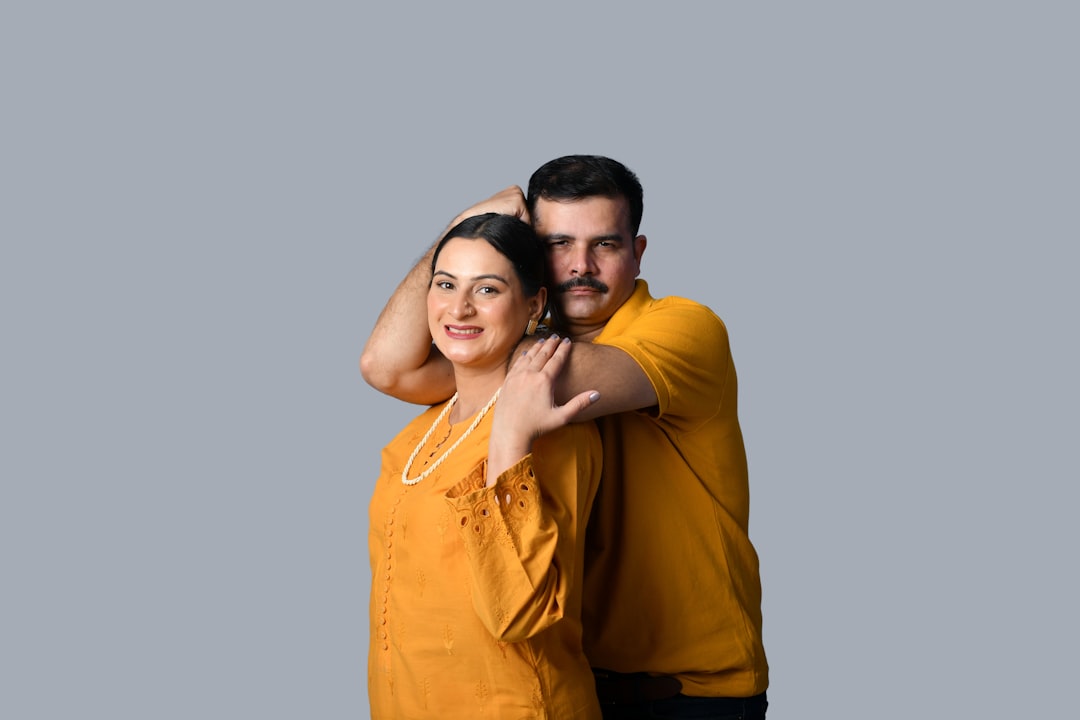
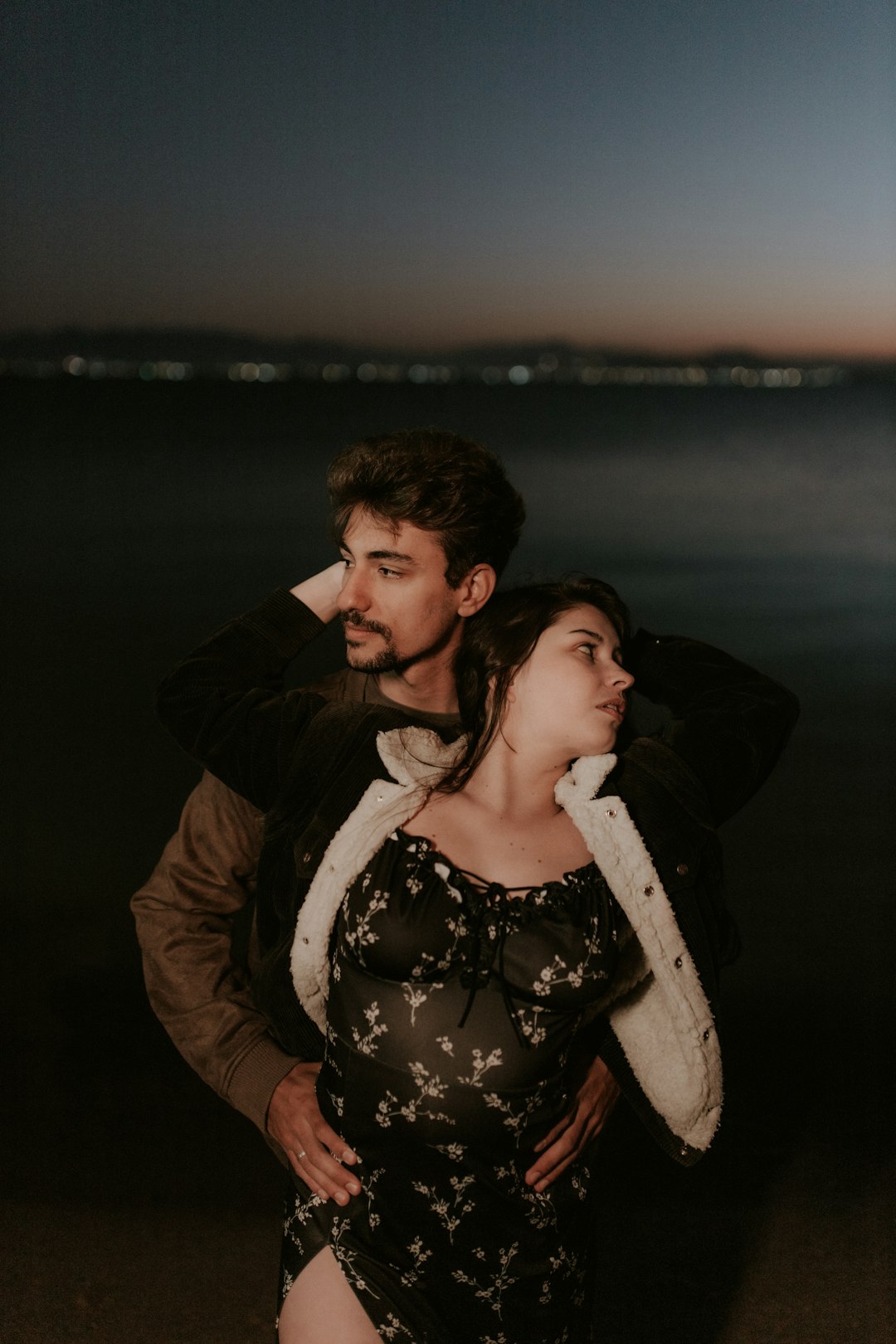
Cumbia is a conversation. Your hands, your frame, even the pressure of your fingertips — that's your vocabulary. Leading isn't about yanking someone into position. It's about suggesting a direction and trusting your partner to follow. And following isn't passive either; you're interpreting signals in real time, adding your own flavor. Try this: dance a whole song holding only one hand. You'll be surprised how much communication happens through a single point of contact.
Let Your Hips Tell the Story
This is where personality enters the picture. Watch any Colombian dancer who grew up with Cumbia, and you'll notice their hips move like they're having their own private conversation with the drum. You don't need to be夸张 about it — small, intentional hip movements on every step make a massive difference. Add a shoulder roll here, a hand flick there. Test different combinations in front of a mirror until something feels like you, not a copy of someone else's routine.
Slow Songs Are Your Secret Weapon
Everyone loves dancing to fast Cumbia tracks. They're electric. But if you only practice at high speed, you're hiding your weak spots behind momentum. Throw on a slow, sensual Cumbia track — the kind that makes the room feel warm — and dance through the whole thing. Every hesitation, every sloppy weight transfer becomes painfully obvious. This is where real improvement lives. Slow practice builds control that carries over to every tempo.
Show Up, Even When You Don't Feel Like It
Workshops and social dances aren't just about learning new moves. They're about being in a room with people who geek out over the same rhythms you do. You'll pick up styling tricks from watching someone across the floor. You'll get feedback from a partner who notices your left shoulder drops during turns. And honestly? Dancing with different people is the fastest way to stop being predictable. Your regular dance partner knows your patterns. A stranger doesn't.
Hit Record, Then Watch Without Cringing (If You Can)
Nobody likes watching themselves dance. Do it anyway. Prop up your phone at the next social, then review the footage the next morning with coffee. You'll catch things no mirror ever showed you — maybe your arms go stiff when you turn, or you lean forward during the side step. Pick one thing to fix. Just one. Film again in two weeks. Compare. Progress becomes visible, and that visibility keeps you motivated when plateaus hit.
The Dance Doesn't Have a Finish Line
Cumbia has been evolving for hundreds of years. It started on the Caribbean coast of Colombia with Indigenous, African, and European rhythms colliding, and it's still changing today — in clubs in Mexico City, at weddings in Los Angeles, in living rooms where someone's tía cranks up the stereo on a Saturday afternoon. You're part of that story now. Keep showing up. Keep listening. And when the music hits right and your body responds before your brain even catches up — that's the moment. Chase that.