The Missing Piece Most Dancers Overlook
I watched a dancer at a Medellín social last year — technically sharp, every step on beat, clean footwork. But something was off. The crowd wasn't drawn in. Then her partner showed up, and within eight bars, the whole room had shifted their attention his way. Same steps. Completely different energy.
That gap between "good" and "magnetic" in Cumbia isn't about learning more moves. It's about how you inhabit the ones you already know.
Stop Moving Your Whole Body at Once
The biggest unlock for intermediate-to-advanced Cumbia dancers? Isolation work. And I don't mean the gym-bro kind.
Picture your hips tracing a lazy figure-eight while your chest stays completely still. Your shoulders pick up a counter-rhythm. Your head tilts slightly, like you're listening to a secret. That's three conversations happening simultaneously in your body — and it's what separates flat, mechanical Cumbia from the kind that makes people stop their own conversations to watch.
Here's a drill that actually works: stand feet shoulder-width apart, hands on your hips. Move only your hips in a slow circle. Not your torso, not your knees — just the pelvis. Sounds simple until you try it and realize how much your body wants to cheat by moving everything together. Once that clicks, layer in a shoulder shimmy. Then a head roll. You're building a vocabulary of independent movement that'll show up in every dance from here on.
The Rhythmic Trick That Changes Everything
Cumbia music hides its complexity behind an inviting groove. The bass line pulls you one way. The accordion tugs another. The gaita player is off doing their own beautiful thing entirely.
Syncopation is where the magic lives — stepping on the "and" beats instead of the obvious ones. Most dancers hear the downbeat and anchor to it. Advanced dancers hear the spaces between beats and play with those gaps. Try this: put on a classic Cumbia track and clap only on beats two and four. Feel how weird it is? Now step on those same beats while letting your upper body sway on one and three. Your body splits into two rhythms. It feels wrong for about ten minutes, then something clicks and you can't unfeel it.
Polyrhythms take this further. Imagine your feet marking a waltz-like three-count while your arms trace a four-beat phrase. Two cycles later, they line up again — but in between, there's this delicious tension that reads as groove to anyone watching.
Partnership Isn't About Who Leads
I've seen couples where the "follower" is clearly the better dancer but gets stuck doing whatever the leader decides. That's not partnership — that's a puppet show.
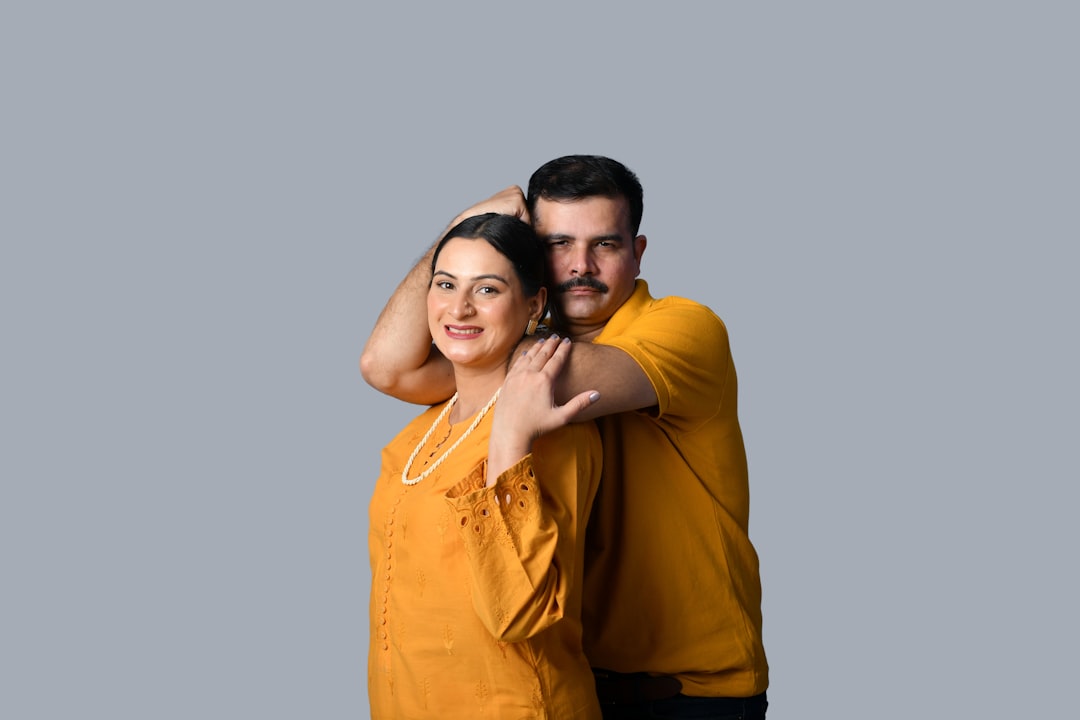
Real Cumbia partnering is a conversation. The lead suggests a direction through a shift in their weight, maybe a gentle press of the palm. The follower doesn't just comply — they respond. Sometimes they embellish. Sometimes they redirect entirely. The best social dancers I've watched treat every song as improvisation, with neither person knowing exactly where it'll go.
If you want to get better at this, stop practicing with the same partner every time. Dance with beginners who'll throw you off balance. Dance with experts who'll challenge your assumptions. Each person teaches your body something different about listening through touch.
Borrowing From Contemporary (Without Losing the Soul)
There's a whole generation of Cumbia dancers now folding in floor work, spirals, and release technique — and it's genuinely exciting when done well. Dropping to the floor during a break in the music, rolling through the spine as the accordion builds, using gravity as a dance partner instead of fighting it.
The key word is "borrowing," not "replacing." Cumbia's roots run deep into Afro-Colombian and Indigenous traditions. When you add contemporary elements, they should amplify the music's emotional weight, not distract from it. A slow, controlled descent during a haunting gaita passage hits differently than random floor work dropped in because it looks cool.
Experiment with texture. Cumbia has natural moments of suspension — use them. Let a note hang while your body coils. Release into the next phrase like a spring. Contrast sharp, percussive hits with long, liquid recoveries. That push-pull is what keeps eyes glued to you.
The Part Nobody Practices
Here's the uncomfortable truth: you can nail every technique above and still be forgettable. Because the thing that makes a Cumbia dancer truly great isn't technical — it's emotional honesty.
Watch old footage of dancers in Barranquilla during carnival. They're not thinking about isolation or syncopation. They're feeling something, and their bodies are translating that feeling into movement. Joy, longing, mischief, defiance — the music gives you permission to express all of it.
Spend time with the history. Learn why Cumbia emerged from the collision of African, Indigenous, and Spanish cultures on Colombia's coast. Understand that every step carries centuries of resilience and celebration. Then forget all of that when you dance and just let the music talk.
The dancers people remember aren't the most precise. They're the most present.
---
Ready to take your Cumbia beyond the basics? Start with one drill from this article and commit to it for two weeks. You'll hear the difference before you see it.