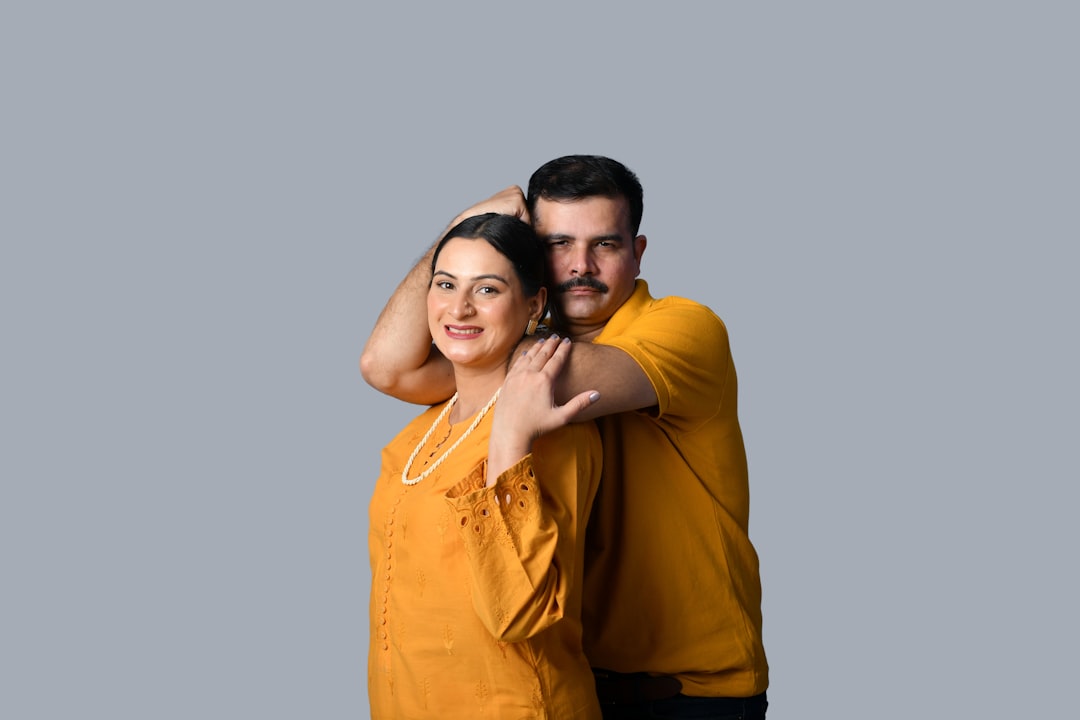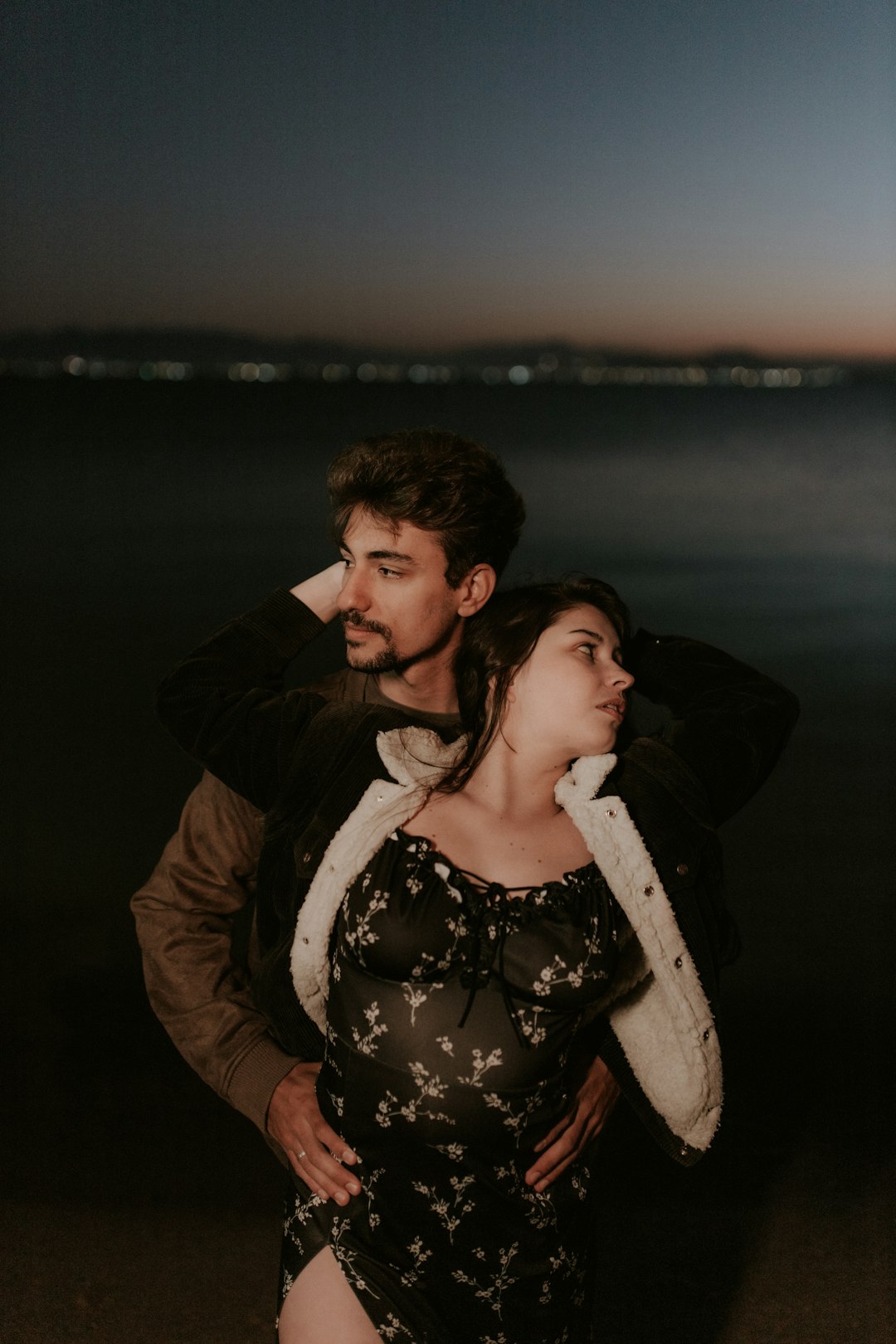
I remember watching a couple at a salsa night in Medellín who barely moved their feet. They weren't flashy. No wild spins, no acrobatic dips. But every single person in the room stopped to watch them. Their hips told the whole story — fluid, effortless, locked into the accordion like they were born inside the song.
That's the thing about Cumbia. It doesn't reward showoffs. It rewards people who listen.
Stop Thinking About Your Feet
Here's a weird piece of advice: forget your feet for a while. The basic step — that step-tap-step pattern — is honestly the easy part. You can learn it in five minutes. What takes years is learning to let your hips carry the conversation.
Try this next time you practice. Put on a classic track like "Cumbia Sobre el Rio" by Celso Piña and just stand still. Close your eyes. Let your hips start moving on their own before you take a single step. The moment your body starts responding to the güiro and the drums before your brain starts counting, you've crossed a threshold most beginners never reach.
The Music Isn't Background — It's Your Dance Partner
Professional Cumbia dancers don't hear a song and think "okay, time to do my routine." They hear a trumpet hit and their shoulder dips. They catch a conga roll and their weight shifts. The music isn't something they dance to. It's something they dance inside of.
Pick three Cumbia tracks from completely different eras and regions. Maybe a vintage Colombian Cumbia from the 1960s, a modern Mexican Cumbia Sonidera, and an Argentine Cumbia Villera. Notice how each one pulls different movements out of you. The vintage track wants slow, grounded hips. The Sonidera track begs for playful footwork. The Villera has an edge that makes you want to move sharp and low. A real dancer adapts to all of them.
Partnership Is Not Choreography
I've seen couples who practice set sequences for hours and still look mechanical on the dance floor. Then I've seen couples who've never rehearsed together light up an entire venue. The difference? Communication.
The lead's job isn't to drag their partner through steps. It's to whisper suggestions through their hands and frame. A slight pressure change on the follower's back says "turn now" without a single word. The follower's job isn't to guess what's next — it's to respond honestly to what they feel.
A drill that actually works: dance an entire song with your eyes closed. Lead and follow both. You'll be clumsy at first. But within a few songs, you'll start feeling each other's weight shifts instead of watching for visual cues. That's when the magic kicks in.
Your Style Isn't in a Tutorial
Every serious Cumbia dancer I've talked to has the same origin story. They learned the basics from someone — a parent, a friend, a class. Then they spent months imitating people they admired. And then, one night, they did something that wasn't copied from anyone. A hand gesture, a pause, a way of dropping into the beat half a second late. That became theirs.
Don't rush this process. But don't suppress it either. When your body wants to add a little arm sweep between steps, let it. When you feel like pausing for half a beat to let the music breathe, do it. The basic structure keeps you grounded. Your instincts make you interesting.
Classes Help. But Social Dancing Heals.
Workshops teach you technique. They're valuable. But the real growth happens on a crowded dance floor at 11pm where you have to adapt to three different partners in ten minutes, each one with a different style, a different height, a different energy. That chaos is where your Cumbia becomes resilient.
If you only practice in your living room, you'll dance well in your living room. Get out. Dance with strangers. Dance badly sometimes. Every awkward moment on a social floor teaches you something a mirror never will.
The Part Nobody Talks About
There's a Colombian saying: "Cumbia se baila con el corazón." Cumbia is danced with the heart. It sounds like a cliché until you've experienced it. You'll have nights where every step feels mechanical and forced. Then one night, a song you've heard a hundred times hits different, and your body just knows. You stop thinking. You stop performing. You just move.
That's not something you can practice. But you can make room for it by showing up, staying loose, and remembering why you started dancing in the first place — because it feels incredible.