A single search for "flamenco costume" returns thousands of ruffled skirts, embroidered bodices, and dramatic trains—but which of these elements actually help your dance? Whether you're preparing for your first class or your fiftieth performance, the right flamenco dancewear transforms how you move, feel, and connect with this passionate art form. This guide cuts through the overwhelm with specific, dancer-tested advice for finding costume pieces that work as hard as you do.
Understanding Flamenco Costume Types
Flamenco dancewear spans a spectrum from daily practice to theatrical spectacle. Knowing which type suits your needs prevents costly mistakes and wardrobe malfunctions.
Traje de Flamenco
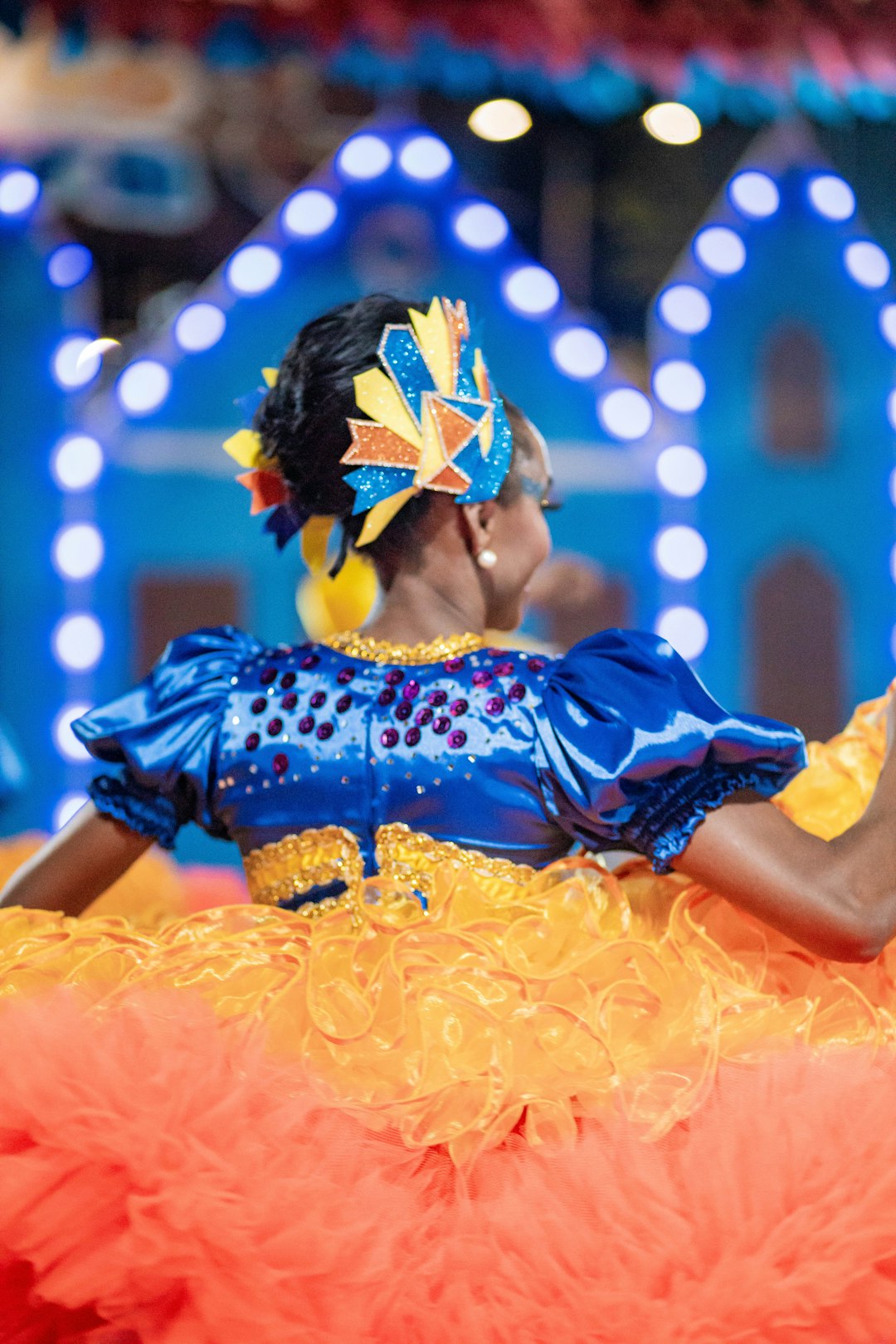
The iconic silhouette most people picture: fitted bodice, layered skirt with ruffles (volantes), and matching frilled shawl (mantón). Traditional versions feature polka dots (lunares) in red, black, or white on crepe or sateen, with intricate embroidery at the neckline and hem. Modern interpretations streamline the silhouette or experiment with asymmetrical ruffle placement. This costume suits formal performances and feria celebrations.
Bata de Cola
The most dramatic variant features a long, train-like tail attached to the skirt—sometimes extending 1.5 meters or more. The tail's weight and fabric density determine how it responds to your movement: heavier crepe tails create slow, majestic waves, while lighter synthetics snap faster but tangle more easily. Reserved for advanced dancers in competitions and theatrical performances, this costume demands significant core strength and spatial awareness.
Traje de Gitana
A shorter, less structured alternative for fiestas, juergas (informal flamenco gatherings), and community events. Skirts typically fall below the knee rather than to the ankle, with fewer ruffles and simpler bodice construction. This style prioritizes freedom of movement and social dancing over visual spectacle.
Practice Wear
Serious dancers spend more hours in practice clothes than performance costumes. Essential pieces include:
- Wrap skirts (faldas de entrenamiento) in lightweight crepe, allowing quick length adjustment and visibility of footwork
- Fitted leotards or camisoles that stay put during turns
- Flamenco pants with wide legs for bata de cola technique work without the tail's weight
Men's Flamenco Wear
Often overlooked in guides, men's costumes include fitted long-sleeve shirts, structured vests (chalecos), high-waisted trousers, and occasionally the traje corto (short jacket) for regional variations. Fabric choice matters equally—stiff cottons and wool blends maintain crisp lines during sharp movements.
How to Choose Flamenco Dancewear That Works for Your Body and Dance
Generic dancewear advice fails flamenco dancers. These specifics separate functional costumes from beautiful frustrations.
Comfort: Fabrics Engineered for Intensity
Flamenco generates serious body heat through sustained footwork and core engagement. Crepe and sateen remain standards for good reason: they offer structured drape that responds to hip movement while allowing airflow. Silk breathes beautifully but stains permanently with sweat; reserve it for short performances. Synthetic blends with 5-10% spandex accommodate the arm positions (brazos) that pure woven fabrics restrict.
For bata de cola, comfort extends to tail management. The tail's weight distribution matters as much as breathability—test whether you can lift and redirect it smoothly without lower back strain. A tail that looks magnificent but exhausts you by the second alegrías verse diminishes your performance.
Fit: Measurements That Move With You
| Garment Element | Specific Fit Requirement | Why It Matters |
|---|---|---|
| Skirt hem | Clears floor by 2-3 cm in performance heels | Prevents tripping while maintaining line |
| Bodice | Permits full arm extension without shoulder restriction | Brazos positions require overhead reach |
| Waistband | Sits at natural waist, secure during deep plie-like bends | Prevents costume shift during zapateado |
| Bata de cola length | Measured with your specific heel height | Too long creates drag; too short looks truncated |
| Sleeve length | Allows wrist visibility for hand movement emphasis | Critical for floreo (hand flourishes) |
Always try costumes with your performance undergarments and practice shoes. A bodice that fits perfectly over a sports bra may gap over a performance corset.
Style: Aligning Aesthetic With Purpose
Your costume communicates before you take your first step. Consider:
Traditional vs. contemporary: Classic polka dots and ruffled shawls signal respect for escuela (school) tradition