Flamenco is more than dance—it is a living tradition born in Andalusia's crucible of Romani, Moorish, and Spanish cultures. Every element of the costume carries centuries of history, from the swirling bata de cola that demands mastery to the precise clavo placement in a dancer's shoes that transforms footwork into percussion. Whether you are stepping into your first sevillanas class or preparing for a theatrical soleá, understanding these garments as cultural artifacts and functional tools will elevate your performance.
This guide serves students, semi-professionals, and company dancers alike—offering practical selection criteria, cultural context, and expert care advice for these significant investments.
Understanding Flamenco Costume Traditions
Before selecting individual pieces, recognize that flamenco attire evolved alongside its palos (musical forms). The mournful siguiriya demands different visual language than the festive alegrías. Traditional costumes emphasize the dancer's relationship to rhythm and space: the bata de cola (long-trained dress) creates sweeping visual arcs that extend the body's movement, while the vestido corto (knee-length dress) permits rapid zapateado footwork and tight turns.
Contemporary flamenco has embraced innovation—pants, asymmetrical cuts, and minimalist aesthetics now share stages with classical silhouettes. Your choice between traditional and modern should serve your palo, venue, and artistic voice.
1. The Dress: Bata de Cola, Vestido Corto, and Everything Between
The Bata de Cola: Mastery in Motion
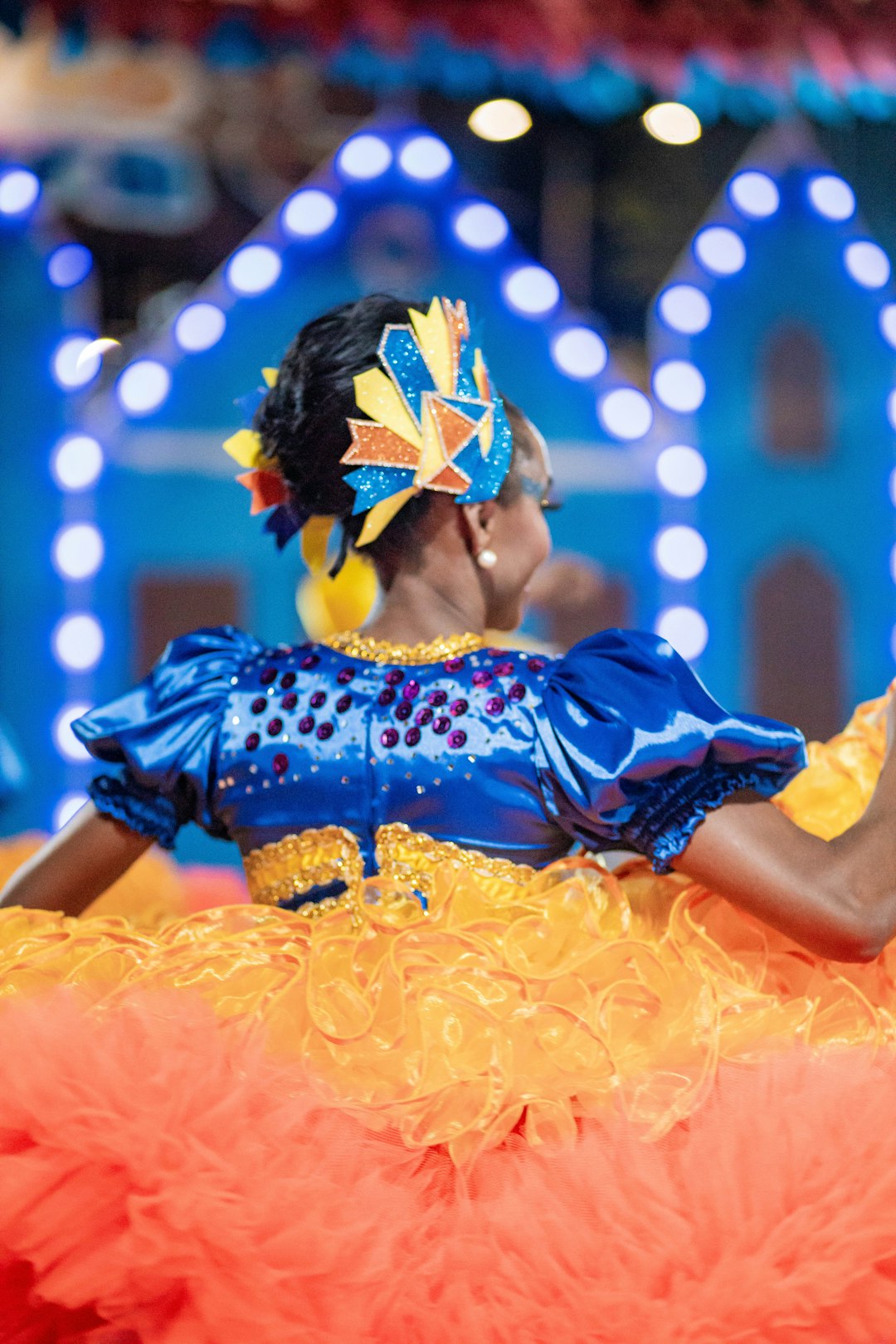
The bata de cola represents flamenco's most dramatic silhouette. With trains extending 1.5 to 3 meters, these dresses feature:
- Multiple volantes (flounces): Typically 3–6 graduated ruffles cascading from hip to hem, each requiring precise proportion to maintain movement without overwhelming the dancer
- Farfala construction: The structured ruffle style that creates signature "flower" shapes when the train arcs through the air
- Weight distribution: Heavier cotton-polyester blends for training; silk or high-quality synthetics for performance
When to choose it: Theatrical productions, soleá, bulerías por soleá, and any performance where space permits full bata technique—coiling, throwing, and dragging the train as rhythmic counterpoint.
The Vestido Corto and Variations
Shorter dresses (knee to mid-calf) dominate alegrías, bulerías, and tangos—forms emphasizing quick footwork and playful braceo. Modern alternatives include:
| Style | Characteristics | Best For |
|---|---|---|
| Vestido de flamenca (traditional) | Fitted bodice, circular skirt with volantes, often with mantón integration | Festivals, ferias, classical repertoire |
| Traje de gitana (two-piece) | Separate bodice and skirt; historically working-class origin | Tangos, rumba, character-driven pieces |
| Contemporary fusion | Asymmetrical hems, pants, deconstructed silhouettes | Experimental choreography, interdisciplinary work |
Selection Criteria
Fit and Function Your dress must accommodate braceo—the expansive arm movements that frame the torso. Test by raising arms fully overhead and extending horizontally; the bodice should remain secure without shifting. For zapateado, ensure you can achieve deep knee bends without waistband restriction.
Length Proportions
- Bata de cola: Hem should brush the floor when standing; train length proportional to your height and the venues you frequent
- Vestido corto: Typically 5–10 cm above the knee for optimal leg line visibility
Color and Pattern Flamenco's palette speaks in saturated, unapologetic hues:
- Rojo de España: The iconic blood-orange red associated with passion and feria tradition
- Coral, emerald, saffron: Contemporary favorites that photograph brilliantly under stage lights
- Lunares (polka dots): The quintessential pattern, with larger dots for bold statements, smaller for delicacy
- Large-scale florals and geometric borders: Derived from mantón de Manila motifs
Select tones that complement your skin's undertones and consider your performance lighting—warm incandescents deepen reds; LEDs can flatten certain oranges.
2. Accessories: Completing the Visual Symphony
The Mantón de Manila: Centerpiece Accessory
No flamenco accessory carries more cultural weight than the mantón de Manila—the embroidered silk shawl introduced through