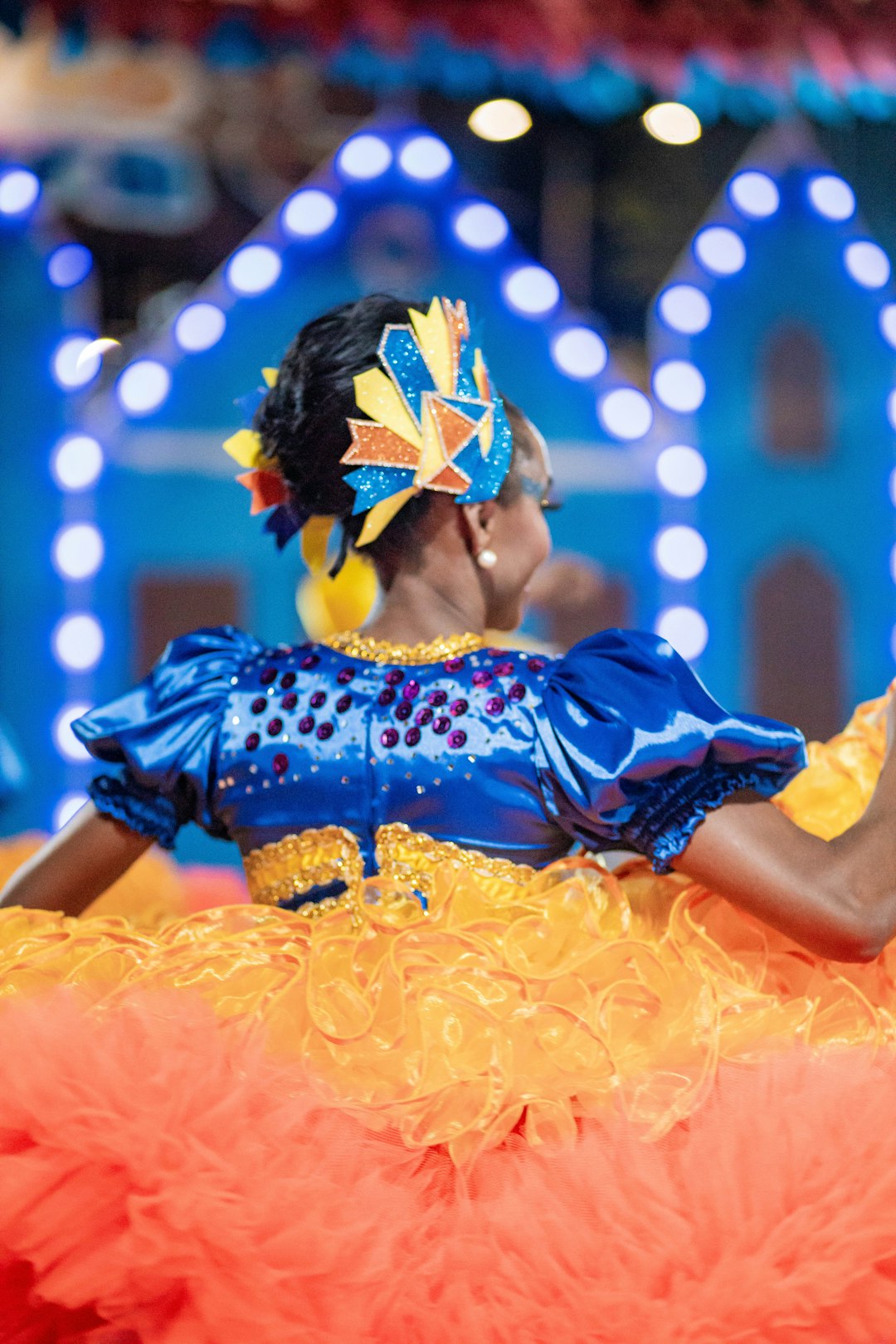
The traje de flamenca does more than clothe the dancer—it announces her presence before she moves. In the tablaos of Seville and the ferias of Andalusia, the dress is itself a percussion instrument, its ruffled train snapping like a whip, its polka dots catching the light with each turn.
Whether you're a beginner investing in your first practice skirt, a performer preparing for the stage, or a cultural enthusiast attending your first peña, understanding Flamenco attire requires more than a shopping list. It demands appreciation for centuries of Andalusian tradition, Roma (Gitano) influence, and the technical demands of a dance form where your clothing must work as hard as your feet.
Understanding the Traje de Flamenca: Anatomy of a Traditional Dress
The traditional Flamenco dress is a masterclass in engineered movement. Unlike ballroom gowns designed for floating, the traje de flamenca is built for percussive precision.
Fabric and Construction
Traditional dresses use poplin, polyester-cotton blends, or silk faille—fabrics substantial enough to hold structure through rapid turns yet responsive enough to accentuate hip movements. Avoid lightweight cottons that cling and synthetic satins that generate static electricity.
The bodice features a high, often boned neckline with short sleeves (mangas) that end precisely at mid-shoulder, allowing full arm extension without fabric interference. Seams are strategically placed to accommodate the aggressive shoulder movements (braceos) central to Flamenco technique.
The Bata de Cola: A Skirt with Its Own Technique
No element of Flamenco attire intimidates newcomers like the bata de cola—the long, ruffled train extending 1.5 to 3 meters behind the dancer. A professional bata weighs 15 to 25 pounds and requires dedicated training to manipulate. Dancers learn to:
- Zarandear (shake): Create rhythmic waves through the train using heel vibrations
- Bordar (embroider): Trace circular patterns on the floor without tangling
- Lanzar (throw): Snap the train outward with precise hip timing
Beginners should start with practice skirts featuring detachable trains before investing in performance-quality batas.
Volantes and Lunares: The Language of Ruffles and Dots
Volantes (ruffles) follow strict conventions: traditionally arranged in odd numbers (three, five, or seven tiers) with graduated sizing from waist to hem. Each ruffle requires 2-3 times the fabric width of the layer beneath, creating the voluminous silhouette essential for vuelta (turn) aesthetics.
Lunares (polka dots) carry symbolic weight. Large dots (grandes) project confidence and are favored for festive alegrías; small dots (pequeños) suggest refinement for solemn soleás. Solid black dominates cante jondo (deep song) performances, while red, white, and bright colors signal celebration.
The Mantón de Manila: More Than Accessory
The embroidered silk shawl (mantón de Manila) transforms from decorative wrap to dynamic prop. Authentic pieces measure 140cm x 140cm with 30cm fringe that creates audible rhythm when manipulated.
Performance techniques include:
- Mantonéo: Rapid, circular arm movements that make the shawl bloom like a flower
- Arrastre: Dragging fringe across the floor for textural sound
- Cobertura: Brief coverage of the face to signal emotional transition
For practice, synthetic alternatives ($50-$150) suffice; performance-quality silk mantones range from $300 to $2,000 depending on embroidery density and age.
Modern Flamenco Fashion: Evolution and Controversy
Contemporary Flamenco attire exists on a spectrum from respectful innovation to controversial fusion. Understanding this landscape helps you navigate performance contexts and community expectations.
The Neo-Flamenco Movement
Designers like Vicky Martín Berrocal and Rocío Peralta have reimagined the traje with:
- Asymmetrical hemlines (midi-length with train variations)
- Separates: Fitted corpiños (bodices) paired with wide-legged pantalones or structured skirts
- Technical fabrics: Moisture-wicking blends for outdoor festival performances
These adaptations serve practical needs—shorter hemlines accommodate smaller stages; separates allow mix-and-match versatility—but purists argue they dilute cultural authenticity. Research your venue's expectations before selecting modern interpretations.
Practice Wear vs. Performance Wear
| Purpose | Characteristics | Budget