
In 2010, when UNESCO declared Flamenco Intangible Cultural Heritage of Humanity, millions watched the televised ceremony from Seville's Teatro de la Maestranza. Few viewers recognized the profound irony: just two centuries earlier, Spanish authorities had banned Romani people from wearing traditional dress, speaking Caló, or performing the very art form now celebrated as national treasure. This transformation—from persecuted ritual to global phenomenon—reveals Flamenco as perhaps history's most unlikely cultural survivor, an art forged in oppression that demanded the world recognize its genius.
Origins: The Sound of Exile
Flamenco emerged from the triangular collision of Byzantine liturgical chant, Moorish muwashshah poetry, and Romani musical migration from Rajasthan. When the Romani people arrived in Andalusia during the 15th century, they carried ancestral memory in their bodies: the rhythmic complexity of Indian classical dance, the microtonal vocal ornamentation of the Punjab, and a tradition of improvised lament that would evolve into cante jondo—the "deep song" that remains Flamenco's spiritual core.
The art form crystallized in the margins. In corralas—communal Romani courtyards in Seville, Jerez, and Cádiz—three inseparable elements fused: the cante (song), the baile (dance), and the toque (guitar playing). The compás, Flamenco's distinctive 12-beat rhythmic cycle, organized experience into structured feeling. Each palo—whether the solemn siguiriya, the festive alegrías, or the despairing soleá—became a container for specific emotional states, what practitioners would later call duende: the raw, almost spiritual intensity that distinguishes Flamenco from other European folk traditions.
This was never "fusion" as passive mixture. The Romani created Flamenco through deliberate synthesis, adapting Andalusian musical materials to their own expressive needs while preserving cultural memory across generations of displacement.
The Golden Age: From Courtyards to Cafés
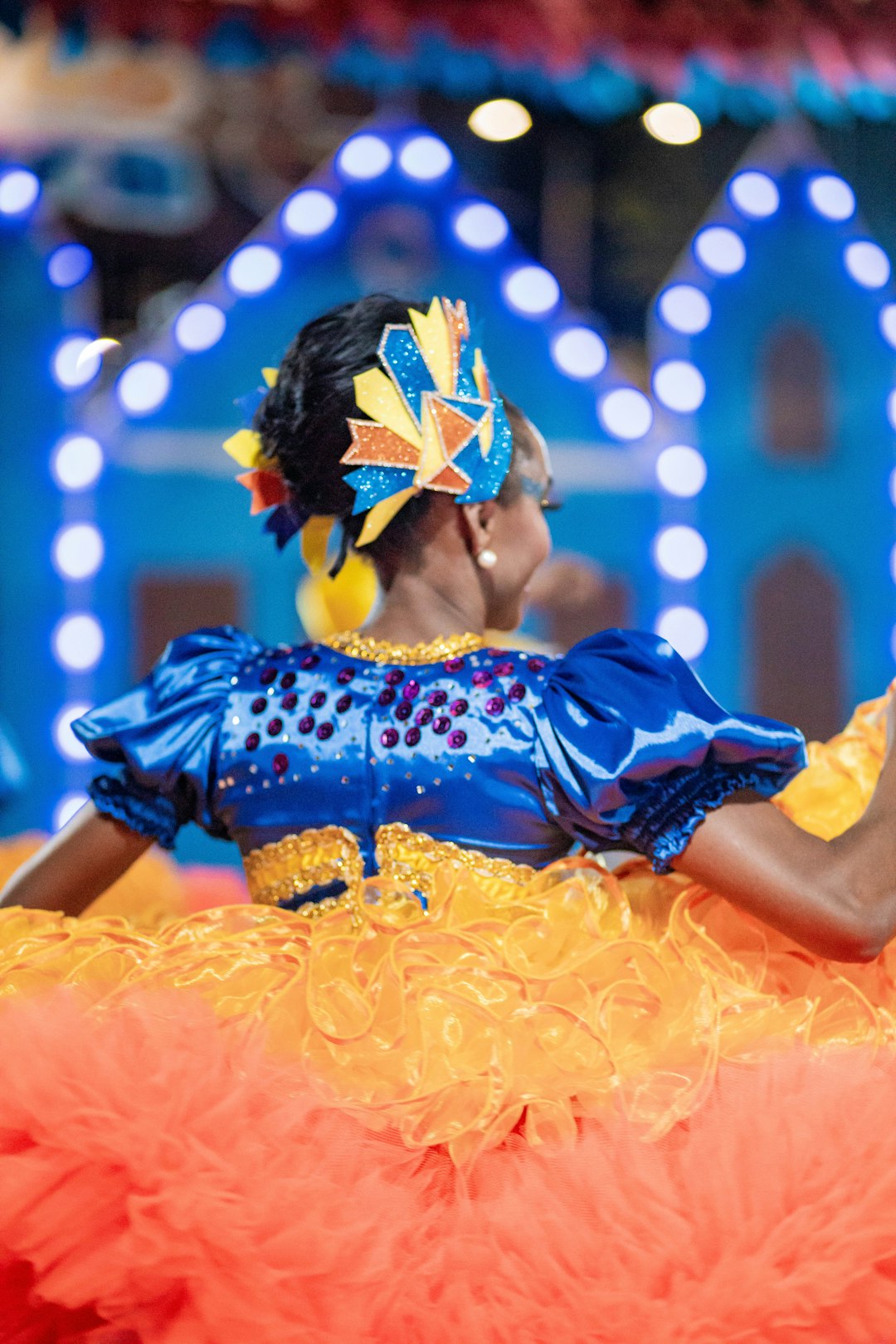
The 19th century transformed Flamenco through violence and opportunity. Industrialization shattered traditional Andalusian society; rural laborers flooded cities, bringing their music with them. The bourgeoisie, seeking exotic entertainment, became unlikely patrons. In 1847, Silverio Franconetti—a Romani singer of legendary power—opened Seville's first Café Cantante, inventing the modern Flamenco spectacle.
Franconetti established the cante as dominant, his volcanic voice demonstrating what duende could achieve in trained hands. Dancers responded by developing more spectacular technique. El Estampío and his rivals turned footwork into percursive art, their heels striking floorboards with the precision of drum kits. The guitar evolved from simple accompaniment to complex counterpoint, as luthiers developed the deeper-bodied instrument capable of rivaling voices in volume and emotional weight.
This commercialization created tensions that persist today. Purists mourned the loss of intimate juergas—spontaneous gatherings where amateurs and professionals dissolved boundaries between performer and participant. Yet the Golden Age preserved Flamenco from oblivion, creating the repertoire and stylistic branches that define the art: the Cádiz school of alegrías, the Jerez tradition of bulerías, the Granadan granainas.
Survival and Betrayal: The Franco Years
No history of Flamenco can omit the dictatorship of Francisco Franco (1939–1975), which imposed a paradox that nearly destroyed the art it claimed to champion. Francoist ideology promoted Flamenco as essential "Spanish" heritage while systematically suppressing the Romani people who created it. Romani neighborhoods were demolished; Caló was forbidden; the duende that emerged from specifically Romani experience was repackaged as generic national character.
Flamenco survived through coded resistance. In tablaos—the tourist venues that replaced cafés cantantes—performers maintained technical standards while smuggling subversive content past censors. The sevillanas, officially promoted as wholesome folk dance, became vehicles for regionalist sentiment. Most crucially, the art form persisted in private, in kitchens and weddings where authorities couldn't penetrate, the transmission of knowledge becoming itself an act of cultural survival.
Revolution and Controversy: The Modern Era
The democratic transition unleashed explosive creativity. Paco de Lucía, born Francisco Sánchez Gómez in Algeciras, revolutionized the toque by incorporating jazz harmony, Afro-Cuban percussion, and eventually the cajón—the Peruvian box drum













보고 있었어요. 그래서 정보 더 있을까요?
가격 차이가 생각보다 크네요. 참고하겠습니다.
화이팅입니다, 고맙습니다.
https://anuntescu.ro/index.php?page=user&action=pub_profile&id=224172
허브렐라2.0
슈퍼카마그라 (anuntescu.ro)
정보 알아보던 중인데 자료가 잘 없더라고요.
내용 알차네요 무엇보다 후기 모음 자세히
알고 싶어요. 유익하게 봤어요 감사합니다~
https://nogravityrecruiting.com/messageboard/member.php?action=viewpro&member=AnjaSchran
lanyamall
라냐몰
올려주세요 잘 봤습니다.
https://linfree.net/
프리서버
리니지 프리서버
유로파리그무료중계
국내리그중계
매우 다르다고 할 수 있는데, 거의 대다수의 유흥업소에서 하는 모든 일을 통틀어 밤알바라고 합니다.
여기 하나면 충분해요 너무 좋아요
배구중계
스포츠시청
the views of all mates concerning this piece of writing, while I am also eager of getting familiarity.
빠르게 돈을 벌 수 있는 업종입니다.
blogs on the web. I will highly recommend this site!
전달해야 한다.
등급에 따라 다릅니다.
가라오케클럽
유흥찾기
인종차별이 아직은 존재한다는 생각에 씁쓸하기도
한...
He was totally right. This post actually made my day. You can not imagine simply how much time I
had spent for this information! Thanks!
대구주점추천
동성로노래방
조합해 후보를 빨리 좁힙니다.
재정 상황을 유지할 수 있습니다.
있으며, 밤알바를 할 수 있는 유흥업소도 남성들을 위한 공간과 장소보다 굉장히 높습니다.
which i am going to deliver in college.
I'm new to the blog world but I'm trying to get started and create my own.
Do you need any coding knowledge to make your own blog?
Any help would be really appreciated!
next ѡrite ups thаnks once again.
수는 없습니다.
Carlsbad, ϹA 92008, United Stɑtes
+18587536197
buy a franchise or real estate
스포츠중계
안전한중계
What host are you using? Can I am getting your affiliate hyperlink in your host?
I desire my website loaded up as fast as yours lol
https://www.coody.com.au/
https://www.coody.com.au/
https://www.coody.com.au
be a part 2?