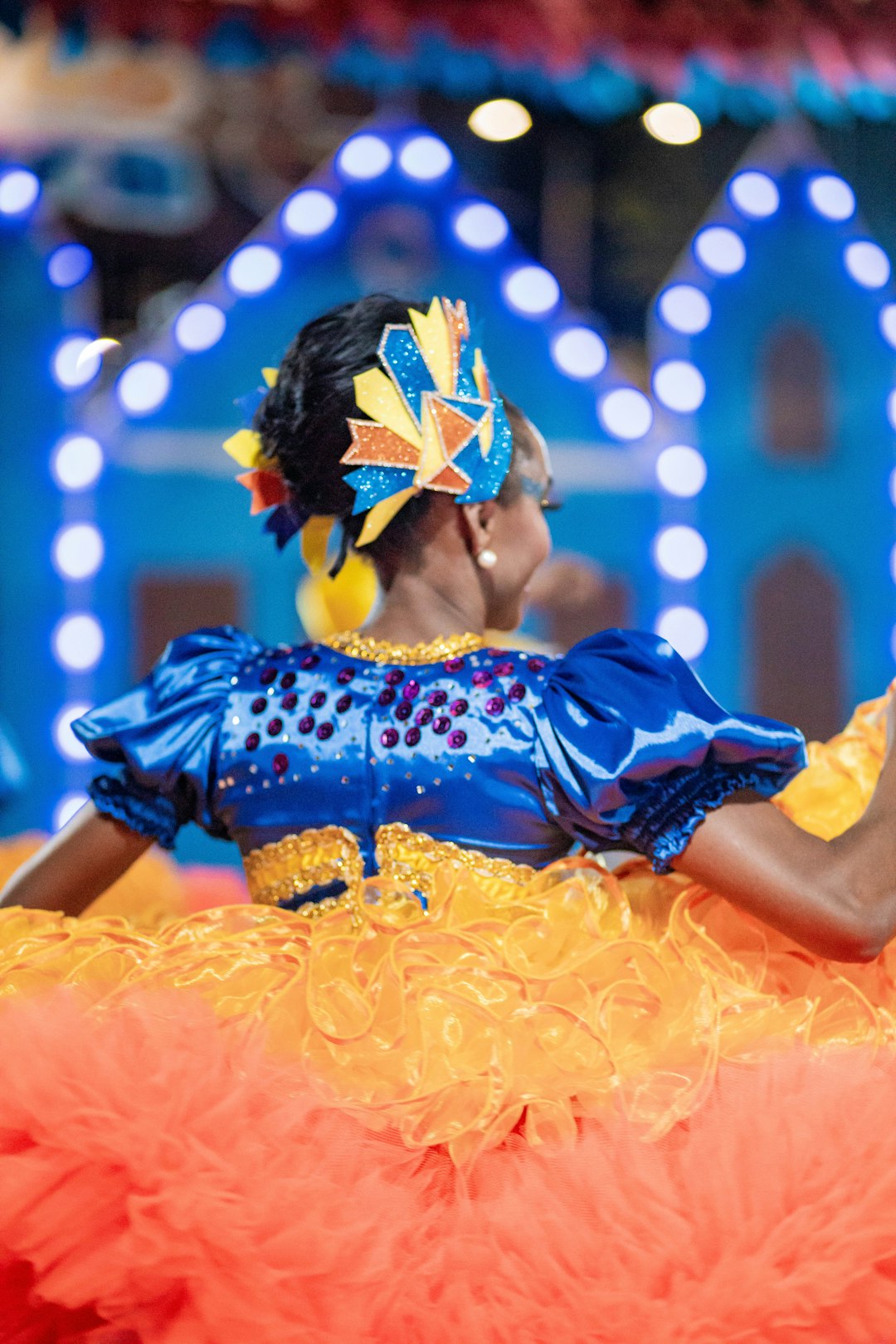
Flamenco costume (traje de flamenca) carries as much expressive weight as the dance itself — from the bata de cola's sweeping train to the percussive precision of zapatos flamencos. Whether you're preparing for your first class or your first tablao performance, understanding how attire shapes movement separates authentic Flamenco from costume-party approximation.
This guide covers everything you need to know about choosing Flamenco dance clothes, with specific recommendations for skill level, performance context, and budget.
Understanding the Flamenco Silhouette
Before selecting individual pieces, recognize that Flamenco costume creates a distinct body line: elongated torso, emphasized hip movement, and dramatic skirt volume. The traditional traje de flamenca consists of a fitted bodice, flared skirt (with or without train), and structured undergarments that create the characteristic silhouette.
Practice wear prioritizes durability and movement freedom. Performance costume demands light reflection, precise drape, and cultural authenticity. Your needs differ dramatically depending on which context you're dressing for.
Choosing the Right Fabric
Fabric selection in Flamenco is movement-specific. What works for a slow, expressive bulería may fail during rapid escobilla footwork or bata de cola manipulation.
| Use Case | Recommended Fabric | Why It Works |
|---|---|---|
| Beginner practice | Cotton-lycra blend or malha (dance knit) | Durability, moisture management, forgiving fit during technique development |
| Intermediate/Advanced practice | Punto de seda or heavy lycra | Weight for movement clarity, professional drape without full costume investment |
| Performance | Raso (polyester satin), silk crepe, or bordado (embroidered) | Light reflection, traditional silhouette, precise bata de cola control |
The Movement Test: Before purchasing, perform a deep desplante (lunge) and rapid vuelta (turn). If the fabric catches, bunches, or restricts hip rotation, it will fail when you need it most.
Note: Pure cotton, while breathable, lacks the weight and drape professional Flamenco demands. Synthetic blends with lycra often outperform natural fibers for high-exertion practice, wicking moisture more effectively during intense footwork sequences.
Selecting Colors with Intention
Flamenco color traditions carry symbolic weight beyond personal preference:
| Color | Traditional Association | Best For |
|---|---|---|
| Red (rojo) | Passion, alegrías, celebration | High-energy performances, festive occasions |
| Black (negro) | Solemnity, siguiriyas, bulerías depth | Serious pieces, traditional tablao settings |
| White (blanco) | Purity, sevillanas, festival tradition | Outdoor performances, Feria de Abril events |
| Navy/Burgundy | Modern versatility | Multi-purpose costumes spanning palos |
Contemporary Flamenco embraces polka dots (lunares), which originated in the 19th-century feria tradition. Large dots create visual movement; small dots read as texture. Solid colors emphasize line; patterns emphasize skirt dynamics.
Achieving the Correct Fit
A well-fitting Flamenco outfit must accommodate three technical demands: deep knee bends (plie-like stances), rapid rotational turns (vueltas), and — for advanced dancers — bata de cola manipulation requiring precise hip control.
Bodice: Should fit snugly without restricting arm movement for braceo (arm work). Boning or structured seaming maintains shape during active dancing.
Skirt: Waistband sits at the natural waist, not hips. Length varies by style: above-ankle for bata de cola work, floor-length for traditional traje de flamenca.
The Sizing Rule: When uncertain, size up rather than down. A competent seamstress can take in excess fabric; too-tight construction restricts the very movements that define Flamenco expression.
Essential Undergarments: The Foundation of Volume
No discussion of Flamenco attire is complete without enaguas — structured petticoats that create skirt volume and movement. These are not optional accessories but functional equipment.
- Beginner: 1-2 tier cotton or synthetic petticoat
- Performance: 3-5 tier enaguas with hoop or boning for maximum volume
- Bata de cola: Specialized trained petticoat with weighted hem for train control
Without proper *