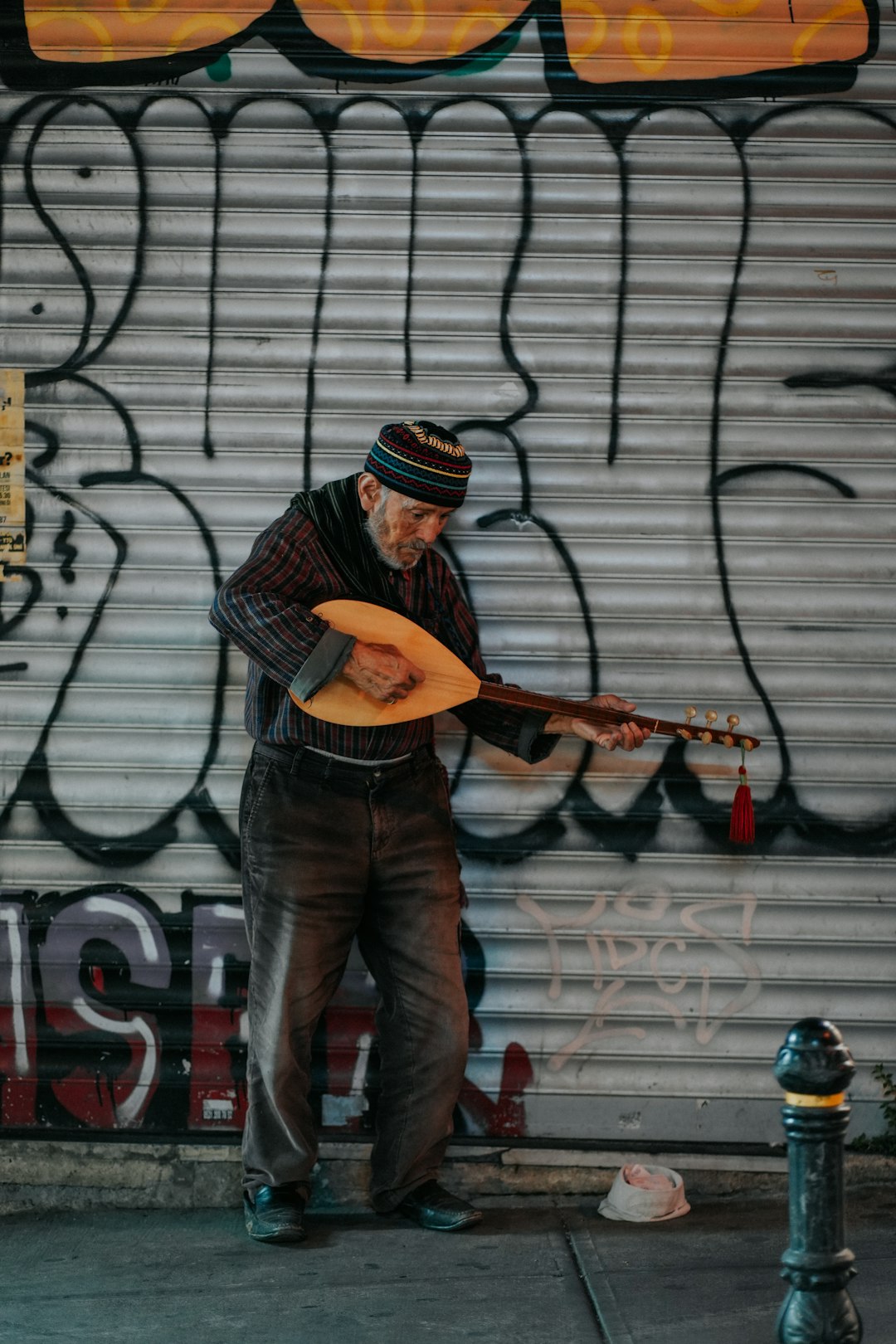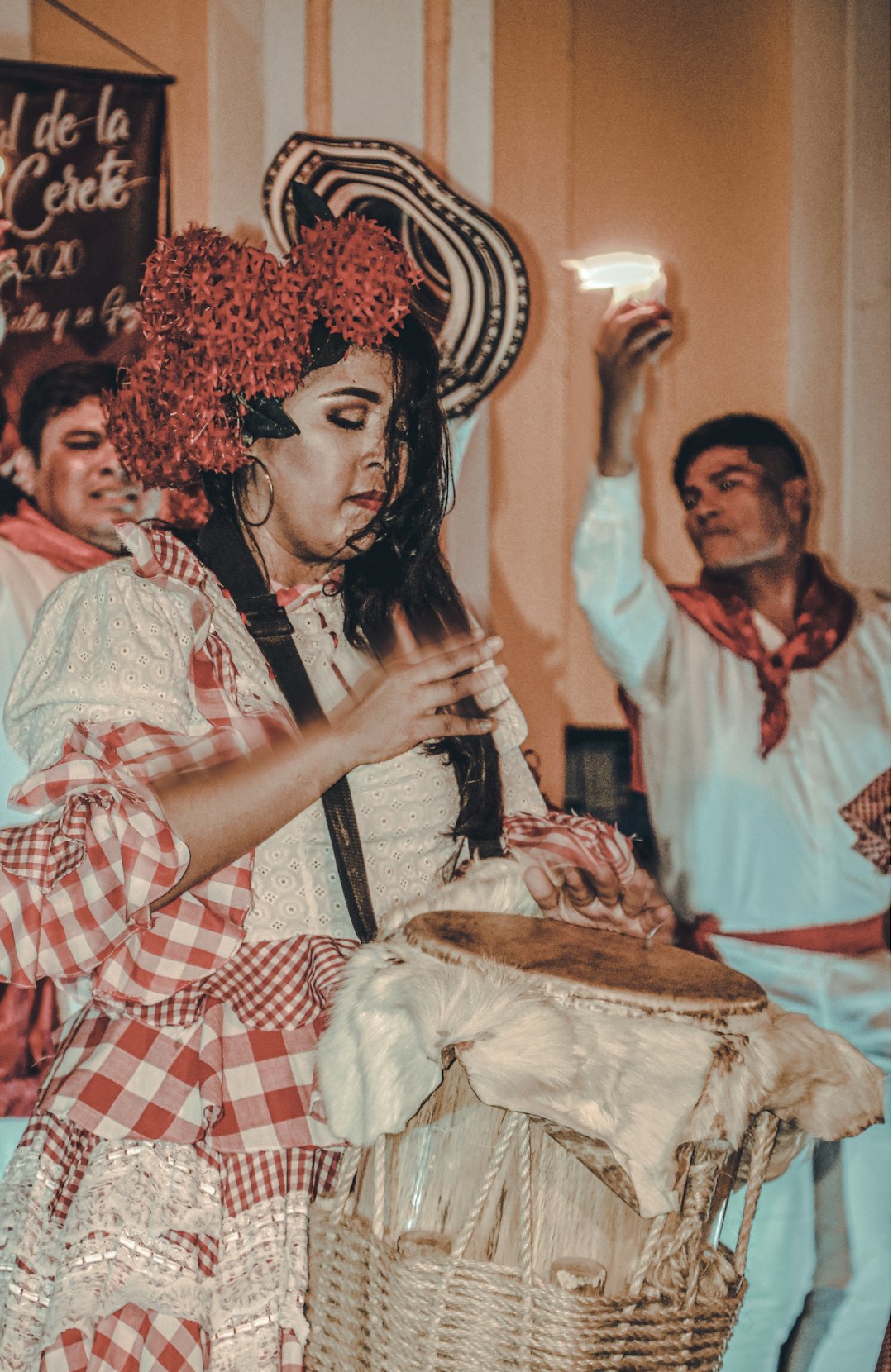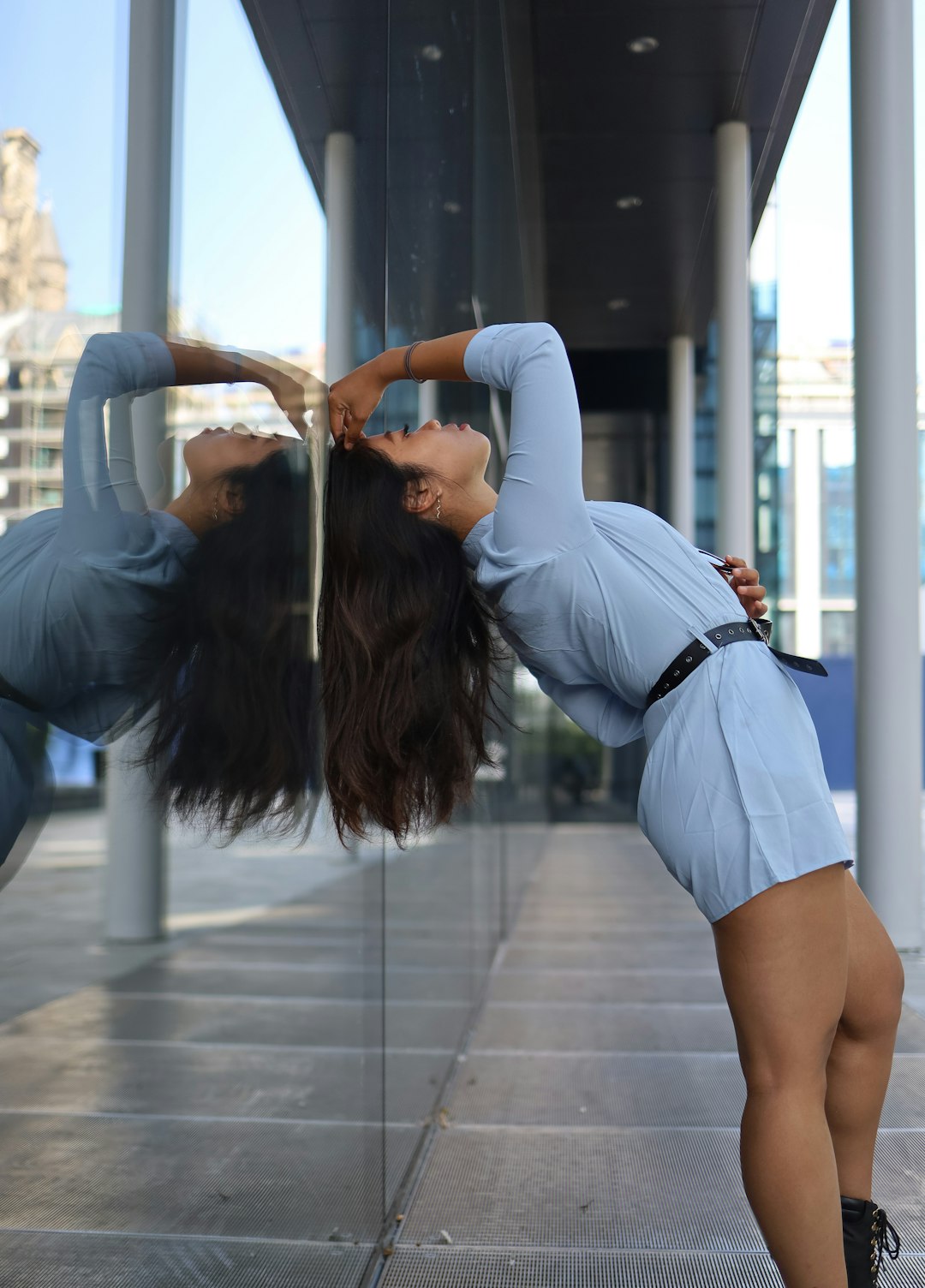
The saxophone hits its break, and Maria Chen, 73, launches into a swingout with a partner forty years her junior. Neither has met before tonight. Neither knows the other's profession, politics, or postcode. But for three minutes, they share a vocabulary of triple-steps, turns, and improvisation that transcends every difference. This is the hidden architecture of swing dance: a social ecosystem built on music, movement, and the radical act of trusting a stranger.
The Sound That Demands Participation
Swing music was never designed for passive listening. Born in 1930s Harlem at the Savoy Ballroom, where Chick Webb and Ella Fitzgerald made the floor bounce, swing's distinctive 4/4 beat creates what dancers call "the pulse"—a physical imperative to move. Unlike electronic dance music's steady thump, swing thrives on syncopation, on the unexpected accent, on the call-and-response between horn section and rhythm guitar. This musical conversation invites physical response. You cannot stand still when the clarinet answers the trumpet's phrase.
The revival that began in 1990s Stockholm and spread through viral videos of the Harlem Hot Shots has created a global network of dancers who recognize this urgency. At its core, swing remains improvised music played by live musicians, which means every social dance carries the risk and reward of the unplanned. A dancer must listen, adapt, respond—skills that mirror the social dynamics on the floor itself.
The Architecture of Connection
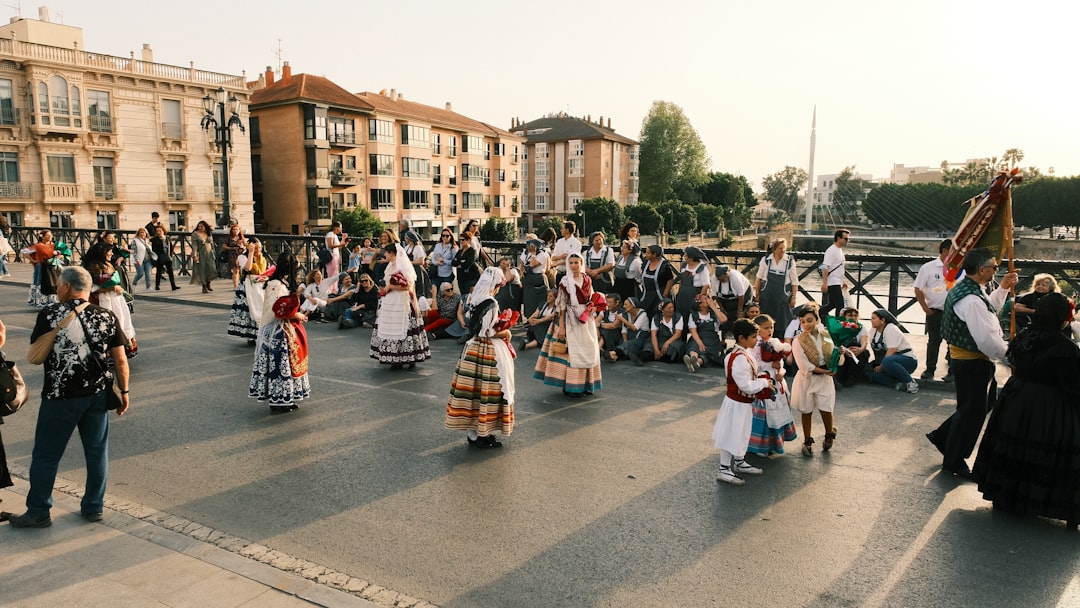
Walk into any swing venue, from Denver's Mercury Café to London's Jitterbugs, and you'll encounter the same ritual: the taxi dance. Partners rotate every song. A software engineer finds herself in a swingout with a retired mechanic. A graduate student from Seoul navigates a Charleston with a grandmother from São Paulo. This structured mingling breaks the clique formation that plagues many social hobbies. You cannot hide with your friends when the emcee calls "rotate."
The etiquette reinforces this openness. Either role—leader or follower, traditionally gendered but increasingly "ambidancetrous"—can ask anyone to dance. The request is rarely refused; the social contract assumes goodwill. A beginner's fumbled footwork matters less than their willingness to engage. The dance itself provides the structure: eight-count patterns that create shared success even between mismatched skill levels.
This generates what researchers call "synchronized movement bonding." When two bodies coordinate to music, oxytocin rises and social barriers lower. The effect is measurable and immediate. By evening's end, the strangers who stumbled through their first Lindy Hop together are laughing over botched turns at the venue's edge, planning to meet next week.
A Community With Physical Form
The social architecture extends beyond the dance floor. At Herräng Dance Camp, the five-week Swedish festival that serves as swing's global summit, the schedule includes communal meals, vintage fashion markets, and the legendary "speakeasy" nights where amateur musicians jam until 4 a.m. Camp Hollywood in Los Angeles structures its weekend around daytime workshops, evening competitions, and the informal "hotel lobby sessions" where dancers from Melbourne and Montreal trade regional variations.
Local scenes replicate this intensity at smaller scale. The Tuesday night class in Portland, Oregon, migrates to a nearby food cart pod afterward. The monthly dance in Austin includes a beginner's lesson that deliberately mixes attendees who arrived alone. These rituals create what sociologists term "third places"—neither home nor work, but environments where voluntary association generates social capital.
The intergenerational dimension distinguishes swing from nearly every other contemporary social dance. At any major event, teenagers compete alongside dancers in their eighties. This is not token inclusion but functional participation: the 1930s and 40s originals who revived the dance in the 1980s are still teaching, and their students' students now lead the global scene. When an 18-year-old studies footage of Frankie Manning to refine her aerials, she enters a lineage. When she dances with someone who learned directly from Manning's workshops, the connection becomes physical, transmitted through pressure of hand and angle of frame.
What Swing Offers That Nothing Else Does
Other activities promise community. Book clubs discuss; sports teams compete; volunteer organizations serve. Swing dance uniquely combines immediate physical intimacy with structured impermanence. You touch your partner—hand to hand, hand to back—within seconds of meeting. You create something together, improvised and unrepeatable. Then the song ends, and you separate, perhaps forever, perhaps to reunite years later at another event, recognized by movement rather than name.
This combination of closeness and release, of presence without obligation, attracts people who find traditional socializing exhausting. The introverted software engineer, the recently divorced parent, the immigrant seeking connection without language fluency—all find entry points. The dance provides the script; the music provides the energy; the community provides the permission to try.
Maria Chen learned her