Forty minutes of Lindy Hop burns roughly 300 calories—equivalent to a brisk run, except you're laughing, not checking your watch. While treadmills and burpees punish you into shape, swing dance disguises serious cardiovascular work inside improvised joy. The result? A workout you actually show up for, week after week.
What Swing Dance Actually Feels Like
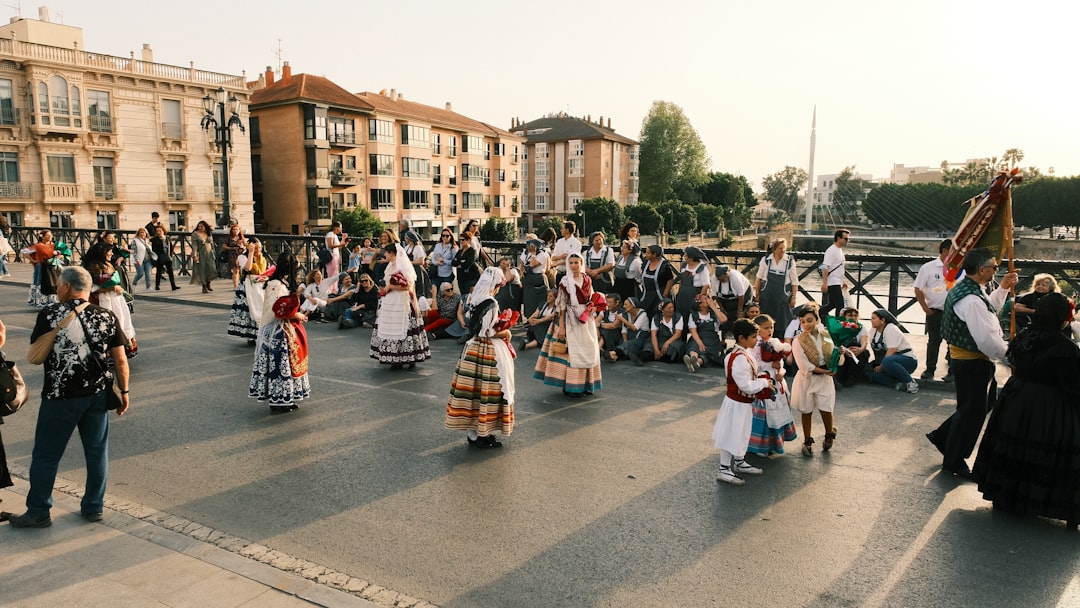
Picture this: a crowded wooden floor, a brass section blaring, and bodies moving in elastic partnership. Swing dance isn't one monolithic style but a family of dances born from 1920s Harlem jazz clubs. Lindy Hop explodes with athletic Charleston kicks and gravity-defying turns. West Coast Swing glides smooth and technical to R&B and blues. Balboa packs lightning-fast footwork into tight spaces, partners chest-to-chest.
Unlike choreographed fitness classes, swing demands real-time improvisation. You lead or follow through eight-count patterns, adjusting instantly to your partner's energy and the music's shifting tempo. That mental engagement—split-second decisions woven into physical movement—is what separates swing from mindless cardio.
The Physical Payoff: Cardio Disguised as Fun
Swing dance delivers measurable fitness benefits that stack up against conventional exercise.
Heart health without the boredom. Triple-step patterns keep heart rates between 120-150 BPM for sustained periods, meeting American Heart Association guidelines for moderate-intensity aerobic activity. A 2016 study in Complementary Therapies in Medicine found that partnered social dancing improved cardiovascular fitness comparably to cycling and walking programs—except participants reported significantly higher enjoyment and adherence.
Functional strength and balance. The counter-balance techniques central to partner dancing strengthen stabilizer muscles rarely targeted in gym workouts. For older adults, this translates to real-world protection: a 2017 study in PLOS ONE found that social dancers over 65 reduced fall risk by 23% compared to non-dancing controls.
Joint-friendly intensity. The sprung floors common at dance venues absorb impact better than pavement or concrete. You work hard without the repetitive pounding that sidelines runners.
Brain and Body: The Hidden Cognitive Load
The mental demands of swing dance create benefits that extend far beyond the dance floor.
Neuroplasticity through improvisation. Unlike rote exercise, partner dancing requires continuous spatial awareness, pattern recognition, and split-second decision-making. Research published in Frontiers in Aging Neuroscience links partnered dance to improved executive function and processing speed—protections against cognitive decline that solo exercise doesn't replicate.
Stress relief that actually works. The combination of physical exertion, social connection, and present-moment focus triggers measurable reductions in cortisol. "When you're leading or following, you can't ruminate about your inbox," says Laura Keat, international Lindy Hop instructor and exercise physiologist. "The music and partnership demand complete attention. People leave class mentally lighter, even after a terrible day."
Social infrastructure built in. Most swing scenes operate on partner rotation systems, introducing you to 15-20 people per hour-long class. For remote workers, recent transplants, or anyone rebuilding social circles after isolation, this structured mingling removes the awkwardness of cold introductions.
Finding Your Scene: What to Expect Your First Night
Ready to try? Here's the practical entry path.
Start with a beginner lesson. Most cities host social dances with included 30-60 minute beginner classes at 7 or 8 PM. These cover basic footwork and partner connection—no experience, partner, or rhythm required.
Dress for movement. Flat-soled shoes with minimal grip work best (canvas sneakers, leather-soled dance shoes, or even socks on polished floors). Avoid rubber-soled running shoes that stick and strain knees during turns.
Budget appropriately. Expect $10-20 for a social dance with lesson, often less for university-affiliated scenes. Many communities offer monthly beginner series for deeper foundational work.
Embrace the learning curve. Your first night will feel overwhelming. That's normal. The second night feels 50% easier. By your fifth, you'll recognize faces, anticipate patterns, and understand why regulars keep returning.
Three Swing Styles, Three Intensity Levels
| Style | Energy Level | Best For | Music Tempo |
|---|---|---|---|
| Lindy Hop | High | Athletic types, jazz lovers | 120-180 BPM |
| West Coast Swing | Moderate | Technical dancers, R&B fans | 80-120 BPM |
| Balboa | Compact intensity | Small spaces, fast feet enthusiasts | 180-250 BPM |
The Long Game: Why People Stay
Fitness programs fail when willpower exhausts. Swing dance endures because it offers something treadmills cannot: identity, community, and visible skill progression. You'll notice fitness improvements, yes—but you'll stay for the friendships, the creative outlet, and the occasional perfect moment when you and a stranger move