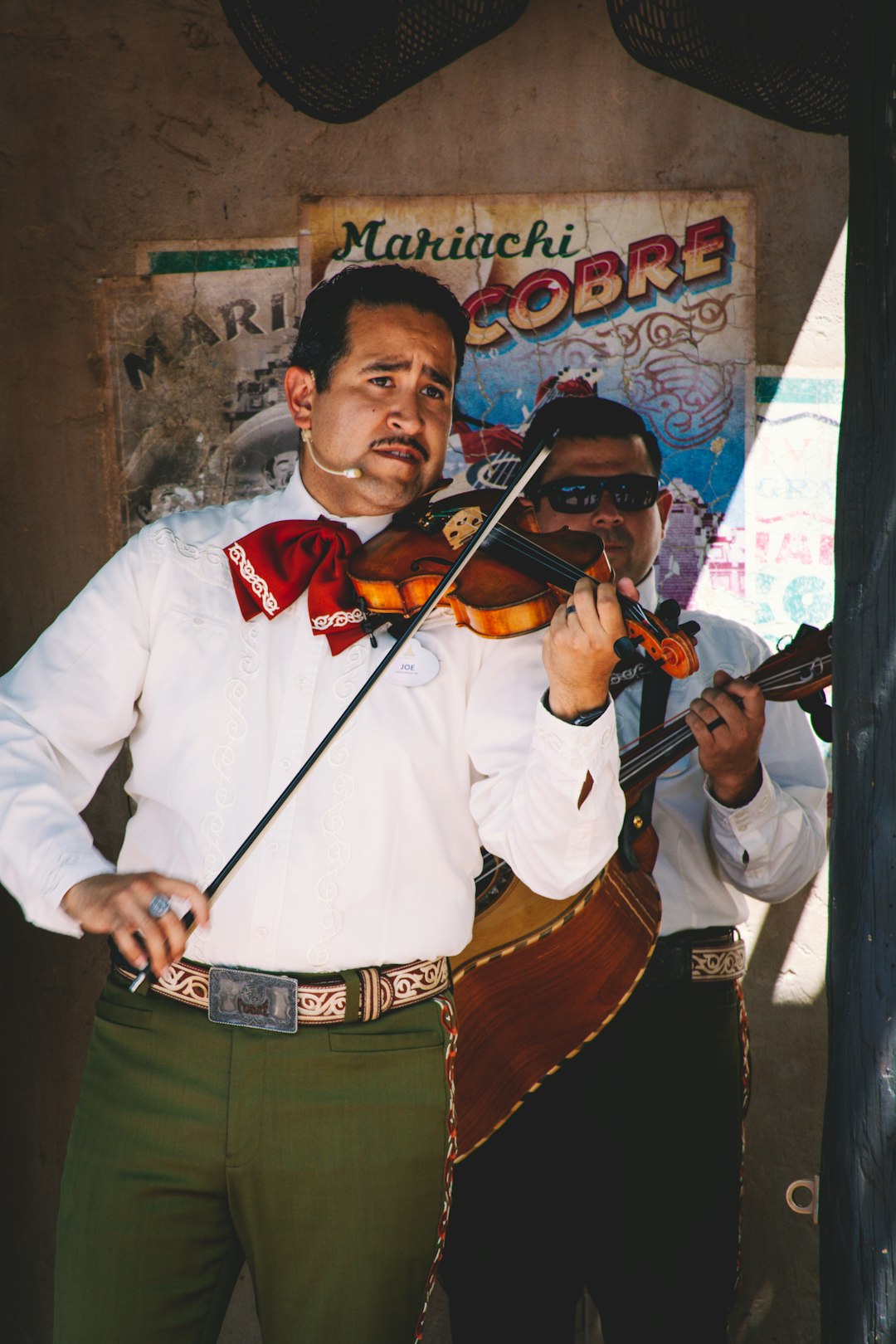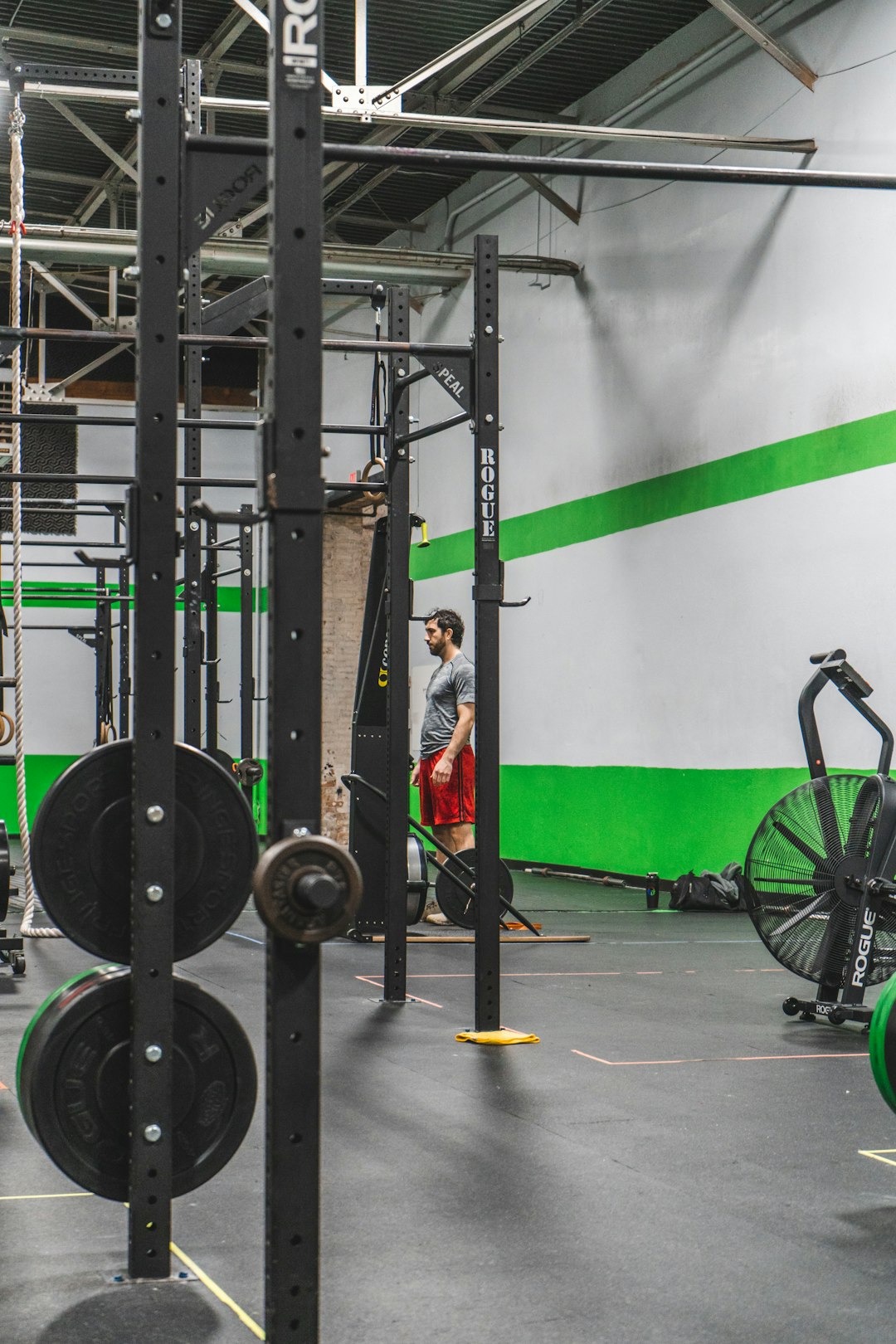
Folk dance demands what few other art forms require: technical precision married to cultural storytelling, explosive athleticism paired with historical authenticity. Whether your path leads to the thundering tropak jumps of Ukrainian dance, the intricate footwork of Irish step, or the sustained squat sequences of Russian kazatsky, professional success demands more than passion—it requires strategic, culturally grounded preparation.
This framework bridges the gap between dedicated student and employable professional, addressing the technical, physical, and cultural competencies that separate aspiring dancers from working ones.
Months 1–3: Build Your Technical Foundation
Pre-professional dancers often arrive with years of training, yet gaps in fundamental mechanics limit their advancement. Use this period to audit and strengthen your base.
Master Universal Movement Patterns
Before specializing, ensure proficiency in patterns that transcend regional styles:
| Pattern | Application | Self-Assessment |
|---|---|---|
| Grapevine (step-cross-step-tap) | European line dances, Balkan oro | Execute 32 counts at increasing tempo without losing alignment |
| Pas de bourrée variations | Transitional movement, rhythm changes | Perform with ball-flat foot articulation, maintaining turnout |
| Pivot turns and chainés | Directional shifts in partnered dances | Complete 4 consecutive turns with fixed spotting |
Develop Style-Specific Footwork
Select your primary regional focus and drill its signature elements:
- Irish: Treble rhythms, cut and hop combinations, pointed toe extension
- Ukrainian: Prysyadka (squat work), tropak bounding jumps, kolomyika turns
- Indian (Bhangra/Giddha): Jhummar pendulum steps, shoulder isolation with dhol rhythm
- Hungarian: Csárdás tempo changes, friss (fast) section endurance
Daily drill structure: 20 minutes of isolated footwork at 75% tempo, gradually increasing speed while preserving clarity. Record yourself weekly—professional advancement requires objective self-assessment.
Months 4–6: Deepen Cultural Fluency
Technical execution without cultural understanding produces hollow performance. Professional folk dancers function as living archivists; your credibility depends on authentic representation.
Immerse in Source Culture
| Domain | Actionable Steps | Resources |
|---|---|---|
| Music | Learn to identify regional instruments (cimbalom, bodhrán, gadulka) and their rhythmic signatures | Smithsonian Folkways, Hungarian Heritage House archives |
| Language | Acquire basic vocabulary for your primary tradition—counts, directions, emotional expressions | Italki tutors, heritage community classes |
| History | Study the social functions that shaped each dance: harvest rituals, courtship customs, military commemorations | Academic ethnographies, oral history projects |
| Appropriate Context | Understand when dances are ceremonial versus performative; recognize community protocols | Direct consultation with cultural bearers |
Warning: Commercial folk dance often strips cultural specificity for accessibility. Professional integrity requires resisting this flattening. Document your learning through journals and mentorship relationships with tradition-bearers, not just choreographers.
Months 7–9: Condition for Professional Demands
Folk dance physiology differs markedly from ballet or contemporary training. Generic fitness programs fail to address its specific stresses.
Folk-Specific Physical Preparation
Explosive Power for Jumps
- Depth jumps from 30cm platforms, progressing to 45cm
- Single-leg bounding sequences (3×10 each leg)
- Landing mechanics: soft knees, immediate rebound preparation
Sustained Squat Endurance
- Wall sits: 3×90 seconds with proper pelvic alignment
- Prysyadka position holds: accumulate 5 minutes daily
- Eccentric control: 4-second lowering phase in all squat work
Ankle and Calf Resilience
- Rapid relevé sequences: 3×20 on single leg
- Proprioception training: balance work on unstable surfaces
- Daily myofascial release for posterior chain
Injury Prevention Priority
Folk dance's repetitive high-impact loading creates predictable vulnerability: patellar tendinopathy from deep squat work, Achilles strain from rapid footwork, lumbar stress from unsupported torso rotation. Establish relationships with sports medicine professionals familiar with dance, and schedule quarterly movement screenings.
Months 10–12: Build Your Professional Infrastructure
Technical readiness means little without professional visibility. Transition from student mindset to working dancer identity.
Document and Curate Your Repertoire
Create a comprehensive inventory:
REPERTOIRE ARCHIVE TEMPLATE
- Dance title and regional origin
- Choreographer/traditional source