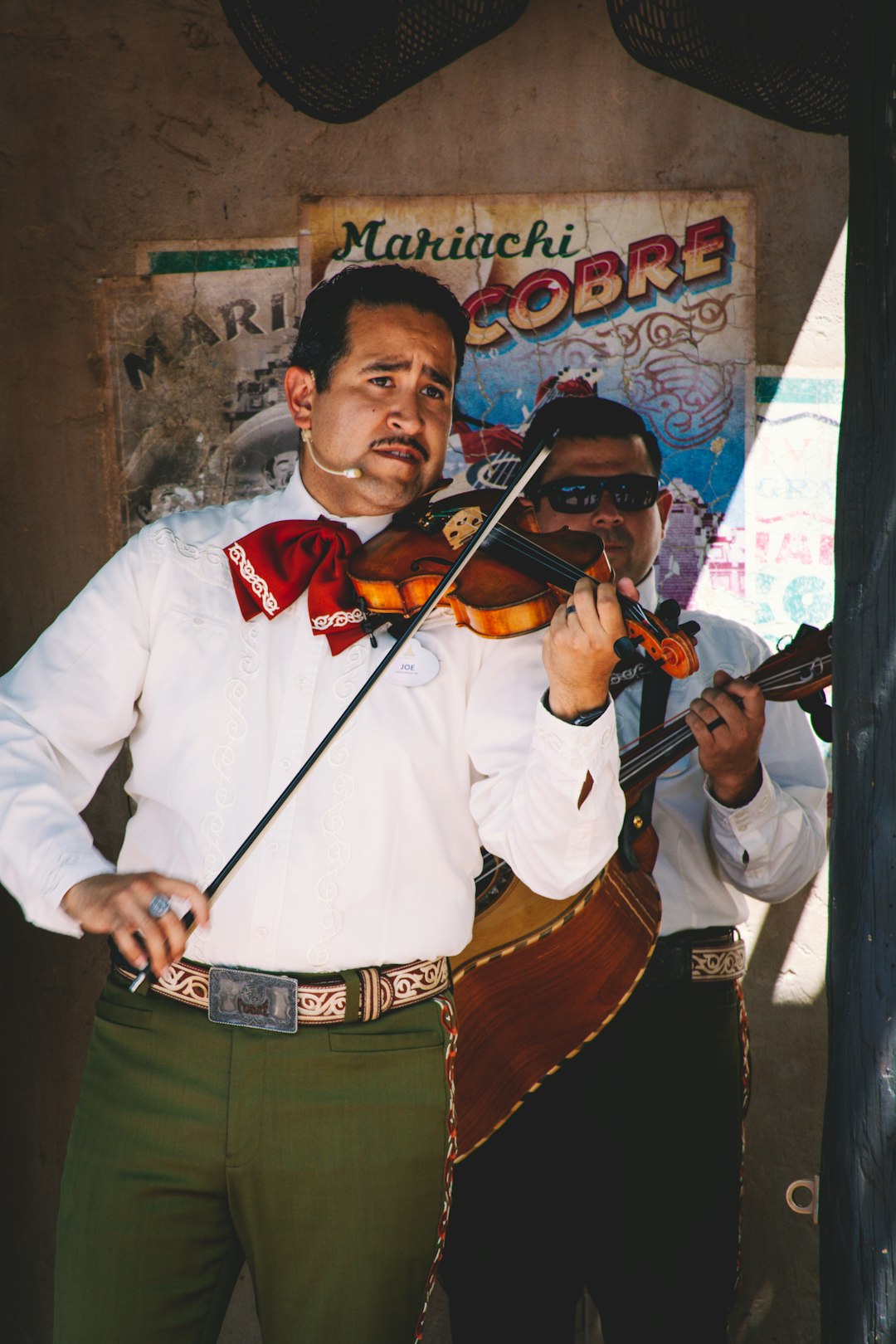
When Maria Kowalski's Kraków-based folk troupe landed a three-festival European tour in 2019, she discovered that traditional dance economics work differently than ballet or contemporary markets. Her experience illustrates what newcomers must understand: folk dance operates across overlapping economies—cultural preservation, entertainment, and education—each with distinct revenue patterns and challenges.
This guide examines how professionals actually earn income in this field, what financial realities to expect, and how to position yourself for sustainable work.
Understanding the Market Landscape
Folk dance instruction and performance generate approximately $2.3 billion globally, with strongest concentration in Eastern Europe, Ireland, the United States (particularly in cities with large immigrant populations), and East Asia. Digital platforms have expanded reach dramatically—online folk dance classes grew 340% between 2020 and 2022, creating new revenue streams for instructors willing to adapt.
Unlike commercial dance genres, folk dance markets remain fragmented by cultural tradition. Irish step dance operates through established competition circuits and touring shows like Riverdance. Eastern European traditions depend heavily on state cultural funding and diaspora community events. North American contra and square dancing revolve around social dance weekends rather than performance economics.
Your geographic location and cultural specialization significantly determine available opportunities.
Five Revenue Verticals: How Professionals Actually Earn
Performance Services
Folk dance troupes and solo performers generate income through festival appearances, cultural celebrations, corporate events, and private functions. Fee structures vary dramatically by venue type and region.
| Performance Type | Typical Fee Range | Seasonal Pattern |
|---|---|---|
| Community cultural festivals | $500–$2,500 | Summer concentration |
| International folk festivals | $2,000–$10,000 | June–September peak |
| Corporate diversity events | $1,500–$5,000 | Year-round, December spike |
| Private celebrations (weddings, etc.) | $800–$3,500 | Spring/fall wedding seasons |
| Touring productions | Contract-based | Multi-year cycles |
Reality check: Most performers combine multiple gig types. A soloist might average 40–60 paid appearances annually, with income supplemented through teaching. Established troupe leaders with strong festival relationships can reach $75,000–$90,000; entry-level performers often earn $15,000–$25,000 while building reputation.
Instruction and Education
Teaching offers more predictable income than performance. Revenue streams include:
- Weekly community classes: $45–$150 per participant for multi-week sessions
- Intensive workshops: $75–$300 hourly, or $150–$500 per participant for weekend immersions
- University residencies: $3,000–$15,000 per semester
- Online course platforms: $20–$150 per enrollment, scaled through volume
- Private coaching: $60–$200 hourly
Successful instructors typically develop signature pedagogical approaches. Kasia Reilly built a six-figure teaching practice by specializing in Polish mountain dance for American dancers with no prior folk experience—creating entry points where established pathways didn't exist.
Costume and Material Culture
Traditional dance garments represent significant investment for performers and ongoing revenue for craftspeople. Specialists in authentic construction command premium pricing:
- Complete regional costumes: $800–$4,000
- Individual pieces (vests, skirts, headpieces): $150–$600
- Repair and restoration: $40–$100 hourly
- Contemporary adaptations for stage: $300–$1,200
This vertical rewards deep material knowledge. The most successful designers combine archival research skills with practical construction, often maintaining relationships with specific regional textile producers.
Music and Audio Production
Live and recorded music integration creates specialized roles:
- Accompanying musicians: $150–$500 per performance; $50–$150 hourly for rehearsals
- Recording engineers specializing in traditional instrumentation: $300–$800 per project
- Repertoire researchers who locate and arrange traditional melodies: $400–$1,200 per arrangement
Musicians who cross-train in multiple regional traditions access broader markets. A fiddle player competent in both Irish and Cape Breton styles doubles available festival opportunities.
Event Production and Management
Behind-the-scenes coordination represents substantial employment:
| Role | Typical Compensation | Key Skills Required |
|---|---|---|
| Festival artistic director | $45,000–$85,000 annually | Curatorial vision, grant writing, artist relations |
| Tour manager | $400–$800 daily | Logistics, visa navigation, crisis management |
| Cultural program coordinator | $40,000–$65,000 | Community engagement, institutional fundraising |
| Marketing specialist | $35,000–$70,000 | Digital strategy, audience development |
Financial Realities and Risk Factors
Income Volatility
Folk dance work remains highly seasonal. European festival circuits concentrate