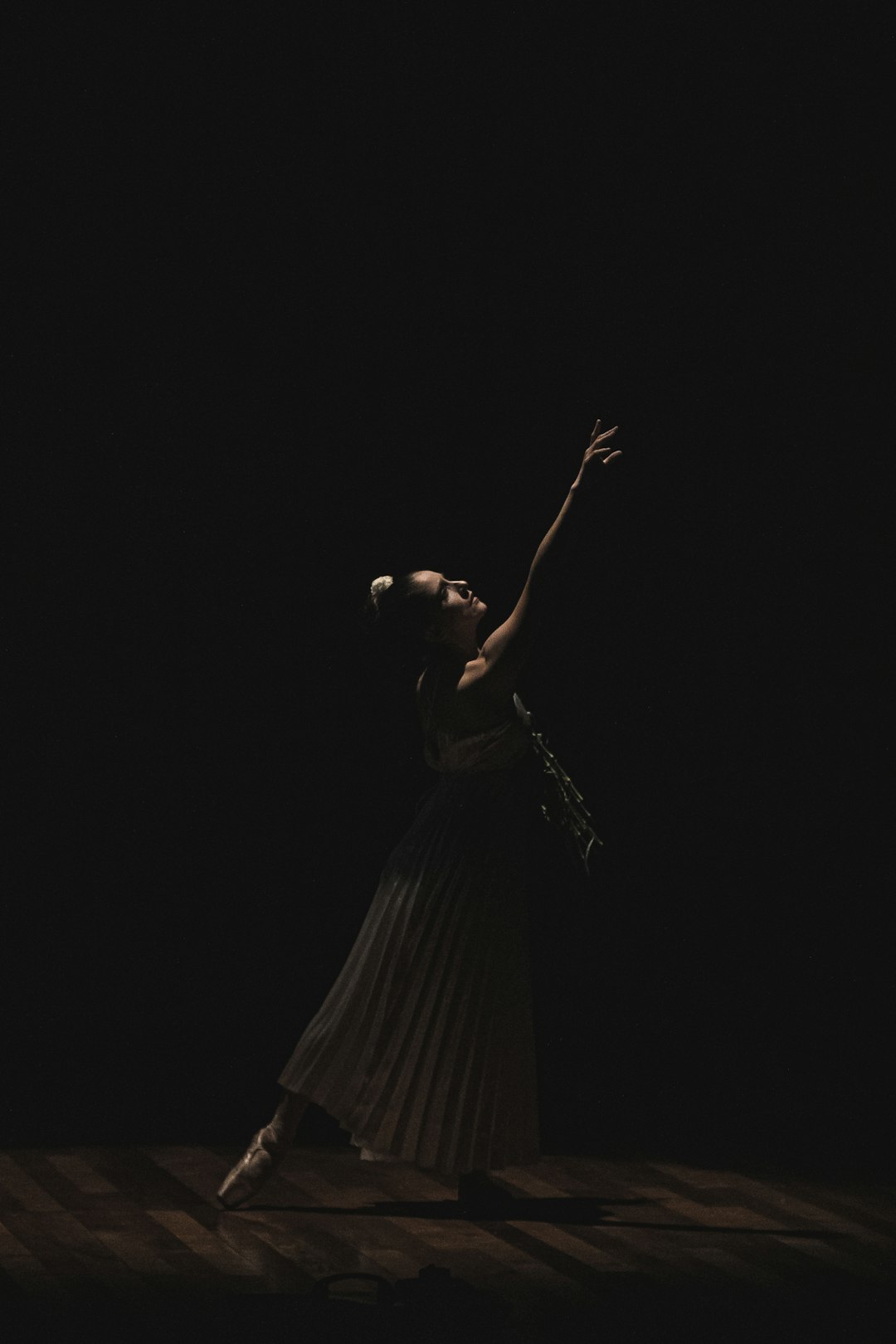
In 1935, at the Savoy Ballroom in Harlem, dancer Norma Miller could be spotted by her signature look: a full skirt that flared dramatically as she spun, low-heeled oxfords that let her feel the floor, and a flower tucked behind her ear. Her clothes weren't just fashionable—they were functional architecture for a dance that demanded athleticism and improvisation. Nearly nine decades later, swing dancers worldwide still negotiate this same tension: how to honor history while making it their own.
This is the story of how swing fashion evolved from the segregated ballrooms of 1930s Harlem through wartime rationing, rock 'n' roll rebellion, and multiple revivals—each era revealing as much about American social history as about hemlines and shoe choices.
The 1920s–1930s: Separating Myth from Movement
Here's what popular culture gets wrong: flappers didn't swing dance. The fringed, sequined dresses of the 1920s Charleston era were designed for upright, contained movement—not the athletic, horizontal explosiveness of the Lindy Hop that emerged in late 1920s Harlem.
When Shorty Snowden allegedly coined the term "Lindy Hop" at the Savoy Ballroom in 1928, dancers wore what allowed them to survive three-hour marathon sessions. Women abandoned restrictive flapper silhouettes for practical knee-length skirts with enough fullness to flare on spins but not so much fabric that partners could trip. Men favored high-waisted trousers with room in the thighs for squatting into breaks, paired with suspenders (belts restricted torso movement) and leather-soled shoes that slid on lacquered floors.
This was working-class fashion. The Savoy's integrated dance floor—unusual for its time—brought together Black dancers from Harlem's tenements and curious white downtown visitors. What they wore communicated identity: zoot suits for some, borrowed elegance for others, always prioritizing function over flash.
The 1940s: Dancing Through Scarcity
World War II transformed swing fashion through necessity rather than choice. With silk and nylon diverted to parachutes and rationing limiting fabric quantities, the glamorous excess of pre-war styles became impossible.
Women dancers adapted through the "Make Do and Mend" ethos. Shirtwaist dresses in cotton or rayon replaced silk gowns—practical not merely because of availability, but because factory and military service work had normalized women in functional clothing. Hemlines rose slightly to conserve material, incidentally creating the visual of dancing legs that would define the era's aesthetic. Many dancers sewed their own clothes, adding gussets under arms and extra panels in skirts for movement.
Men's fashion split along class and service lines. Servicemen on leave danced in uniform—a look that carried its own romantic charge. Civilians wore looser trousers (wool rationing made fitted cuts impossible) and more casual shirts as the suit-and-tie standard relaxed. The zoot suit, with its exaggerated proportions, became politically charged after the 1943 Zoot Suit Riots in Los Angeles, when white servicemen attacked Mexican American and Black youths wearing the style.
What emerged was a democratized aesthetic: less about displaying wealth, more about collective participation in a culture under stress.
The 1950s: The Fragmentation
Rock 'n' roll's rise didn't simply change swing fashion—it split the dance world. As rhythm and blues evolved into rock, partner dancing itself became contested territory.
East Coast swing (or "jive") persisted in Black communities and among dedicated enthusiasts, but the fashion vocabulary shifted. Women's full skirts—now supported by multiple petticoats—created the iconic silhouette associated with Grease and retro nostalgia, though contemporary dancers wore these for practical movement, not costume. Saddle shoes and Keds replaced leather soles as dancing moved from polished ballrooms to school gymnasiums.
Meanwhile, the Lindy Hop nearly vanished from mainstream visibility. What survived did so in regional pockets: California's dance halls, Harlem's remaining ballrooms, Scandinavian countries where American GIs had left instruction. The fashion of these committed dancers became increasingly archival—deliberately preserving 1930s–40s silhouettes as the wider culture moved on.
The 1960s–1970s: Underground Preservation
The article's original framework skips this period entirely, yet these decades proved crucial. As soul and funk dancing dominated Black social dance, and disco later transformed partner dancing, swing survived through deliberate preservation efforts.
Frankie Manning, Norma Miller, and other original Savoy dancers taught workshops wearing what they'd always worn: comfortable trousers, modest heels, clothes that let them demonstrate aerials well into middle age. Their students—often white, often European—adopted these practical choices as authenticity markers. This created a curious inversion: by the 1970s, wearing 1940s








