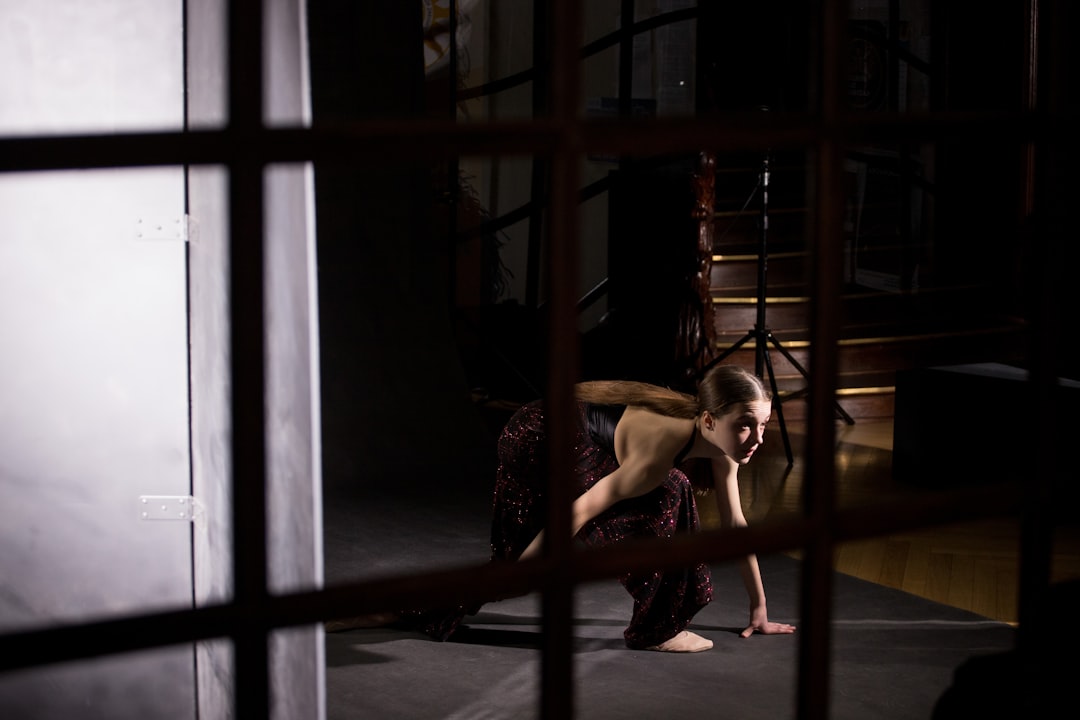
The lights dim. A live horn section kicks into a 180 BPM rendition of "Jumpin' at the Woodside." You glance at the stranger now standing beside you—your partner for the next ninety seconds in this Jack & Jill preliminary. No choreography. No rehearsal. Just two bodies, a shared pulse, and the pressure to make something memorable before the music stops.
This is swing dance competition. And it is nothing like what you imagine.
What Makes Swing Competition Different
Unlike choreographed ballroom events or solo dance battles, most swing competitions center on improvisation and partnership. The formats themselves reveal these priorities:
- Jack & Jill: Randomly paired with a stranger, you dance to music you may not know, judged on how quickly you establish connection and musical dialogue
- Strictly: You compete with a chosen partner, but everything remains improvised to live or DJ'd swing-era jazz
- Showcase: The rare choreographed category, where teams present rehearsed routines
- Team Competitions: Multiple couples perform synchronized or sequential pieces
The judging criteria reinforce these values. Judges score connection (how clearly you and your partner communicate), musicality (whether you dance with the band or over it), and floorcraft (can you navigate crowded space gracefully?). Flashy aerials might earn applause, but they will not advance you without the fundamentals beneath them.
The Thrill: Terror Transformed
Stepping onto that floor triggers a specific adrenaline—part terror, part creative possibility. The terror comes from genuine risk: you cannot hide behind memorized steps. The possibility emerges when you discover, mid-song, that you and this stranger have found a shared vocabulary.
Experienced competitors describe a particular transformation. "Your first few competitions, you're just surviving," says Marcus Chen, a Lindy Hop competitor based in Chicago. "Then somewhere around your tenth, you realize the judges want to see you enjoy it. The moment you actually start listening to the trumpet solo instead of counting in your head—judges notice. The audience notices. Most importantly, you notice."
This growth trajectory distinguishes swing competition from many athletic pursuits. Beginners compete alongside international champions in the same preliminaries. The format demands adaptability over perfection, and rewards the dancer who recovers gracefully from a missed connection more than one who executes flawless but disconnected patterns.
The Camaraderie: More Than Friendly Atmosphere
The community claims are genuine, and they are structural. Competition organizers design events that require collaboration:
- Mix and matches: Dancers rotate partners throughout the evening, eliminating isolated cliques
- Jam circles: Finals often conclude with invited dancers joining champions on the floor, dissolving the performer-audience boundary
- Feedback culture: Post-competition, judges frequently offer brief coaching sessions; competitors share video analysis in hotel lobbies until 2 AM
The support extends to failure. At major events like the International Lindy Hop Championships or the US Open Swing Dance Championships, audiences cheer loudest for the dancer who recovers from a stumble with humor and style. The standing ovation goes not to perfection, but to humanity handled well.
Strategies for Your First Competition
Practice under pressure. Stage fright is trainable. Run your dancing with friends watching, or record yourself during simulated competition rounds. The camera reveals what mirrors hide: tension in your shoulders, disconnection from your partner, rushing the tempo.
Test partnership compatibility early. A brilliant social dancer is not automatically a brilliant competitor. Before committing to a Strictly division, negotiate how you will handle mistakes. Will you pause and reconnect? Smile and continue? These microseconds determine whether a bobble becomes charming or catastrophic.
Study the judges, then ignore them. Watch them during other heats. Are they marking dancers who listen to the band's breaks, or those who execute the most aerials? Once you understand their priorities, return your attention to your partner and the music. Judges can spot desperation; they reward presence.
Your First Step Onto the Floor
You need not begin at a major event. Local scenes host "mini-Jacks" with live music, low stakes, and experienced dancers explicitly present to welcome newcomers. Regional swing dance associations maintain calendars; your weekly social dance organizer will know the schedule.
The floor is more forgiving than you imagine. The applause, when you nail that swingout precisely on the break, is genuinely earned—not because you were perfect, but because you were present, connected, and brave enough to risk something unscripted.
Check your regional calendar. The band is warming up.










