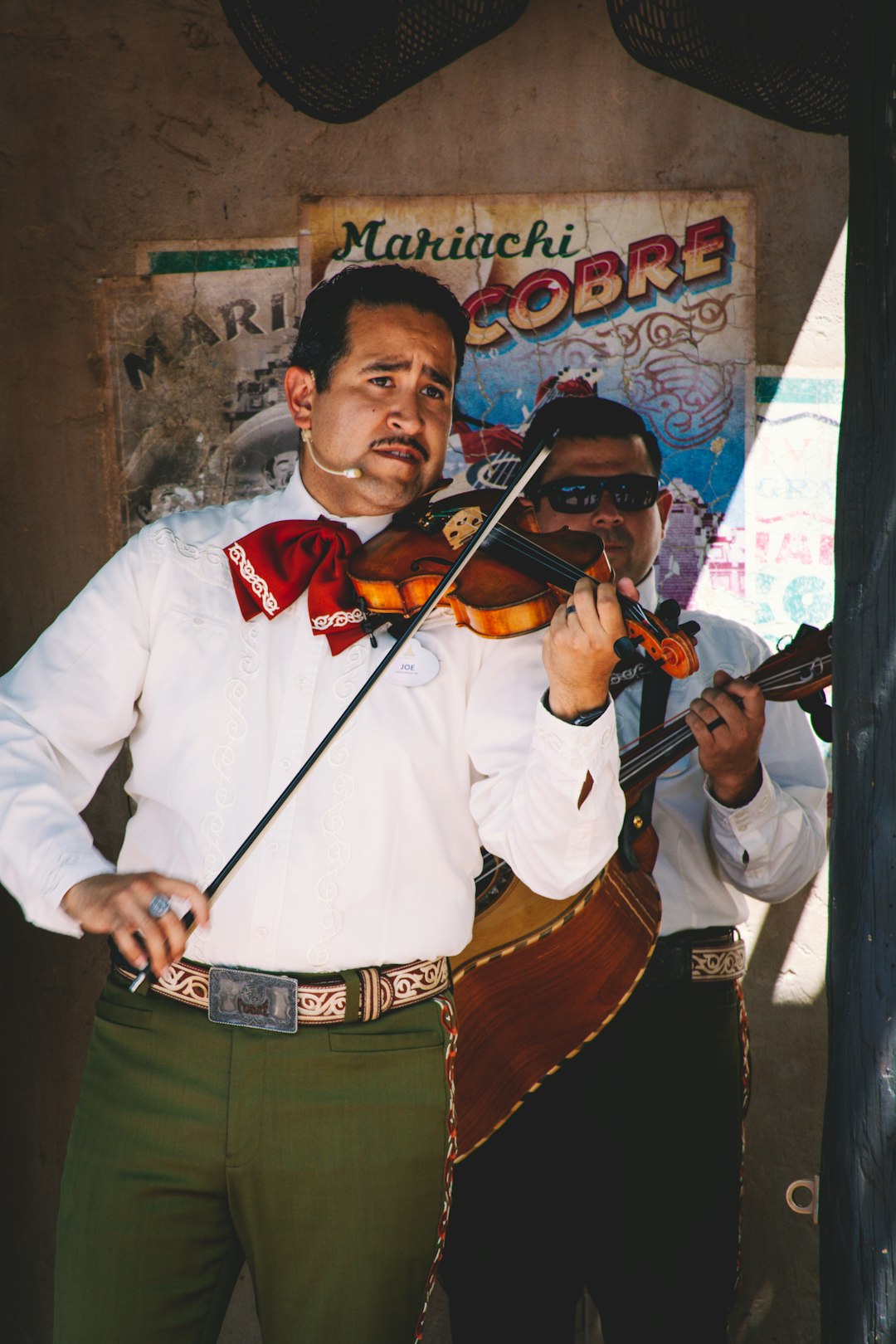
In a Macedonian village, the oro still begins when the eldest musician strikes his drum. In Ghana, the adowa announces a queen mother's presence with deliberate, dignified steps. These living traditions—passed hand to hand, foot to foot, across millennia—reveal folk dance not as museum piece but as persistent, adaptive human expression. Yet the path from ancient ritual to TikTok trend is neither straight nor simple. It winds through colonial encounter, nationalist revival, and the contested territory of cultural appropriation. Understanding this evolution means asking hard questions: What survives when a dance crosses borders? Who owns a tradition once it enters the studio?
The Ritual Roots: Why Humans Dance Together
The earliest evidence of organized dance appears in Egypt's Beni Hasan necropolis, where a 4,000-year-old mural depicts the Ghos of the Dancers—rows of acrobatic performers at a funeral rite. But this image captures more than entertainment. Archaeologists and dance ethnologists now read such scenes as evidence of dance's original social functions: ensuring successful harvests, marking life transitions, and forging collective identity through shared physical experience.
Specific forms illuminate these purposes. European sword dances, performed from the Pyrenees to the Scottish Highlands, likely originated in pre-Christian warrior rituals—live blades weaving patterns that doubled as combat training and agricultural fertility magic. Balkan hora circles, still danced at weddings from Romania to Israel, encode ancient cosmology in their counterclockwise motion: participants moving sunwise, together, creating temporary sacred space. West African ring shouts, documented among enslaved communities in the Americas, preserved religious ecstasy within seemingly secular social dance, the shuffling feet never fully crossing—a subversive retention of forbidden ritual.
These dances share essential characteristics: group participation rather than star performance, repetition that enables communal entry into altered states, and direct connection to seasonal or life-cycle events. They were never "art for art's sake." They were technologies for surviving and thriving.
The Great Exchange: How Contact Transforms Tradition
The 17th-century Austrian Ländler—a peasant dance in 3/4 time—seems an unlikely candidate for global conquest. Yet as it migrated to urban ballrooms, smoothed of its hopping vigor and controversial close-hold position, it became the waltz. By 1814, Vienna's Congress danced to its rhythm; by 1900, it symbolized romantic love across the Western world. The transformation reveals a pattern: folk material travels upward through social class, shedding "rough" elements, before often returning transformed to its origins.
The tango's journey proves even more complex. Emerging in 1880s Buenos Aires among working-class immigrants, it fused Cuban habanera rhythms, Italian melodic structures, African candombe drumming, and gaucho milonga poetry. Initially condemned by Argentine elites as vulgar, it became Paris's obsession by 1913, then Hollywood's exotic shorthand, then—decades later—Argentina's reclaimed national heritage through virtuoso stage productions. Each iteration was authentic to its moment and context; none was the "original."
Colonial encounter produced more violent transformations. English country dances crossed the Atlantic, merged with African-derived rhythms and indigenous American formations, and generated square dancing, clogging, and eventually tap dance. The contradance → square dance lineage demonstrates how folk dance serves as historical record: the "caller" figure preserves the European prompter; the percussive footwork encodes suppressed African musicality; the four-couple square formation reflects New World social organization.
Yet this exchange was rarely equal. Indigenous North American dances faced systematic suppression through the 19th and early 20th centuries, with federal bans on ceremonial practice that some communities circumvented by presenting "folk" versions for white audiences. The question of who controls representation—who decides when sacred becomes secular, when community property becomes national heritage—remains urgent.
Reinvention and Resistance: The Modern Era
The early 20th century brought deliberate, self-conscious revival. In 1903, Isadora Duncan performed barefoot in a white tunic, borrowing from Greek folk dance to revolutionize ballet's rigid conventions. Her contemporary, Ruth St. Denis, staged "ethnic" dances that mixed authentic research with orientalist fantasy—problematic precursors to later, more rigorous engagement. Modern dance pioneers Martha Graham and Doris Humphrey studied immigrant communities' dances, incorporating their grounded weight and spiral tensions into new technical systems.
Post-war developments multiplied these connections. Choreographer Pina Bausch, founder of Tanztheater, integrated Italian tarantella's manic energy into psychological narratives of gender and violence. Israel's hora, originally a Balkan circle dance, became central to national identity construction—then material for contemporary chore