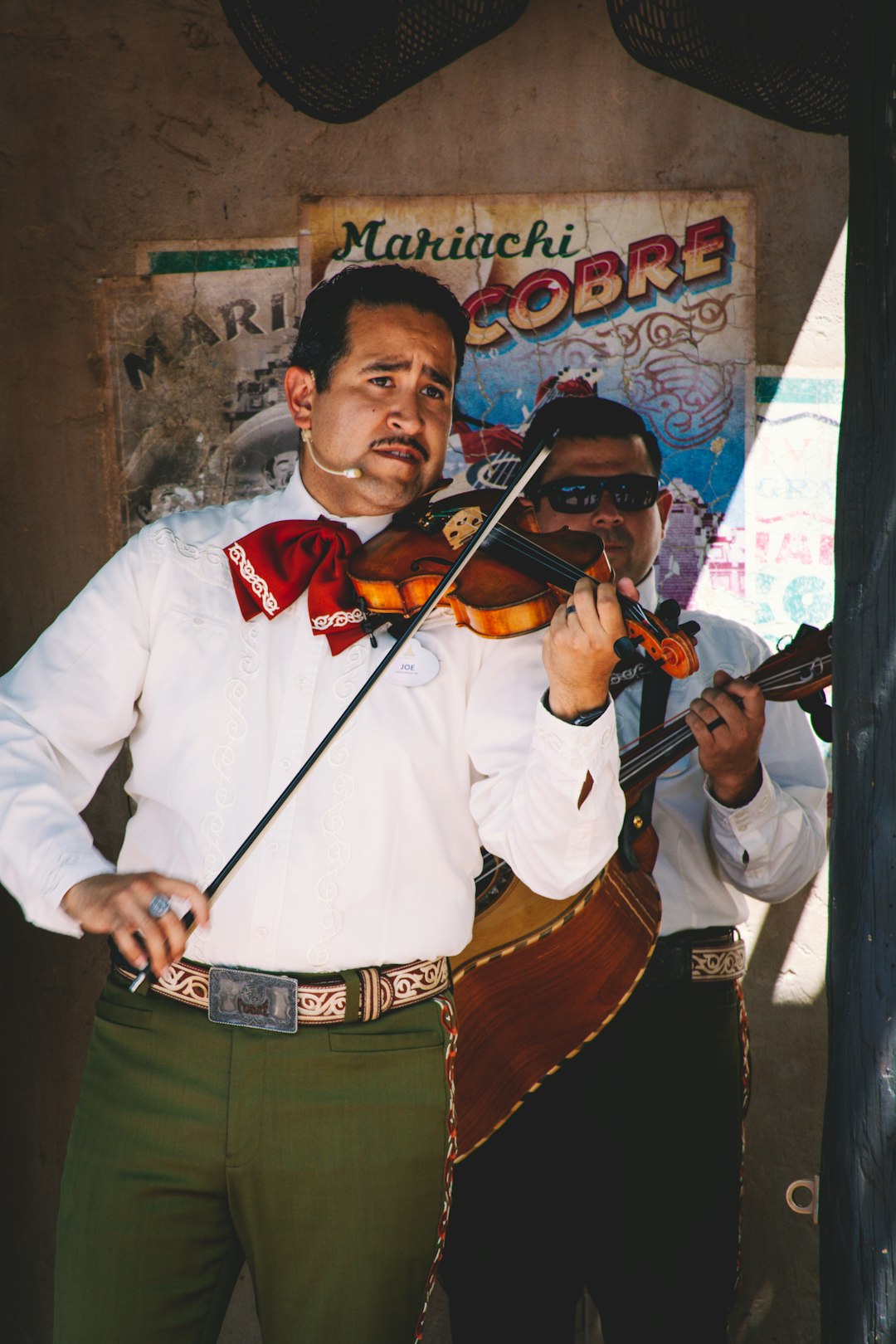
The moment the fiddle loop dropped, 180 million viewers leaned forward. On the Eurovision 2021 stage, Moldovan ensemble Zdob și Zdub executed synchronized hip-hop breakdowns in traditional embroidered vests—marrying centuries-old hora steps with trap beats and street-style isolations. They placed seventh, but sparked something larger: a global conversation about what "authentic" folk dance means when the village square becomes a festival mainstage.
This is folk dance fusion in its most visible form. Yet the phenomenon extends far beyond spectacle, raising urgent questions about preservation, appropriation, and who holds the keys to cultural heritage.
From Preservation to Transformation
Folk dance has always evolved. The 19th-century Hungarian csárdás performed in Transylvanian villages bore little resemblance to the accelerated, theatrical version that swept Vienna's ballrooms by 1850. What distinguishes contemporary fusion is its self-awareness—and its speed.
Choreographers now deliberately dismantle and reconstruct forms that once developed organically over generations. In 2019, Irish step dancer Colin Dunne premiered Out of Time at Dublin's Abbey Theatre, replacing traditional ceilidh rhythms with electronic compositions and introducing floor work foreign to the upright posture of sean-nós. The production sold out its run but divided critics: The Irish Times called it "liberation," while An Gael magazine lamented "the final severing of dance from its musical root."
Ukrainian quartet DakhaBrakha has pursued a different path, incorporating hip-hop footwork into Hutsul wedding dances while maintaining acoustic instrumentation. Their 2022 Glastonbury performance demonstrated how fusion can function as cultural diplomacy—introducing global audiences to regional Ukrainian traditions through familiar movement vocabulary.
The Alchemy of Cross-Cultural Blending
Some of the most compelling fusion work occurs at cultural intersections. Choreographer Gregory Maqoma's Exit/Exist (2012) merged Xhosa umxhentso with contemporary release technique and Butoh-inspired stillness, creating a meditation on ancestry and displacement that toured four continents.
Less documented but equally significant are grassroots experiments: Brazilian forró communities in Lisbon blending the dance's close embrace with kizomba body movement; Japanese awa odori troupes in Los Angeles incorporating locking and popping into summer festival processions.
These combinations generate what ethnochoreologist Ana Carvalho terms "kinetic creoles"—movement languages that emerge from sustained contact between communities rather than choreographic imposition. The distinction matters. Fusion born from lived multicultural experience differs fundamentally from studio experiments that extract steps from their social context.
The Resistance Movement
Not all tradition-bearers celebrate these experiments. In 2017, Romania's Ministry of Culture withdrew funding from the Banatul ensemble after they replaced live violinists with electronic tracks in their hora performances. "The soul leaves when the machine enters," ethnomusicologist Elena Mihăilescu told Balkan Insight. Similar controversies have erupted in Bulgaria over kopanitsa arrangements using synthesizers, and in Georgia where sukhishvilebi ballet techniques have been applied to mountain khorumi warrior dances.
These conflicts reveal competing definitions of authenticity. For institutional gatekeepers, fidelity to documented form preserves intangible heritage. For younger practitioners, adaptation ensures survival. The tension intensifies when commercial interests enter: when Riverdance transformed Irish step dancing into global entertainment in 1994, it created employment for thousands of dancers while alienating traditional sean-nós communities who saw their form reduced to spectacle.
Navigating Appropriation
Cross-cultural fusion carries particular risks. When choreographers combine elements from traditions they don't inhabit—say, Irish jig footwork with West African rhythmic structures—questions of permission and attribution arise.
The 2018 controversy surrounding a New York-based company's "Celtic-African" production illustrates the stakes. The work blended Scottish Highland dancing with Guinean doundounba without consulting practitioners of either form. Critics noted that the production credited the white choreographer as "creator" while listing African and Scottish dancers merely as "performers."
Responsible fusion, practitioners suggest, requires sustained relationship. Choreographer Akram Khan's Gnosis (2009) integrated kathak with contemporary dance only after fifteen years of training with Pandit Birju Maharaj. The Bangladeshi-British artist has since become vocal about the difference between "research" and "extraction."
Where to Experience Fusion Now
For readers curious to engage directly, several entry points exist:
Festivals: WOMEX (rotating European locations), globalFEST (New York), and Rainforest World Music Festival (Malaysia) regularly program fusion folk performances with contextual programming.
Digital archives: The Smithsonian Folkways collection and Europeana's dance heritage portal