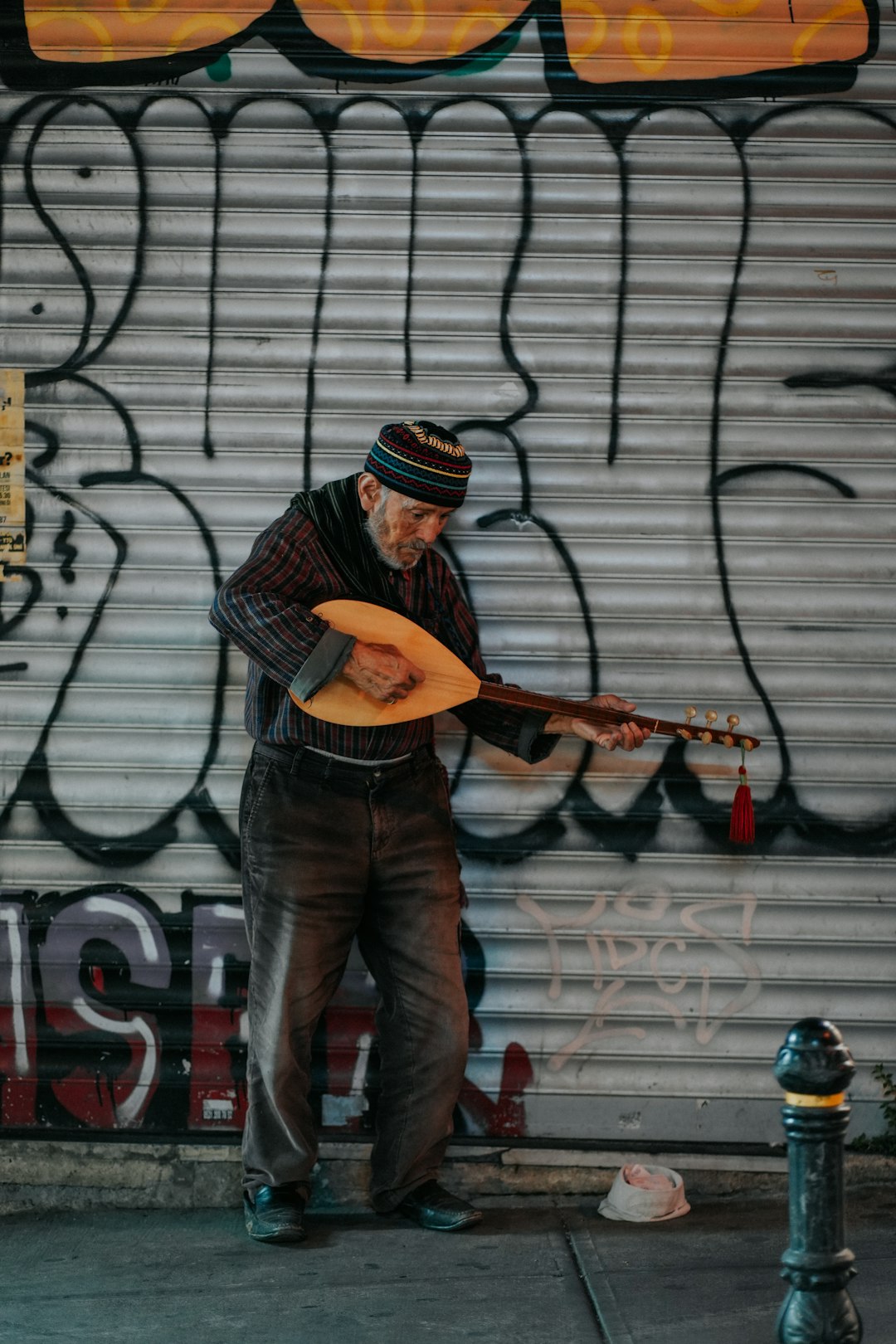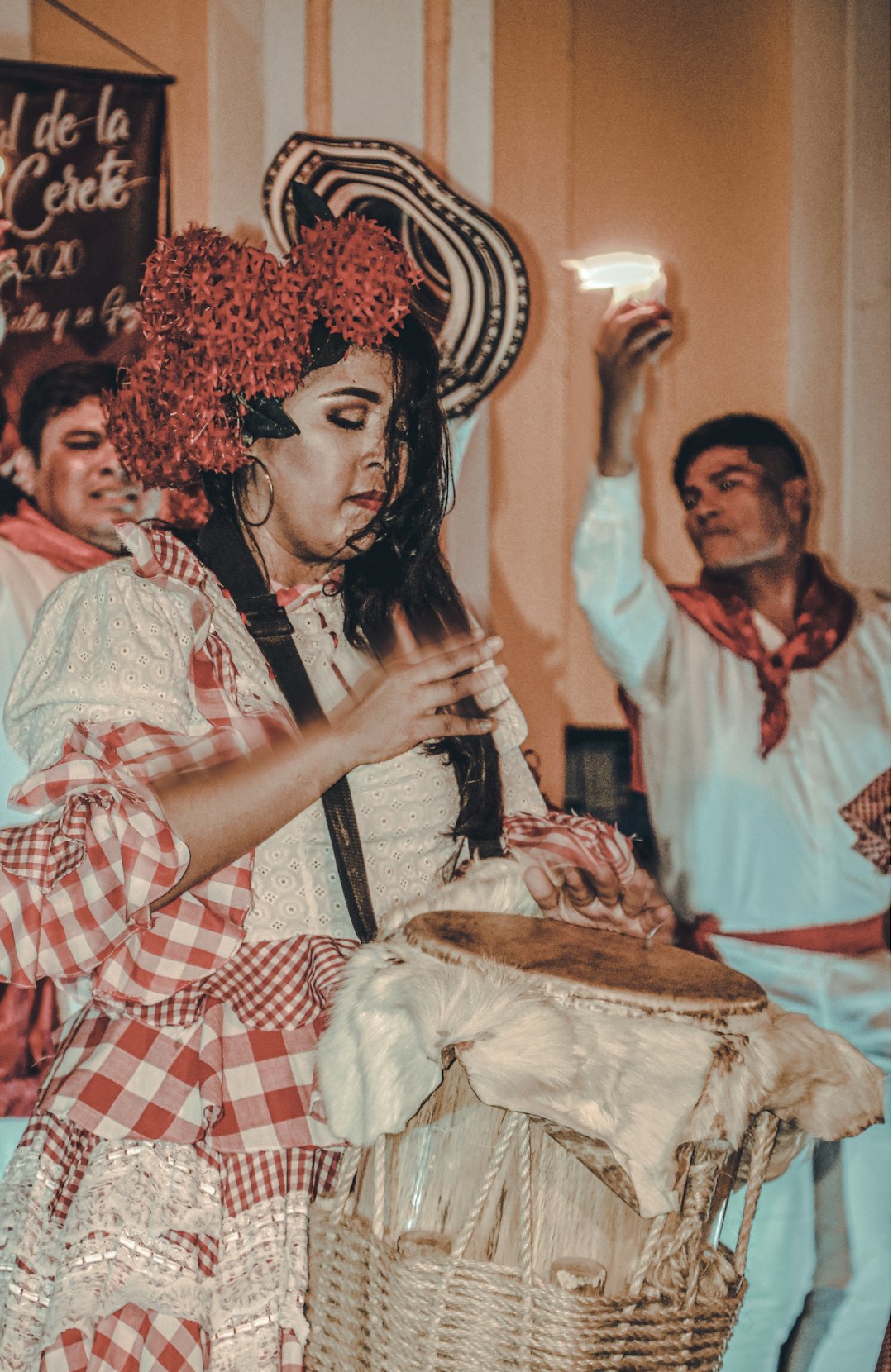
The saxophone hits its peak, the tempo kicks up, and suddenly you're flying—your feet barely touching the floor as your partner spins you through a crowded room of smiling strangers. This isn't a scene from a vintage movie. It's a Tuesday night at your local swing dance, and within your first 90 days, it could be you.
What Is Swing Dance?
Swing dance isn't a single dance but a family of styles born from the swing era of jazz music in the 1920s and 1930s. Each variant carries distinct regional DNA:
| Style | Origin | Signature Characteristic |
|---|---|---|
| Lindy Hop | Harlem, New York City | Athletic, improvisational, famous for aerials and "swing-outs" |
| Charleston | Charleston, South Carolina | Fast kicks, playful energy, works solo or partnered |
| Balboa | Southern California | Tight embrace, intricate footwork, perfect for fast tempos |
| Collegiate Shag | Carolinas/California | Hopping basic, energetic, often danced to pre-swing jazz |
The Lindy Hop remains the most widely practiced globally, its Harlem roots preserved in communities from Stockholm to Seoul. Understanding this lineage isn't trivia—it connects you to a living cultural tradition that survived segregation, wartime, and decades of obscurity to resurface stronger than ever.
Why Start Swing Dancing?
Beyond the obvious appeal of movement and music, swing dancing delivers benefits you might not expect:
Cognitive training disguised as play. The split-second decision-making of partner dancing—reading body cues, adjusting to tempo changes, recalling patterns—builds neuroplasticity more effectively than repetitive gym workouts.
A genuinely intergenerational community. On any given night, you'll find college students dancing with retirees, software engineers with artists. Age, profession, and background dissolve once the music starts.
Global passport. Master the basics in your hometown, and you can walk into dance halls in Berlin, Buenos Aires, or Bangkok with instant community access. The universal language of swing transcends borders.
Stress inoculation. The focused presence required for partner dancing—often called "flow state"—pushes daily worries into the background. You cannot ruminate about tomorrow's meeting while executing a swing-out.
Your First 90 Days: A Week-by-Week Roadmap
Weeks 1–2: Find Your People
Start with targeted searches: "Lindy Hop [your city]," "vintage dance society," or "swing dance lessons near me." Expect to pay $10–$20 for drop-in beginner classes, or $60–$150 for multi-week series. Many communities offer "first night free" promotions—take advantage.
Beyond formal classes, locate the social infrastructure: Facebook groups, Discord servers, or weekly dance nights. Introduce yourself to organizers; they're typically dancers who volunteered to keep the scene alive and can connect you with practice partners.
Weeks 3–4: Master the Foundations
Two patterns unlock 80% of beginner repertoire:
Six-count basic (East Coast Swing, Jive): Rock-step, triple-step, triple-step. This compact pattern thrives in crowded spaces and slower tempos.
Eight-count basic (Lindy Hop foundation): Rock-step, triple-step, step-step, triple-step. This elongated pattern creates the signature "swing" feeling and enables more complex figures.
Practice each separately until automatic. Record yourself—what feels correct internally often looks different externally. Most beginners need 20–30 focused repetitions before muscle memory engages.
Weeks 5–8: Attend Your First Social Dance
The transition from class to social floor intimidates many newcomers. Remember: social dancing prioritizes connection over perfection. Start with dancers at your level or ask experienced leads/follows for a "practice dance"—most will gladly accommodate.
Survival tips for night one:
- Dance the first song within 15 minutes of arrival (delay amplifies anxiety)
- Sit strategically near the floor's edge, not hidden in corners
- Accept that you'll miss steps; recovery matters more than avoidance
Weeks 9–12: Deepen and Expand
By now, patterns feel familiar but not automatic. This is the plateau where deliberate practice separates casual participants from committed dancers. Add:
- Video analysis: Record your social dancing, not just class material
- Private feedback: Ask an instructor for 10 minutes of targeted critique
- Cross-training: Try a complementary style (Blues, Balboa) to illuminate your primary focus
What to Wear (and What to Avoid)
| Category | Recommended | Avoid |
|---|---|---|
| Footwear | Leather-soled shoes, dance sneakers with minimal grip, character shoes | Rubber-soled sneakers (stick to floors, strain knees), flip-flops, bare feet |
| Clothing |