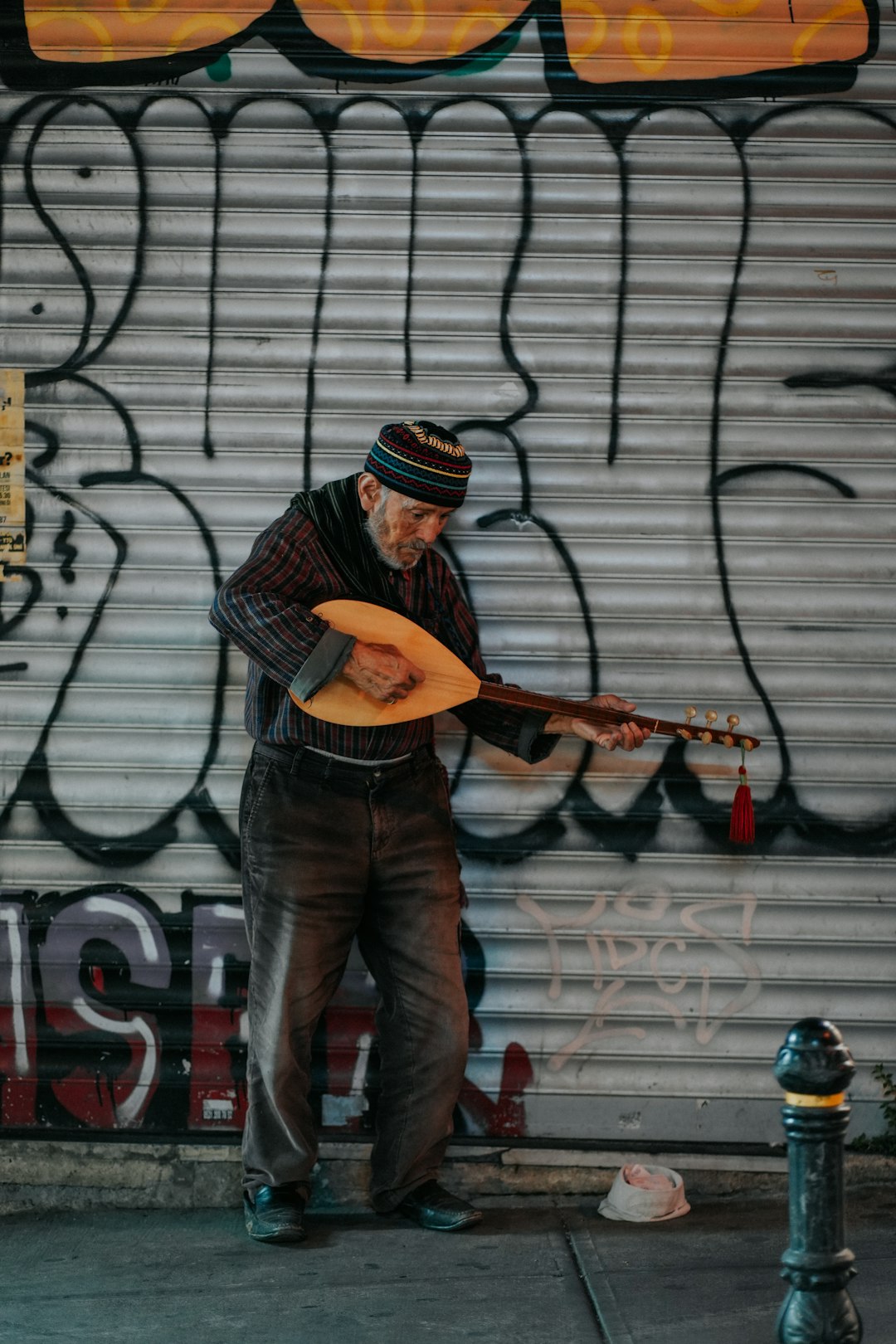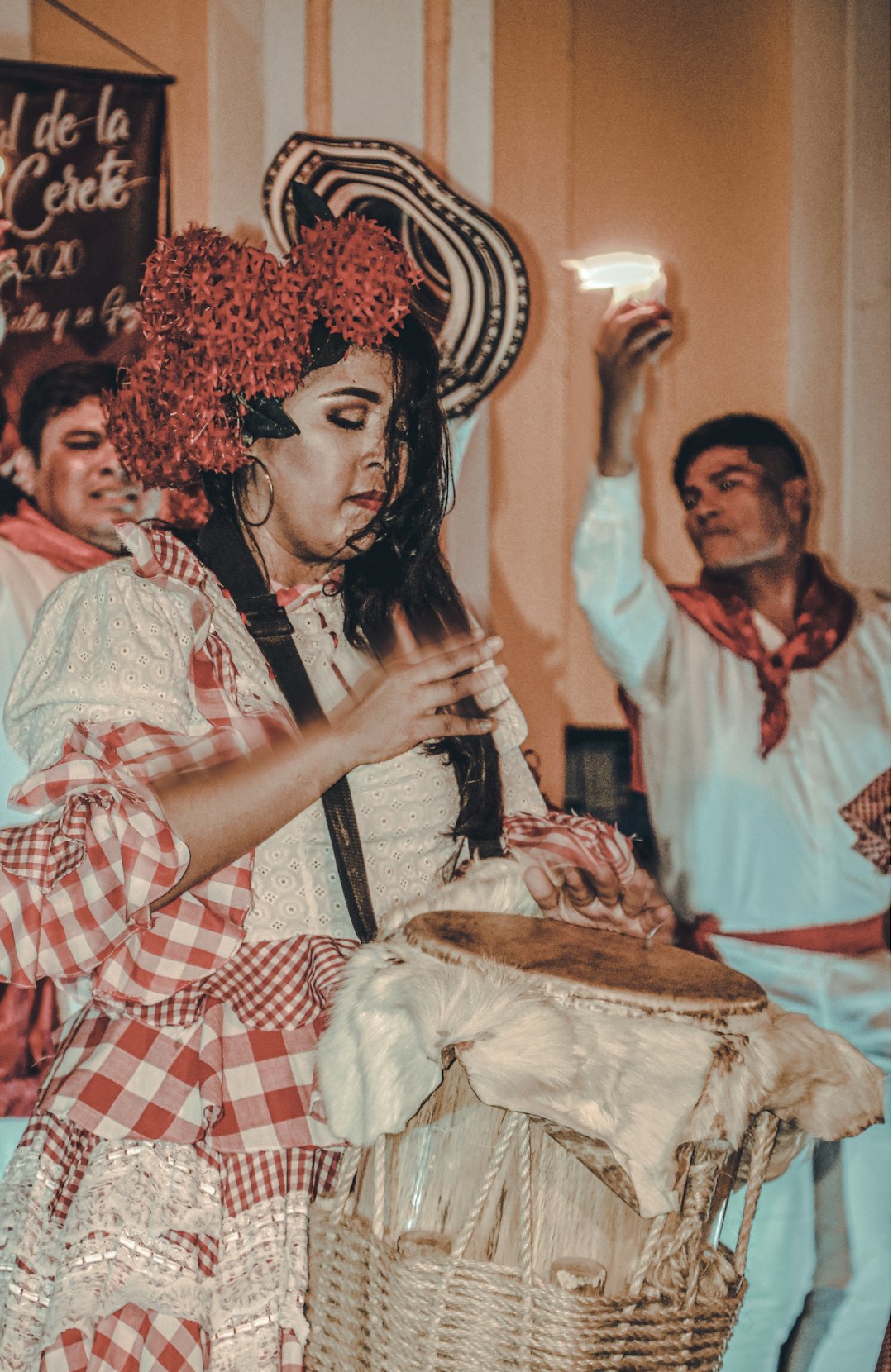
I stepped on my partner's foot three times in my first Lindy Hop class. By the end of the hour, I was grinning anyway. This is how I stumbled into swing dance—and why you might want to trip in after me.
What Drew Me In (And What Nearly Kept Me Out)
I'd watched too many YouTube clips. The aerials. The vintage dresses. The couples spinning through crowded floors with what looked like telepathic connection. I wanted that, but I arrived at my first class in Portland wearing the wrong shoes and the wrong expectations.
The reality: fifty dancers crammed above a laundromat on Tuesday nights, one squeaky floor, zero pretension. My instructor, Marcus, had been dancing for fifteen years and still got rejected for dances at socials. "That's the deal," he told me. "You learn to ask, you learn to hear no, you keep showing up."
I nearly didn't return after that first night. My rhythm was theoretical at best. But something happened during the last song—my partner, a woman named Denise who'd started six months earlier, laughed when I missed the rock step again. "You're rushing," she said. "The music's not going anywhere." She was right. I stopped chasing the beat and found it waiting for me.
Where This Dance Actually Comes From
Understanding swing's history changed how I moved. Born in the African American communities of Harlem during the 1920s and 1930s, Lindy Hop emerged as jazz music exploded and a community forged joy from segregation's constraints. The dance wasn't entertainment for others—it was theirs, a language developed in ballrooms like the Savoy where Black dancers invented aerials because the ceiling was too low for jumping.
The Great Depression shaped the dance's urgency. When everything else felt precarious, swing offered improvisation, partnership, physical abandon. This wasn't escapism exactly. It was resistance through presence—bodies insisting on pleasure when the world withheld it.
I think about this when my feet hurt or I can't find the groove. The dance has survived worse than my clumsiness.
Four Styles, Four Different Conversations
After six weeks, I tried everything my scene offered. Each style taught me something different about partnership.
Lindy Hop feels like a conversation where both partners interrupt each other perfectly. The basic step—rock step, triple step, triple step—hides inside deceptively simple footwork that explodes into aerials when the music demands. It's athletic, spontaneous, and slightly dangerous. I love it and remain terrible at it.
Balboa surprised me. Chest-to-chest connection, lightning footwork designed for crowded floors. Where Lindy wants space, Balboa thrives in compression. I danced my first complete song without stepping on anyone. Small victories.
Charleston brought 1920s irreverence intact—kicking footwork that works solo or partnered. I practiced in my kitchen. My cat was unimpressed. My downstairs neighbor less so.
Collegiate Shag felt like running while hugging. The smoothest of the four, elegant in ways I couldn't yet execute. I watched the advanced dancers and understood what I was working toward.
The Global Basement
Swing's resurgence isn't abstract. In Seoul, dancers pack basement clubs until 3 AM, the scene exploding among young professionals seeking analog connection. Stockholm's Herräng Dance Camp draws thousands each July to a former military base, three weeks of immersion where beginners and champions share the same floor.
My Portland laundromat upstairs fits somewhere in this ecosystem. The same playlists circulate. The same debates about "authentic" versus "evolutionary" styles. The same discovery that a dance nearly a century old solves contemporary loneliness surprisingly well.
The modern influences aren't just musical—though electro-swing and neo-jazz certainly appear. It's the culture of invitation: gender-neutral dance roles, explicit consent practices, deliberate efforts to honor the dance's Black origins while building inclusive community. My scene hosts monthly history sessions. We get things wrong, discuss, adjust.
What Actually Happens When You Start
You'll buy the wrong shoes first. Probably Keds, possibly with inadequate support. Someone will recommend Aris Allens or proper dance sneakers. You'll resist the expense, then surrender.
You'll develop opinions about tempo. Slow blues feels luxurious until you try to lead it. Fast tempos reveal your fitness gaps. Medium swing—120 to 140 BPM—becomes your comfort zone, then your boredom, then your challenge again.
You'll attend your first social dance and discover that "beginner-friendly" doesn't mean "embarrassment-proof." I stood against the wall for twenty minutes, too afraid to ask anyone. When I finally did, I forgot everything. We laughed. We started again.
The secret: experienced dancers remember being new. The best ones seek beginners, knowing that teaching reinforces