The first time I tried to follow a cumbia step in a crowded community center, I was a disaster. My feet felt like lead, my hips refused to cooperate, and I was painfully aware of the graceful woman next to me moving as if the music lived in her bones. I was there for a "fun cardio" class. What I got was a humbling lesson in rhythm. But something kept me coming back—the beat, the laughter, the sheer, unadulterated joy in the room. A year later, I’m not just keeping up; I’m craving it. And the fitness results? They snuck up on me in the best possible way.
It’s More Than a Workout—It’s a Story in Motion
Forget the sterile beep of a treadmill. Cumbia is living history you can dance to. Born on Colombia’s Caribbean coast, it’s a blend of African, Indigenous, and Spanish influences that originally told stories of courtship and community. That history is in the steps. The iconic arrastre—that soft, dragging shuffle—comes from a time when dancers held candles, moving carefully so the flames wouldn’t go out. You’re not just moving; you’re connecting to a centuries-old tradition.
This isn’t a monolith, either. In Mexico, cumbia got a bold, brassy makeover with tighter, twirling partnerships. In Argentina, it fused with electronic beats. Each flavor offers a different vibe, so your workout can match your musical taste, whether you love classic accordion melodies or modern synth-driven tracks.
The Body Benefits You Don’t Have to Chase
Yes, you’ll burn calories—somewhere between 300 and 500 in a solid session, similar to a good cycling workout. But that number misses the magic. You’re not grinding; you’re playing with rhythm. Those sharp vueltas (turns) send your heart rate soaring, while the steady, grounded steps in between act as active recovery. It’s interval training disguised as a party.
Your lower body will thank you in surprising ways. That constant arrastre motion awakens the tiny stabilizer muscles in your calves and ankles—the ones that protect you from a stumble on the sidewalk. Maintaining a soft, ready-to-move bend in your knees builds quad endurance without the jarring impact of jumps. And your core? It’s constantly working to keep you balanced and poised during turns and partner work, building functional strength you actually use.
The Real Hurdle Isn’t Your Fitness Level
I’ve lost count of the times I’ve heard, “I’d try it, but I have two left feet.” Cumbia’s secret is that its foundation is beautifully simple: a step, a drag, a pause. Repeat. You master that, and you’re dancing. The complexity comes later, in layers, at your own pace.
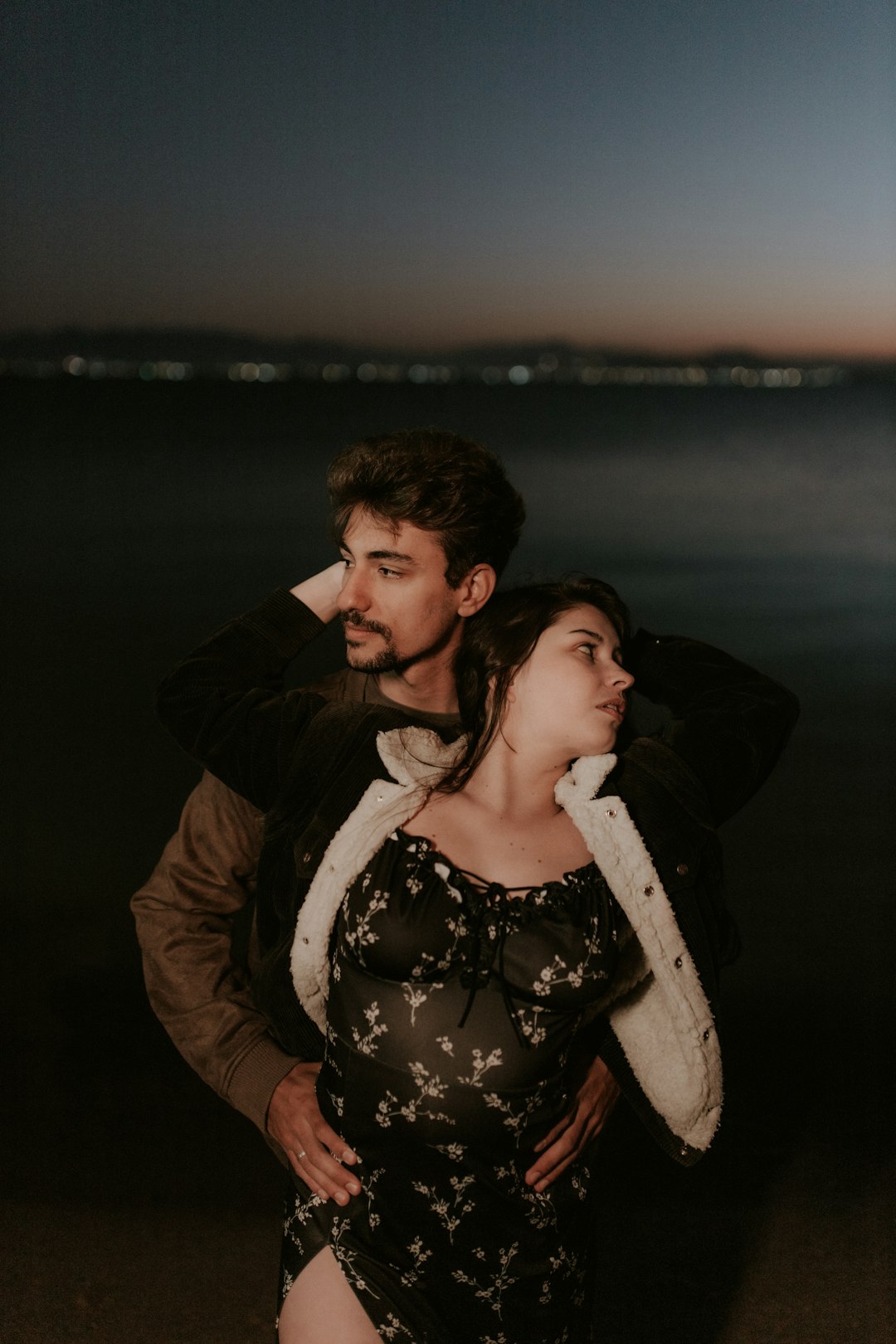
Don’t have a partner? No problem. Many traditional classes start with solo circle dances (cumbia de vuelta). Even in partner-focused styles, everyone rotates, so you’re never left stranded. And age? Please. The low-impact nature of the steps makes it accessible. In social dances, you’ll see teenagers dancing alongside grandparents, all sharing the same floor.
How to Find Your Rhythm
Dip your toes in with a search. Look for “cumbia colombiana” for traditional roots, “cumbia sonidera” for that festive Mexican sound, or “cumbia fitness” if you want a pure cardio blast without the partner intricacies. Many instructors offer free trial classes—perfect for taste-testing.
YouTube is a treasure trove for beginners. Search for “cumbia basic step tutorial” and you’ll find patient, clear breakdowns. Apps like STEEZY have structured Latin dance programs you can try at home. And don’t underestimate local Colombian or Latin cultural centers—they often host affordable social dances where the focus is on fun, not perfection.
Commit to two sessions a week. One guided class to learn, one free practice at home to let the moves sink in. Put on a cumbia playlist—start with something mid-tempo—and just feel the arrastre under your feet.
That woman who left me in the dust on my first day? She’s now my friend, Maria. She started at 51, an accountant looking for stress relief. Now, she leads the line with a grin, her confidence built one shuffling step at a time. Cumbia didn’t just get her fit. It gave her a community and a way to feel, in her words, “alive and connected.” That’s the real transformation. You don’t just find a workout. You find a rhythm that feels like coming home.