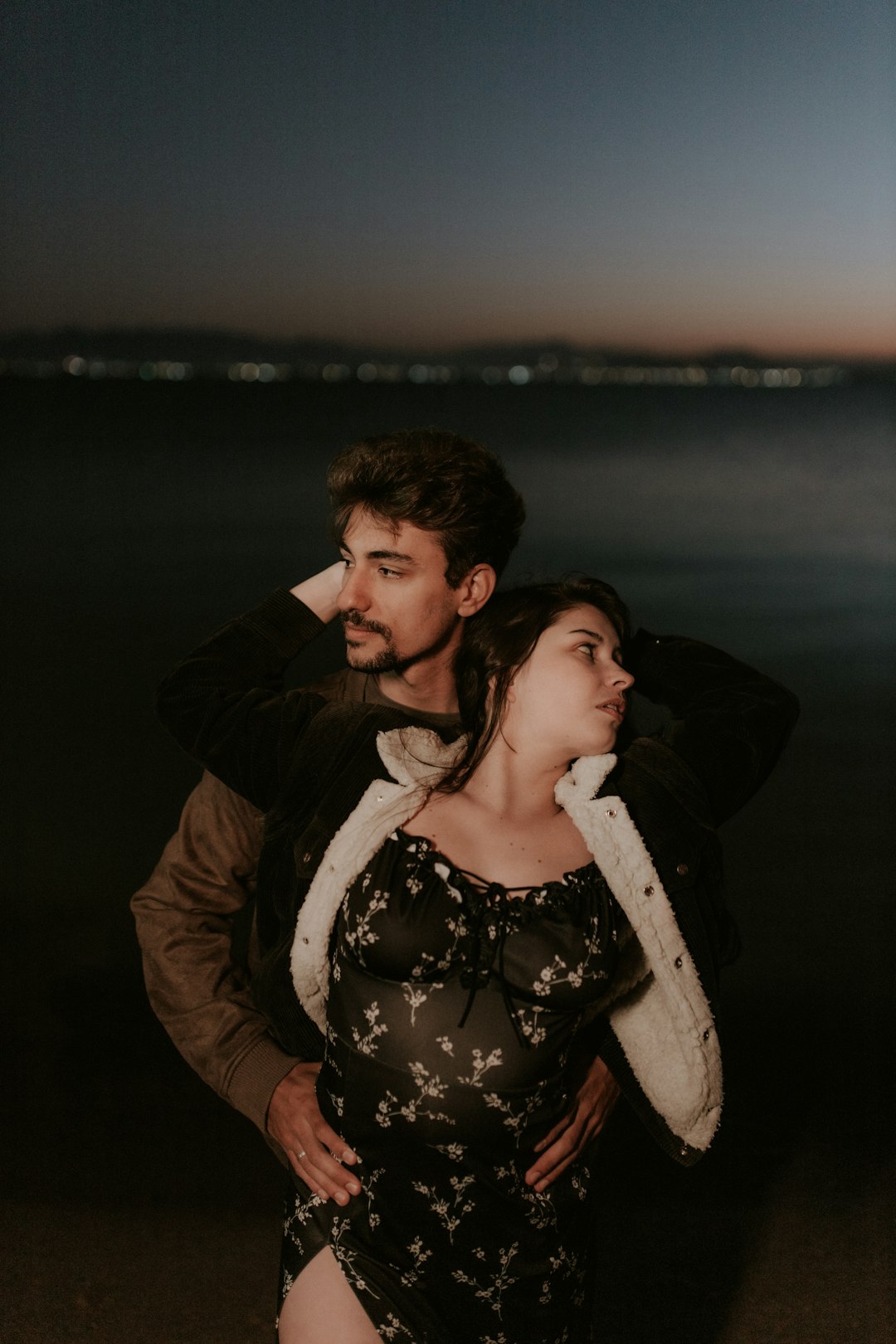
A Rhythm That Stays With You
I first heard it not in a dance studio, but drifting from a corner store in Queens—a hypnotic shuffle of drums and a single, yearning accordion line. My feet stopped. My shoulders, however, did not. They’d already found the sway. That’s the thing about cumbia: before you even know what it is, your body often already does. This isn’t just another Latin dance to add to your list. It’s a living, breathing history lesson, a courtship ritual turned global celebration. Learning its steps without understanding its soul is like singing a love song in a language you don’t speak—the melody might be there, but the meaning is lost.
It All Starts in the Circle
Forget the solo spotlight. Cumbia was born in a circle, under the Caribbean moon. Imagine: women, the keepers of light, gliding with flickering candles in hand, their movements deliberate and graceful. Men, positioned on the outer rim, moved counterclockwise with a focused, grounded energy, their feet whispering against the earth. It was a conversation without words, a story of approach and respectful distance. This isn't just folklore; it’s the DNA of the dance. When you step into cumbia today, you’re stepping into that circle. The core rhythm—the paso básico—is a conversation with the floor, a three-weight transfer that feels more like a heartbeat than a step. Left, together-tap. Right, together-tap. The magic isn’t in the complexity, but in the unwavering, subtle bounce born from soft knees, not forced hips. Let your upper body be the calm surface, and let the rhythm ripple up from the soles of your feet.
Listen Before You Move
You can’t dance to a beat you haven’t heard. So, before you even think about footwork, just listen. Cumbia is a rich tapestry of sound. Lock into the deep, steady pulse of the tambora drum—that’s your anchor. Then, let your ear catch the metallic scrape of the guacharaca, that relentless, joyful timekeeper. Finally, notice how the accordion or flute weaves its melody on top, a playful or melancholic thread to follow. Try this: just stand and mark the tambora with a gentle knee pulse. Then add a shoulder rock on the guacharaca’s scrape. Suddenly, you’re not just hearing music; you’re in conversation with it. This is the foundation of musicality—dancing with the instruments, not just on top of them.
Find a Teacher Who Knows the Roots
YouTube tutorials are great for picking up patterns, but they have a major blind spot: they can’t see you. A genuine cumbia instructor is a cultural guide. They’ll notice if your tap is too heavy, killing the lightness. They’ll see if your bounce is all in your shoulders instead of flowing from your knees. More importantly, they’ll explain the differences. The elegant, close-to-the-floor style of Colombian cumbia isn’t the same as the more extroverted, turn-heavy Mexican cumbia sonidera or the rock-infused energy of Argentine cumbia villera. Seeking out a teacher with lineage—someone who learned from their community—is how you absorb the unwritten rules: the subtle lead-and-follow in a rueda (circle) formation, the respectful way to navigate a crowded dance floor during a festival. This is the knowledge that turns steps into a language.
Make Your Practice Intentional
Putting on a cumbia playlist and dancing around your kitchen is pure joy, and you should do it often. But to grow, carve out time for focused practice. Spend ten minutes with a metronome at a slow tempo, drilling the basic step until it feels as automatic as breathing. Then, connect the dots. Can you flow from the basic into a grapevine without a hiccup? Can you shift into the caja (box step) and return to your starting point smoothly? This is building your movement vocabulary. The single best tool you have? Your phone’s camera. Record yourself once a week. Because cumbia is rotational, it’s nearly impossible to feel your own alignment. Watching the playback, you’ll see if you’re leaning too far forward, if your taps are crisp, or if your bounce has vanished. Be your own best critic, and your own biggest fan.
Beyond the Steps: Cultivating Your Flavor
Technique is your foundation, but sabor—your unique flavor—is what makes people watch. Once the basic rhythm lives in your body, you get to play. Experiment with your arms. Do you keep them low and close to your body, tracing the music’s subtlety? Or do they rise, echoing the celebratory shout of an accordion line? Play with timing. Dancing right on the beat feels driving and energetic. Letting yourself fall just a hair behind it creates a cool, laid-back vibe that’s irresistibly smooth. And don’t forget space. Traditionally, you move in that sacred circle. Practice your box step while slowly rotating. Send your grapevine in a gentle arc. Maintain eye contact with your partner as you circle, creating a private connection within the public dance.
The ultimate goal isn’t to replicate a master’s moves perfectly. It’s to be so present in the music that your own joy becomes part of the rhythm. That dancer—the one with a genuine smile, responding to the live band’s surprise break, moving with effortless authenticity—is the one who carries the true spirit of cumbia. They’re not just performing steps; they’re keeping a centuries-old conversation alive. So find your teacher, listen deeply, and let the pulse of the tambora guide you from your head to your heart, all the way down to your dancing feet.