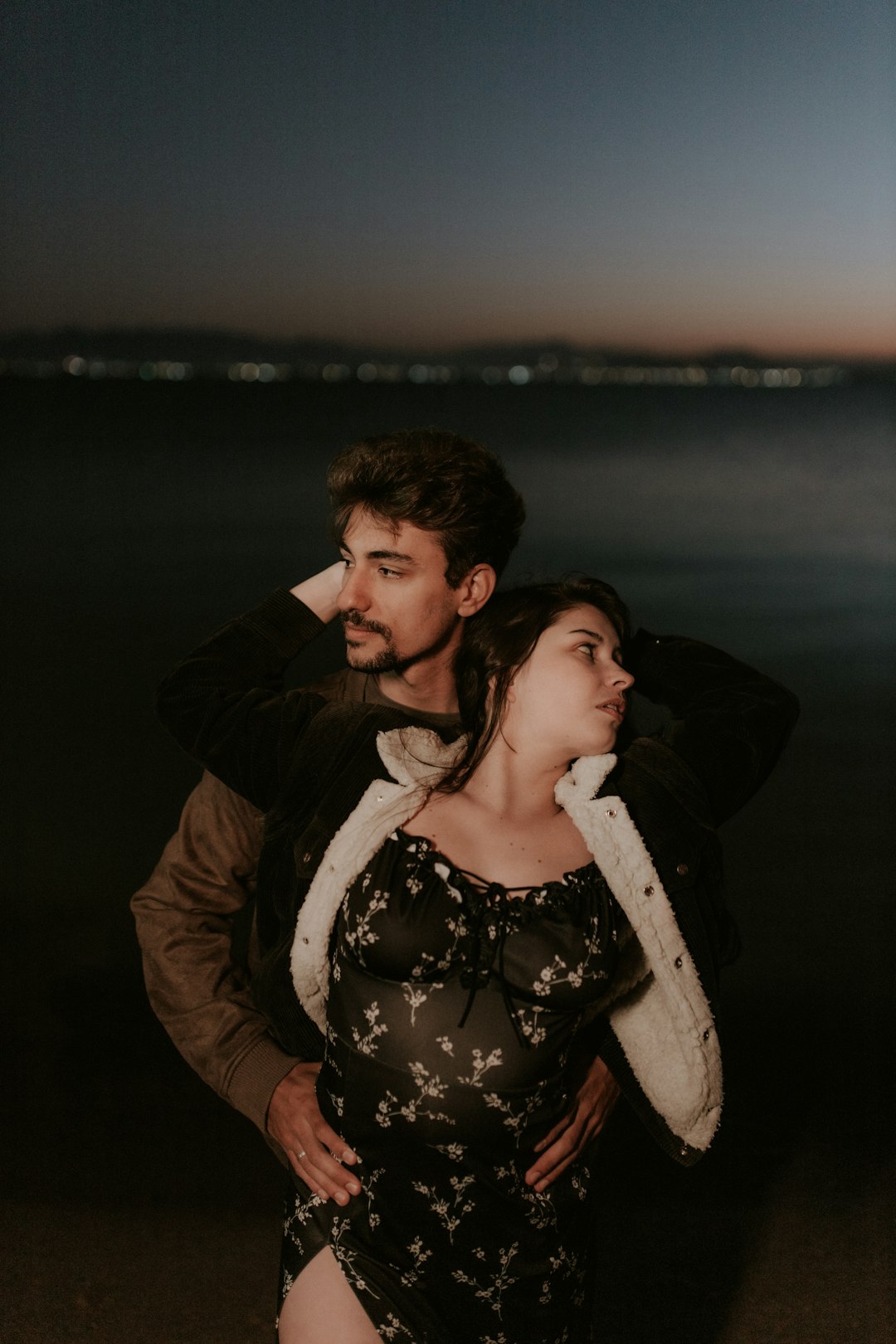
The first time you truly feel cumbia, it’s not in your head—it’s in the floor. That slow, deliberate drag of your foot across the ground connects you to something ancient, a rhythm that’s less about perfect steps and more about a conversation between your body and the earth. You’re not just learning a dance; you’re inheriting a feeling.
Forget the idea that you need to master complex routines right away. Cumbia’s magic is in its simplicity and its weight. It started with people whose feet were anchored to the ground, and that groundedness is its gift. Your journey begins by honoring that drag, that arrastre. Let’s ditch the textbook and start by listening.
Finding the Beat in Your Bones
Before you even think about footwork, just listen. Put on a classic like "La Pollera Colorá" and close your eyes. Don’t count. Find the deep, steady pulse of the tambor drum—that’s your anchor. Feel how the scrape of the guacharaca sits on top of it. Cumbia lives in 2/4 time, but that’s just a label. What matters is that heartbeat rhythm, the one that makes your shoulders want to soften and sway.
Your body already knows how to move to this. The mistake beginners make is overthinking. They try to force their feet into a pattern without first letting the music move their hips. So, before you take a single step, just stand with your knees soft and let your ribcage circle gently. That’s the core motion—everything else grows from there.
Your First Step: The Sacred Drag
Now, let’s walk. But not normally. We’re going to walk with intention.
Stand with your feet together. Step back with your right foot, not a big step, just a natural one. Now, here’s the key: instead of lifting your left foot to follow, drag it. Let the ball of your left foot skim the floor as it slowly meets your right. Feel the friction, the pull. That’s the arrastre. It’s not a shuffle; it’s a deliberate, connected movement. Shift your weight, then step forward with your right foot to return to start.
That’s it. That’s the foundation. Practice this for a few minutes each day, very slowly. Put on a slower track like Totó la Momposina’s "La Candela Viva" and just move with that drag. Let your arms hang naturally or gently hold an imaginary skirt. The goal isn’t speed; it’s to feel the connection between the scrape of your foot and the scrape in the music.
When Your Body Fights the Rhythm (And How to Fix It)
You’ll hit roadblocks. We all do.
- **The Rush:** Anxiety makes you hurry the drag, turning it into a nervous tap. The fix? Exaggerate it. Make the drag so slow it feels silly. Count out loud: "STEP... and DRAG... and." The "and" is where the magic happens.
- **The Statue Torso:** You’ll focus so hard on your feet that your upper body locks up. Solution: Give your hands a job. In one hand, lightly hold an imaginary candle (traditional for women). Let the other hand rest as if holding the edge of a skirt. These positions force your shoulders to engage naturally with the sway of your hips.
- **The Giant Steps:** You’re trying to cover ground, but cumbia is intimate, contained. Think small. Your feet should never be far from your center. This dance is about subtlety, not spectacle.
Making It Social and Yours
Cumbia is a circle dance, a conversation. Once the basic step feels like second nature, try moving. The traditional circle moves counter-clockwise. Just add a gentle pivot on the balls of your feet to change direction. Dance with a friend—mirror each other, not in perfect unison, but in shared feeling.
Don’t get stuck on "authenticity." Wear shoes that slide (suede or leather soles are perfect), not your grippy sneakers. Wear pants or a skirt that lets you move freely. Then, explore the music. Modern artists like Bomba Estéreo inject cumbia with fresh energy. Mexican legend Celso Piña speeds it up. Each variation is an invitation.
The real secret? You don’t learn cumbia. You remember it. It’s in the sway of your walk, the rhythm of your heartbeat. So put on the music, find that drag, and let the ground teach you. The circle is waiting.