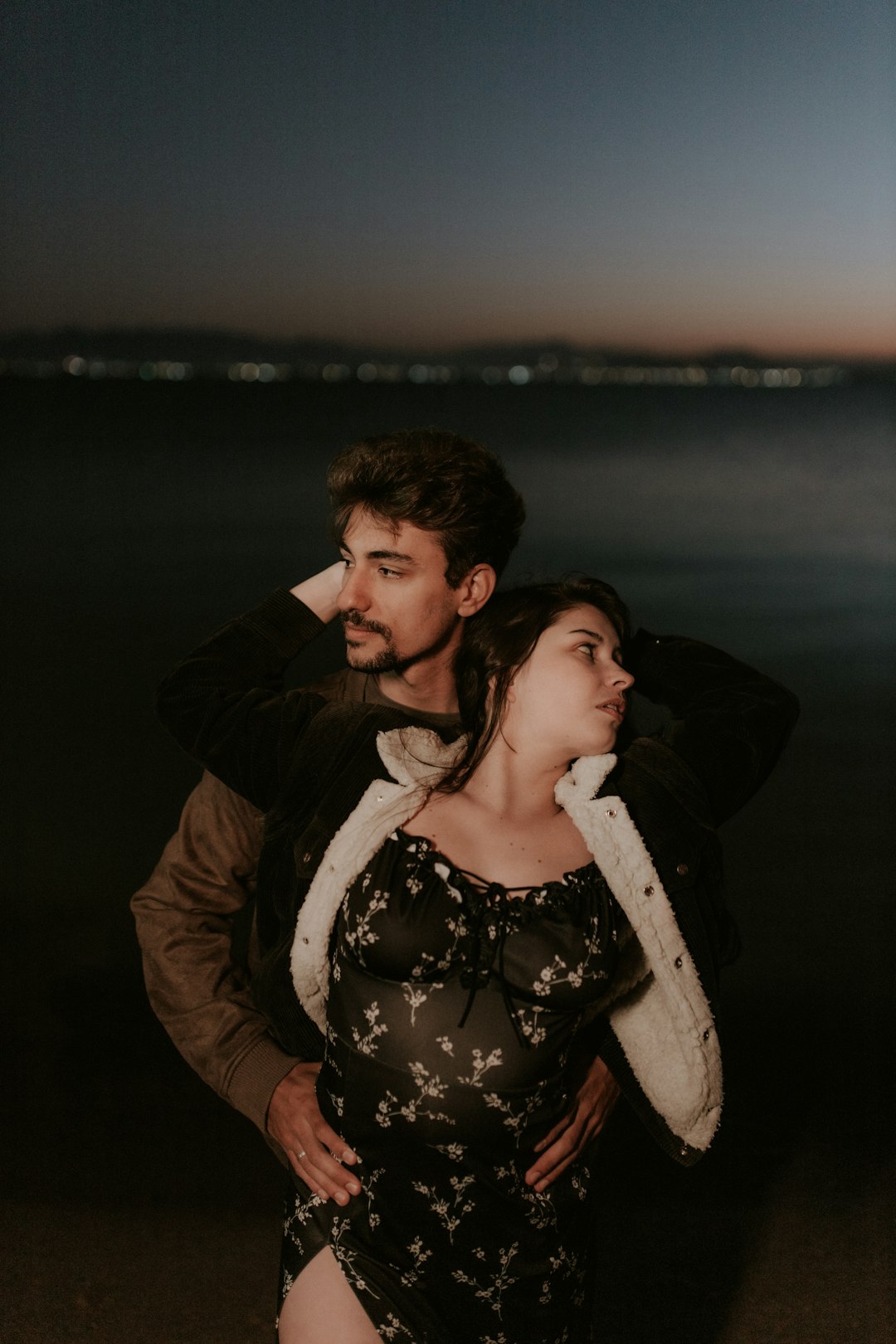
I’ll never forget the first time I truly felt a cumbia groove. It wasn’t in a polished studio, but at a crowded backyard party where a friend’s abuelo, a man well into his seventies, pulled me onto the makeshift dance floor. “No, no, mija,” he chuckled, seeing my stiff, salsa-ready posture. “Here, we don’t bounce. We listen to the earth.” That single piece of advice changed everything. Cumbia isn’t about conquering the dance floor; it’s a conversation with it.
The Rhythm That Moved a Continent
Most people hear “Latin dance” and think speed, flash, and dizzying spins. Cumbia is the soulful counterpoint. Born on Colombia’s Caribbean coast from a blend of African drums, Indigenous flutes, and European courtly dances, it started as a candlelit courtship ritual. Picture this: women gliding in circles, holding flickering flames, while men circled them with subtle, hat-tipping steps. That deep, circular connection is baked into the music’s DNA.
You feel it immediately in the sound. It’s driven by the guacharaca, a ribbed metal scraper that creates that signature “chick-a-chick” scratch over the deep heartbeat of the tambora drum. The melody often comes from an accordion, giving it a playful, almost wistful voice. The result is a rhythm that’s more of a rolling, hypnotic wave than a staccato command. It pulls you in rather than pushing you to perform.
Your Feet Already Know This Dance
Forget complicated turn patterns for now. The magic of cumbia lives in one fundamental move: the arrastre, or the drag. It’s what separates a true cumbia from just walking to music.
Here’s how to find it:
- Stand with your feet together, knees soft, weight settled into the floor.
- On count one, take a small step back with your left foot—but don’t just lift and place. **Drag the ball of your foot along the ground** as you go, like you’re smoothing out a rug.
- Count two is a simple, full weight transfer onto your right foot in place.
- Count three, step forward again with that left foot, small and controlled.
- Count four is a light tap or pause as your right foot meets the left.
That’s it. The whole universe of cumbia is in that drag. It creates a grounded, swaying motion, like you’re wading through warm water. The biggest mistake I see beginners make? Lifting their feet too high and bouncing. Cumbia is a low-to-the-ground dance. Keep your knees bent, your torso quiet, and let your hips trace lazy figure-eights. Don’t fight the rhythm; sink into it.
Building Your Cumbia Ear
Your body will follow what your ears learn to love. The music varies wildly across Latin America, and your playlist is your best teacher.
Start with Celso Piña’s “Cumbia Sobre el Río.” This is cumbia rebajada—slowed down, heavy on the accordion, and impossibly smooth. It’s perfect for feeling the groove without rushing. When you’re ready for more energy, dive into the classic sound of La Sonora Dinamita and their iconic “Se Me Perdió la Cadenita.” For a modern, festival-ready vibe that still respects the roots, Los Ángeles Azules and “El Listón de Tu Pelo” is pure, joyful sonidera.
From Your Living Room to the Dance Floor
Once that basic step feels like second nature (give it a few dedicated practice sessions to music), the dance opens up. You can add a simple half-turn on the spot, or experiment with leading and following in a partner hold. The key is to never lose that connection with the floor.
The best place to learn isn’t from a generic “Latin Cardio” video. Look for classes specifically titled “Cumbia Colombiana” or social nights labeled “Cumbia Sonidera.” Community centers in neighborhoods with strong Colombian or Mexican communities are often goldmines for authentic, welcoming workshops. Don’t be shy—show up early, listen to how the instructor breaks down the music, and remember what my friend’s abuelo taught me: this dance is a gift, meant to be shared with a patient heart and feet that listen first.