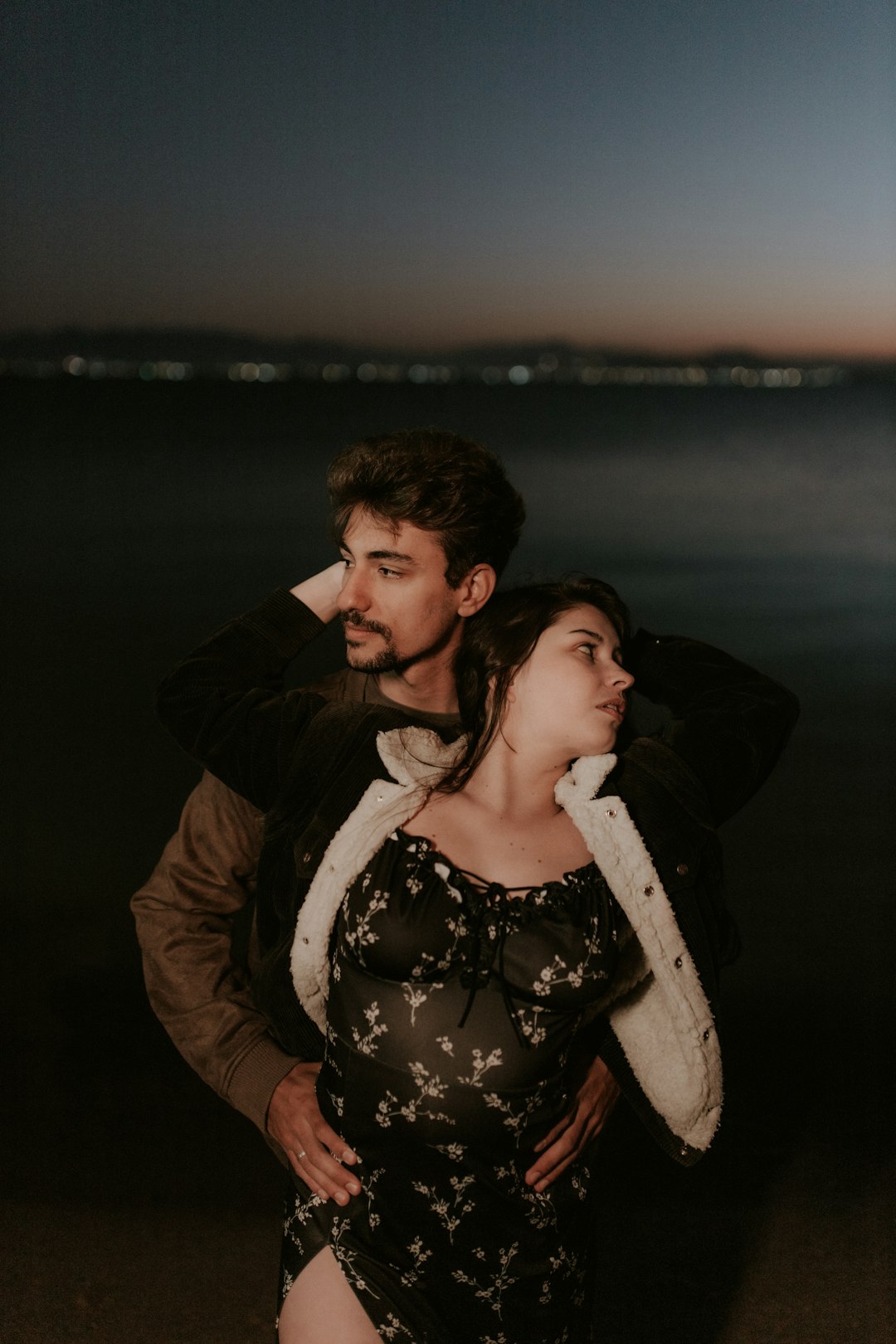
You feel it in your bones before you understand it in your head. That syncopated skip in the accordion, the scrape of the guacharaca—it’s a rhythm that grabs you by the hips and pulls you into a story far older than any club hit. I first stumbled into cumbia not in a polished studio, but at a family party, watching my friend’s abuela move with a quiet, earthbound grace that made the rest of us look like we were jumping at shadows. “Stop trying to dance on the music,” she laughed, pulling me aside. “You have to let it move through you.” That’s the secret of this dance. It’s less about perfect steps and more about learning to listen with your whole body.
A Dance Woven from Three Shores
Cumbia isn’t just a Colombian export; it’s a living archive of collision and survival. Picture the Caribbean coast centuries ago: the deep, driving pulse of African drums, the haunting call of Indigenous gaita flutes, and the bright squeeze of an accordion that arrived with German traders. Enslaved people, often with chains on their ankles, forged a new movement. They kept their steps low and connected to the sand, a quiet rebellion and a celebration of resilience. When you dance cumbia, you’re stepping into that riverbank circle. The grounded drag of your foot isn’t just a technique—it’s a memory.
This is why the dance feels so different from salsa or merengue. There’s no bounce. Instead, there’s a deliberate, sensual settling. Think of it as a conversation with gravity. You’re not leaping; you’re rooting. Whether you’re learning the slower, circular Colombian style or the faster, more upright Mexican variant, that connection to the floor is the non-negotiable heart of it.
The First Secret: It’s All in the Drag
Forget counting to eight in your head. Start by just listening to a classic cumbia track—Los Hispanos or Grupo Celúloide are perfect. Isolate that skipping heartbeat in the rhythm: daa-da-da, daa-da-da. That’s your guide.
The foundational step, the arrastre, is a masterclass in controlled weight transfer.
- Let your right foot step forward, planting your whole weight into the floor like you’re testing the sand.
- Now, for the magic: as you bring your left foot to meet it, *don’t put weight on it*. Let it be a whisper, a drag across the surface. Your right hip will naturally release downward. That’s not a shake you force; it’s a consequence of the shift.
- Hold that feeling. Then step back with the left, and drag the right to meet it.
It feels awkward at first, even clunky. That’s the point. You’re unlearning the urge to be light and bouncy. Your power here comes from being planted. Do this in your kitchen in socks. Feel the slight stick and release of your foot on the floor. This is where the dance lives.
From Mechanic to Musical: Where the Style Blooms
Once that drag becomes second nature—when you can do it while half-watching TV—the real play begins. Styling isn’t decoration; it’s your personal conversation with the music.
- **The Opposition:** As your unweighted foot drags in and that hip releases, let the opposite shoulder roll gently back. It creates a subtle, flowing coil through your torso, like a wave moving from your hip to your shoulder. This is the essence of the coastal Colombian look—relaxed but deeply coordinated.
- **The Circular Walk:** Social cumbia isn’t a line dance. It’s a orbit. Imagine you’re tracing a small circle around a partner. Use that same weighted drag, but now step slightly to the side, then forward, then back, creating a continuous, gliding loop. You’re not traveling across the floor; you’re revolving within your space.
- **The Hip “Accent”:** On the third count (the hold), let your settling hip drop a fraction deeper, as if it’s finally finding its pocket in the music. It’s a punctuation mark, not a sentence. A whisper, not a shout.
Practice Like You’re Listening, Not Training
Ditch the hour-long drill sessions. Cumbia rewards sensitivity, not sweat. Put on a song you love—maybe “La Pollera Colorá” or “Cumbia Sobre el Río”—and give it just ten minutes of your full attention.
- For the first three minutes, just do the basic drag. Eyes closed. Feel where your weight is. Is your heel lifting? Is your upper body stiff?
- Next three minutes, add the shoulder roll. Don’t think about it too hard; just let it happen in time with the drag.
- Use the last few minutes to play. Try the circular path. Put two moves together. Laugh when you stumble. The goal isn’t perfection; it’s internalization.
You know you’re getting it when you stop thinking about the count and start feeling the pull of the guacharaca’s scrape. The dance stops being a sequence and becomes a response. That’s when you’re not just moving to cumbia—you’re speaking its language, one grounded, hip-led sentence at a time. And trust me, your body will remember the lesson long after the music stops.