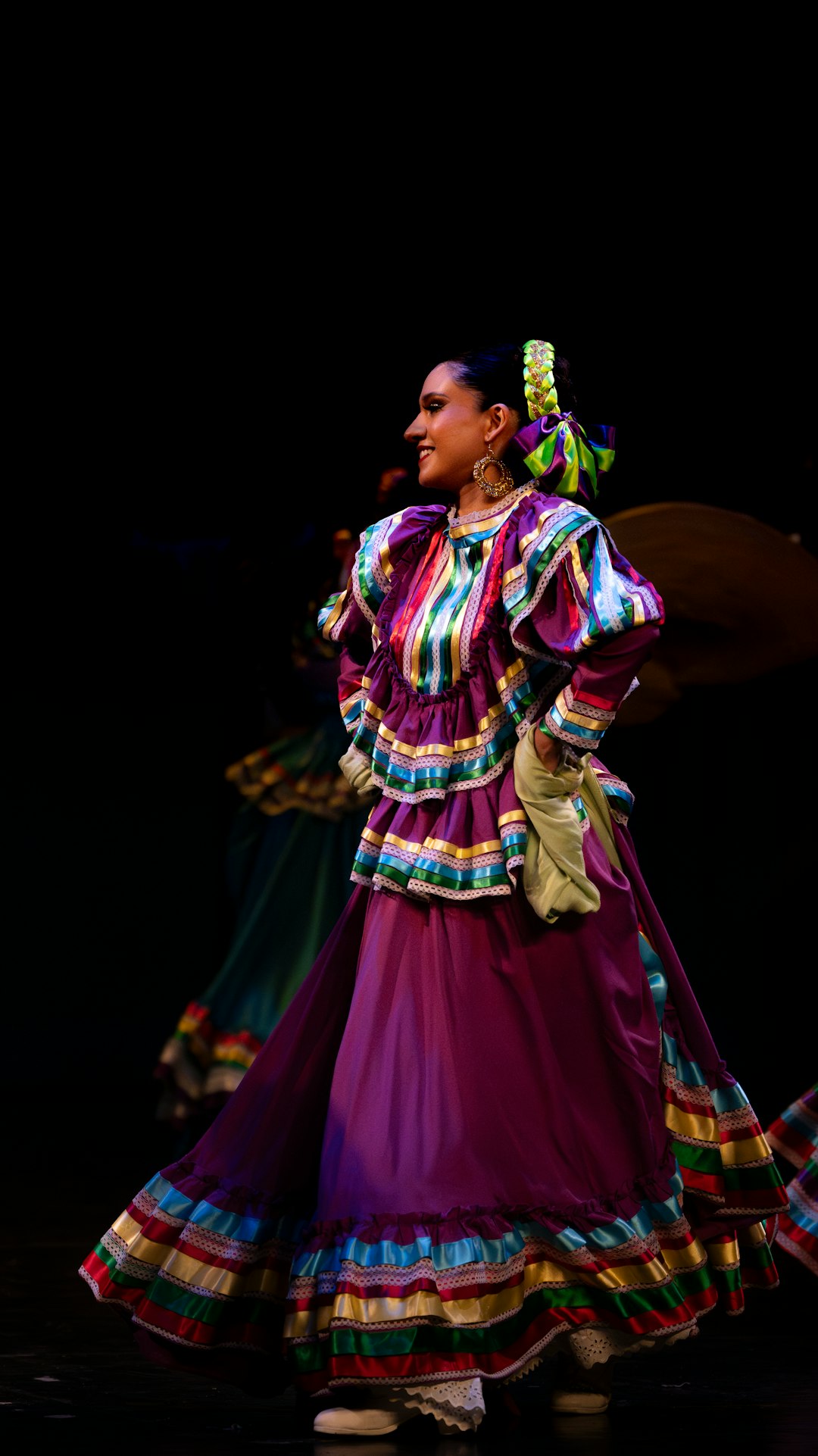
The best tango outfit disappears the moment you step onto the floor—present enough to turn heads during the cortina, invisible enough that you never once adjust a strap mid-tanda. Finding that equilibrium between look at me and let me move is the central challenge of dressing for Argentine tango. Whether you're assembling your first milonga outfit or refining a seasoned wardrobe, here's how to build dance wear that works as hard as you do.
Choose Fabrics That Move With You
Forget everything you know about "dressing up." Tango demands fabrics that feel like a second skin—present enough to look polished, absent enough to let you execute a perfect boleo without resistance.
What to look for:
- Four-way stretch knits with 5–10% elastane content for followers' dresses and skirts
- Cotton-Lycra blends with 2–3% elastane for leaders' shirts and pants
- Lightweight jersey, modal, or technical dance fabrics that wick moisture during steamy milongas
What to avoid: Heavy silks that don't breathe, stiff brocades that restrict torso rotation, and anything without give in the weave. If you can't comfortably raise your arms overhead or execute a deep lunge, the fabric has already failed you.
Master the Cut and Fit
Fit in tango isn't about trend—it's about physics. Every restriction in your clothing becomes a limitation in your dance.
For followers: Aim for dresses and skirts with 2–3 inches of ease at the hip, allowing clean execution of ochos, ganchos, and leg wraps without fabric pulling or riding up. A-line and fishtail silhouettes move beautifully; pencil skirts require strategic slits. Consider how skirt length affects leg visibility—midi lengths flatter without obscuring footwork.
For leaders: Prioritize pants with stretch through the thigh and a waistband that sits securely without compression. A gusseted crotch (common in dance-specific trousers) prevents binding during deep lunges and sacadas. Shirt length should stay tucked through full arm extension—nothing breaks connection like fishing a shirttail from your waistband.
Add Intentional Style
Tango rewards drama, but strategic drama. The most captivating outfits combine one statement element with refined simplicity elsewhere.
Details that work:
- Asymmetrical necklines or single-shoulder cuts
- Strategic lace insets that provide ventilation and visual interest
- Subtle beading or soutache that catches light without adding weight
The partner safety rule: Any embellishment must pass the "catch test." Run your hand across sequins, fringe, or appliqué—if it snags your palm, it will snag your partner's sleeve. Save elaborate fringe for solo practice; in partner dance, it tangles and obscures connection.
Invest in Proper Footwear
Your shoes are your instrument. Compromise here, and every step suffers.
For followers:
- Heel height: 2 to 2.5 inches for social dancing; 3+ inches reserved for performance
- Heel style: Flared heels provide lateral stability for pivots; stilettos require advanced ankle strength
- Sole: Leather allows the controlled slide essential to tango's smoothness; suede-bottomed practice shoes offer grip for learning
For leaders:
- Heel style: Cuban or lower straight heels (typically 1 to 1.5 inches)
- Sole: Leather, always. Rubber soles create dangerous sticking that strains knees during pivots and ochos.
The break-in ritual: Never debut new shoes at a milonga. Wear them for short practice sessions, gradually extending duration. Your feet—and your partners—will thank you.
Accessorize With Restraint
The best tango accessory is confidence. Everything else should support, not compete.
What works: Simple, secure pieces—a single statement earring (not a matched pair that swings asymmetrically), a sleek hair comb that actually grips, a pocket square that stays folded. Choose materials that won't heat up against skin during close embrace.
What to skip: Dangling necklaces that fall between partners, bracelets that clack on contact, rings that catch in fabric. If you find yourself touching it more than once during a tanda, remove it.
Dress for the Specific Milonga
Not all tango events share the same sartorial expectations. Misreading the room creates unnecessary self-consciousness.
| Venue Type | Typical Attire | Notes |
|---|---|---|
| Practica | Practice wear, clean casual | Jeans acceptable; prioritize movement over appearance |
| Neighborhood milonga | Elevated casual to semi-formal | First steps toward milonga dress; still forgiving |