The First Drop (And the Second, and the Third)
The silk caught on my hip bone, crumpled to the floor, and took my confidence with it. I'd been belly dancing for two years, thought I had decent isolations, figured veil work couldn't be that different. Wrong. That rectangular piece of fabric had a personality—stubborn, slippery, and strangely judgmental.
I'd signed up on a whim. A fellow dancer at the Cromberg City community center whispered that Layla El-Din was opening a small veil intensive, something she only did twice a year. "She's picky," my friend warned. "And she'll make you cry with a five-yard piece of chiffon." Sounded dramatic. I was in.
When the Prop Becomes Part of You
Layla doesn't start with flourishes. Week one, we spent forty minutes just learning how to hold the thing. Fingers too tight and the veil suffocates the movement. Too loose and it slides away like a distracted ghost. "The veil isn't decoration," she said, adjusting my wrist angle with the kind of precision that comes from twenty years of stage time. "It's your partner. And right now, you're stepping on its feet."
That metaphor stuck. The breakthrough came around week three, during a rainy Thursday session in her converted warehouse studio near the old Cromberg train depot. The radiators hissed. Someone's phone buzzed in her bag. And somehow, mid-taxeem, the silk stopped fighting me. It floated. It responded. For about six seconds, I wasn't a woman holding fabric—I was moving through water with my own current trailing behind.
The Details Nobody Tells You
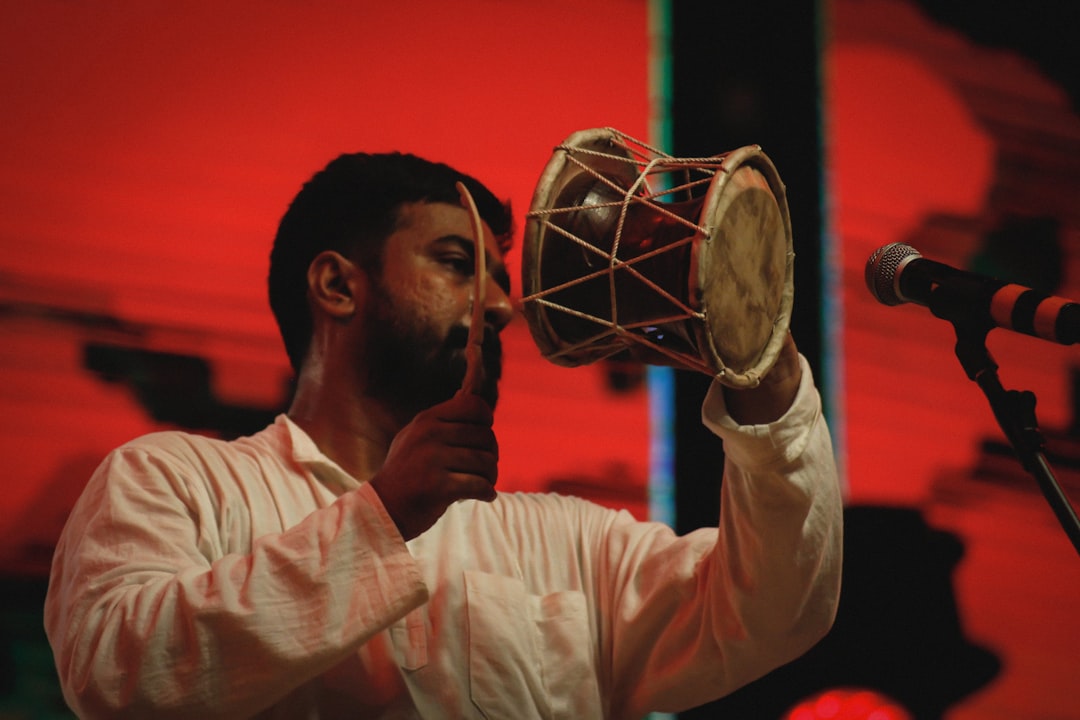
Here's what surprised me. Layla's method isn't about looking pretty. It's about physics and storytelling. She'll stop a whole class to demonstrate how afternoon light hits translucent silk differently than stage spots. She brings in musicians—actual oud and dumbek players—so you learn to catch the veil on a drum accent instead of counting mechanically in your head. One afternoon, she made us practice with our eyes closed, just to feel the air displacement.
The class is small. Eight of us, max. That means you can't hide in the back row pretending to know what you're doing. Layla notices everything: a locked shoulder, a breath held too long, that little hop-step people do when they're nervous. "You're apologizing to the air," she told Marcus, a theater actor who'd joined to expand his movement vocabulary. "Stop saying sorry with your feet."
The Night It All Clicks
The intensive builds toward a low-key studio showcase—nothing intimidating, just the group, a few friends, some tea and dates on folding chairs. I almost skipped it. Imposter syndrome is real when you've spent weeks watching your veil end up in your face during butterfly turns.
But something happens under lights. The same silk that betrayed you in rehearsal suddenly remembers its job. I chose deep burgundy—Layla's suggestion for my skin tone, not the turquoise I'd originally picked. When the music started, I didn't think about technique. I thought about the story we'd built: arrival, hesitation, surrender, flight. The veil became the emotion I couldn't quite name yet.
Afterward, Nadia—a marketing executive who's been taking Layla's classes for three years—found me packing my bag. "You're different now," she said. Not "good." Different. She meant the fabric had rewired something in how I occupied space.
Your Veil Is Waiting
Cromberg City has dance studios on every other corner. Most of them will teach you steps. Layla's intensive teaches you relationship—with the music, with your own breath, with a piece of silk that suddenly has opinions.
The next session opens in March. Only six spots this time. If you've ever watched a veil dancer and wondered how the fabric looks alive instead of dragged around, this is where that answer lives. Bring water, wear layers, and leave your ego by the train depot door.
That silk has things to teach you. Mostly about letting go.