The Split-Seam Epiphany
I'll never forget the rehearsal where my "stretchy" leggings gave up during a grand battement. One second I was hitting a high kick, the next I heard the unmistakable rip of fabric. The room went quiet. My face went red. And I learned that "cotton blend" is sometimes code for "will abandon you when you need it most."
That afternoon, I raided my dance bag and started over. If you're serious about jazz—whether you're nailing Fosse-inspired isolations or throwing yourself into a sassy Broadway combination—your clothes need to be teammates, not traitors.
What Your Fabric Is Actually Doing Up There
Cotton feels nice in line at the grocery store. On stage under hot lights? It's a sponge that weighs you down and chafes in places you didn't know could chafe.
Real jazz dance clothes earn their keep through motion. We're talking fabrics with memory—materials that snap back after you've folded yourself into a jazz split or twisted through a barrel turn. Nylon-spandex blends, high-quality lycra, and moisture-wicking performance knits don't just tolerate sweat; they ignore it. They stay put during pirouettes. They don't bunch up when you drop to the floor.
Last spring, I switched to a pair of double-layered mesh shorts for a contemporary jazz piece. The difference was immediate. Instead of adjusting my waistband between counts, I was actually listening to the music. Revolutionary concept, right?
The Fit Paradox
Here's where dancers get stuck. Your outfit needs to be tight enough that your teacher can see whether your knee is actually straight, but not so tight that you can't breathe through an eight-count phrase.
I've seen girls show up in streetwear hoodies three sizes too big, swimming in fabric, wondering why they can't find their alignment. I've also seen the opposite—costumes so restrictive that a simple contraction looks like a robot malfunctioning.
The sweet spot? Form-fitting without compression torture. A snug tank or bra top that stays put when you invert. Jazz pants or biker shorts that sit at your natural waist and don't require a tug every thirty seconds. When you try something on, replicate your worst dance move in the dressing room. If you have to adjust anything, it's a no.
Color Isn't Just Decoration
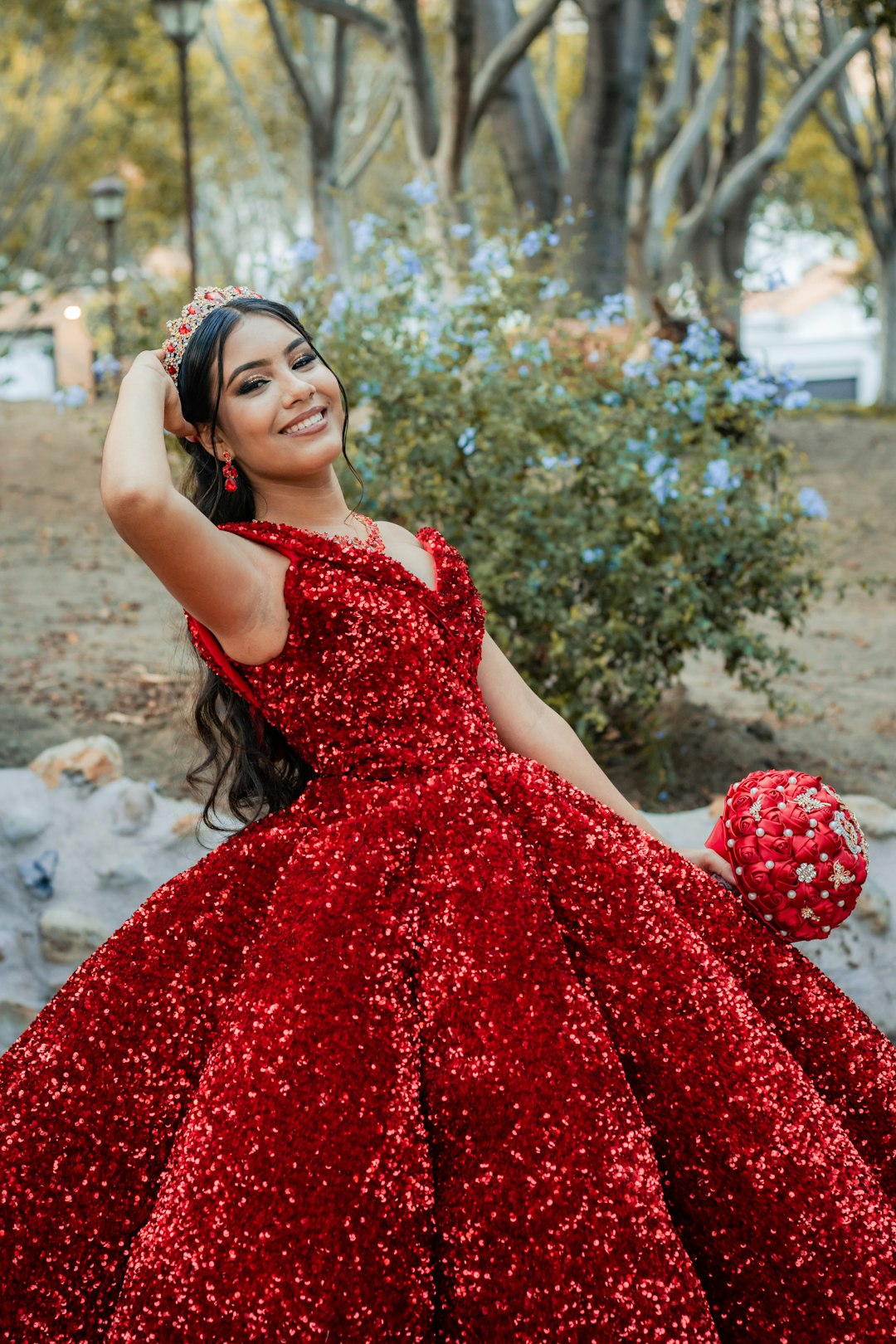
My first recital costume was fire-engine red with silver sequins. I was twelve, mortified, and certain I'd look ridiculous. Then I stepped under the lights.
Red didn't just show up—it screamed. Every fan kick caught the light. Every head snap read from the back row. That costume taught me something: in jazz, color is volume. It's the difference between whispering your choreography and shouting it.
These days, I think about my palette before I choreograph. A slinky midnight-blue unitard for a moody, slow-tempo piece. Bright coral or electric teal when the music's got that brassy, staccato energy. Neutrals have their place, but ask yourself: do you want to blend into the marley floor, or do you want the audience to see the exact moment you nail that tilt?
Shoes: The Silent Partner
Let's talk about the real MVP of your jazz wardrobe. I've watched dancers spend $200 on a costume and then grab decade-old jazz shoes with holes in the soles. Madness.
Split-sole jazz shoes changed the game for me. The flexibility lets your foot articulate through pointed toes and quick direction changes without fighting the shoe. For harder-hitting street-jazz or theater pieces, a low-heeled character shoe gives you weight and stability. Barefoot? Gorgeous for contemporary work, but know your floor. A splinter during a layout is not the kind of drama you want.
Break them in before performance day. Nothing kills a ball change like stiff leather biting into your heel.
Making It Yours
The best jazz outfit I've ever worn wasn't expensive. It was a thrifted black mesh top layered over a neon sports bra, paired with high-waisted shorts I already owned. I added a single ribbon tied around my thigh. That ribbon became my thing—my marker, my ritual.
Jazz is built on individuality. The greats didn't wear uniforms; they wore signatures. Find yours. Maybe it's a specific cut of leg warmer. Maybe it's always wearing your hair a certain way, or a particular shade of lipstick that makes you feel bulletproof.
Don't let a costume define you. Let it amplify what's already there.
One Last Thing
The right jazz dance clothes won't make you a better dancer. Only class time and bruised knees do that. But the wrong clothes? They'll distract you, limit you, and occasionally split open in front of your entire studio.
Dress like you mean it. Move like nobody's watching. And if your pants do rip? Hit the final pose anyway. That's jazz.