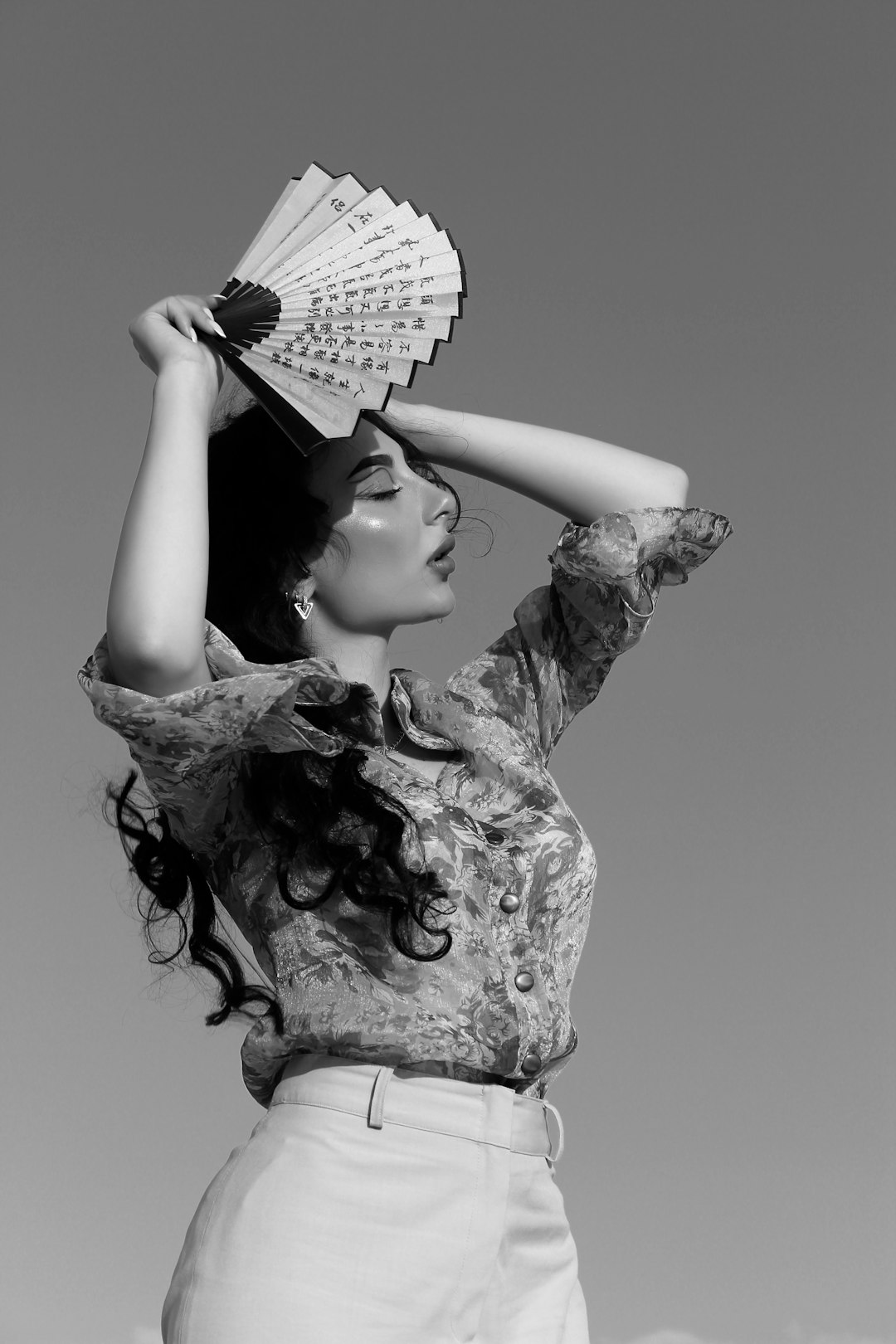
The Strap Break Heard 'Round the Studio
Three counts into a kick line last spring, I heard the snap. My camisole strap gave up, and suddenly I was doing the rest of the combination while clutching fabric to my shoulder and praying the teacher wouldn't call us out for individual critique. That’s the thing about jazz—it's fast, it's athletic, and your clothes are either with you or they're absolutely not.
After fifteen years of classes, competitions, and one memorable performance where my "stretchy" jeans proved they were, in fact, not stretchy at all, I've developed some strong opinions about what belongs on a jazz dancer's body. Not fashion opinions—survival opinions.
Fabric Is Everything (And "Cute" Isn't a Fabric)
Walk into any dance store and you'll see racks of shiny, bedazzled tops that look incredible on the hanger. Half of them move like cardboard once you're warm. Jazz isn't a polite art form. You're doing splits, drops, sharp isolations, and movements that would make regular gym clothes cry.
What you want lives in the spandex-nylon family, ideally with some moisture-wicking built in. Cotton feels lovely when you first pull it on, but twenty minutes into a Bob Fosse-inspired routine, it's a damp, heavy regret. Good jazz fabric springs back. It doesn't bag at the knees after floor work. It lets your skin breathe without letting everything show through when you're upside down in a stretch.
The Goldilocks Problem: Fit That Actually Works
Too loose and you're hiking up waistbands between eight-counts. Too tight and you can't breathe through the choreography, let alone add your own flair. Jazz clothes need to hit that sweet spot—secure enough that you're not adjusting, free enough that you can throw your full extension into every move.
For bottoms, I live in high-waisted leggings or jazz pants that sit right at my hip bone. Nothing slides. For tops, a medium-compression fit keeps everything in place during turns but doesn't make me feel like I'm wearing armor. The test? Put it on and do a full grand battement in the fitting room. If you're thinking about your clothes, keep looking.
Reading the Room (Or the Routine)
Not all jazz asks for the same wardrobe. A sassy Broadway-style class? I'm reaching for my black jazz pants, a fitted camisole, and character shoes with that perfect little heel. Contemporary jazz with lots of floor work? Cropped leggings and a tight tank so I'm not getting tangled in extra fabric. If hip-hop influences are creeping in, a sturdy sneaker becomes your best friend—those split-sole jazz shoes won't survive a hard-hitting routine.
My teacher used to say, "Dress for the dance you're doing, not the dance you wish you were doing." She was right. Showing up to a classical jazz class in baggy streetwear is as awkward as wearing a tutu to a heels class.
The Devil's in the Seams
Here's something beginners never think about: the inside of your clothes matters more than the outside. Flatlock seams prevent the chafing that becomes absolute misery during a two-hour rehearsal. Waistbands should be wide and covered—nothing digs in when you're folding in half for a stretch. Zippers are a personal nightmare of mine; they break, they pinch, and they always seem to fail at the worst possible moment.
As for embellishments? A little sparkle never hurt anyone, but sequins near the underarm or lace that catches on your fingernails will destroy your focus. If it catches the light beautifully but feels like sandpaper after ten minutes, leave it for the audience's outfit, not yours.
Your Shoes Are Talking—Make Sure They're Saying the Right Thing
Jazz shoes are the most underrated piece of the puzzle. Split-sole shoes give you that beautiful arch visibility and flexibility for pointed feet. Full soles offer more support when you're learning. Character shoes bring the Broadway vibe. And if you're in a fusion class, don't be precious about it—good dance sneakers exist for a reason.
Break them in before class. Nothing derails a performance like blisters forming during the across-the-floor sequence. I keep a rotation: one pair for class, one older broken-in pair for long rehearsals, and my performance shoes that only see stage time.
Making It Yours Without Losing Function
Once you've got the technical stuff locked down, the fun begins. I have a bright red pair of leggings that make me feel unstoppable in any routine. My rehearsal tank has a small bleach stain from a costume emergency, and I refuse to retire it because it's lucky now. Maybe you're a monochrome person. Maybe you love patterns that clash. The confidence boost of wearing something that feels like you is real—just make sure "you" doesn't include straps that fall down or fabric that goes see-through when you sweat.
The Last Eight-Count
The best jazz dancers I know all have one thing in common: when the music starts, you stop noticing what they're wearing. Their clothes become invisible because they fit that well, move that well, and let the dancer do what they're there to do. That's the goal. Not to look like a catalog model, not to impress anyone with your brand names—to move without hesitation and trust that your gear won't quit before you do.
Now go find something that can keep up with you. The music's already playing.