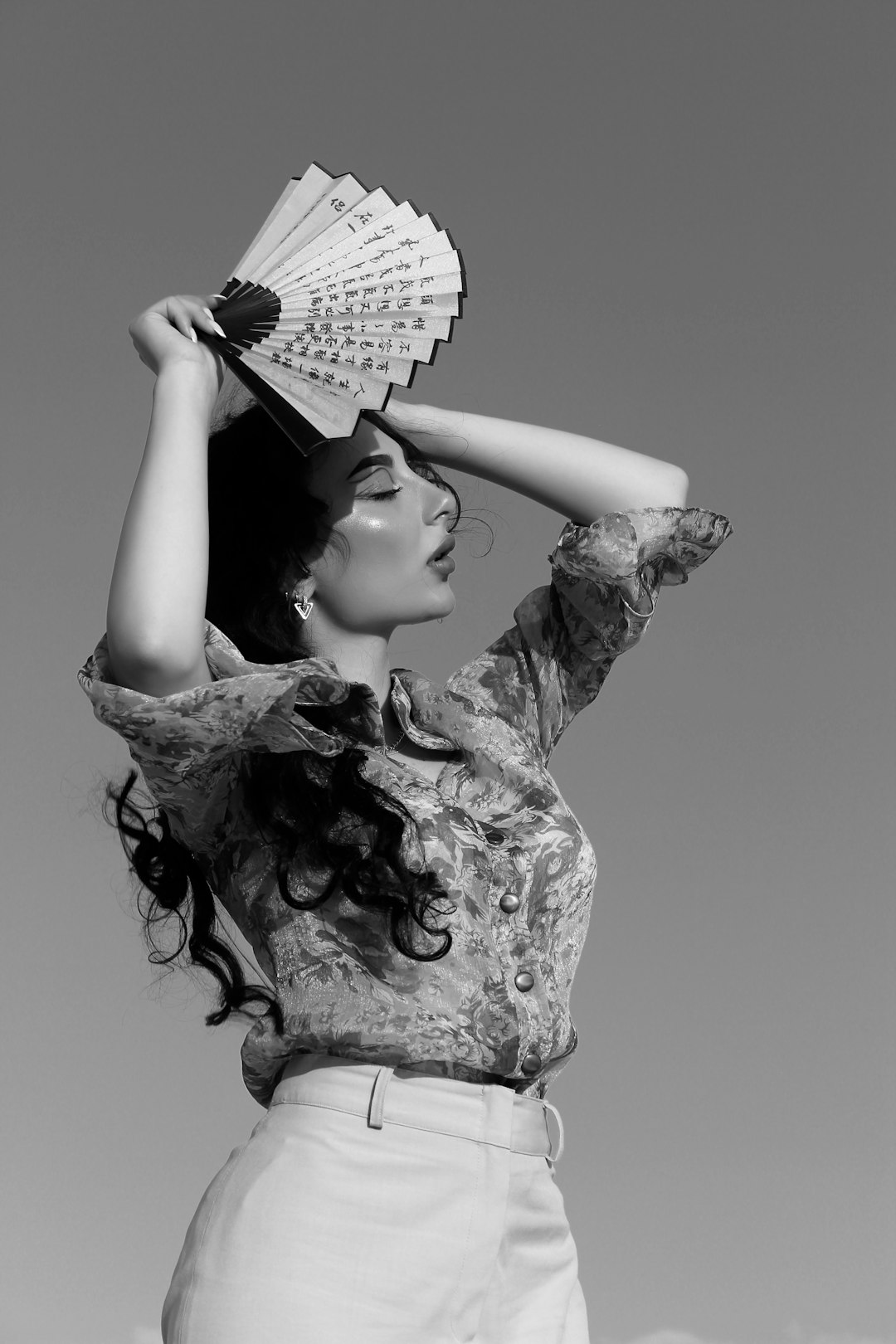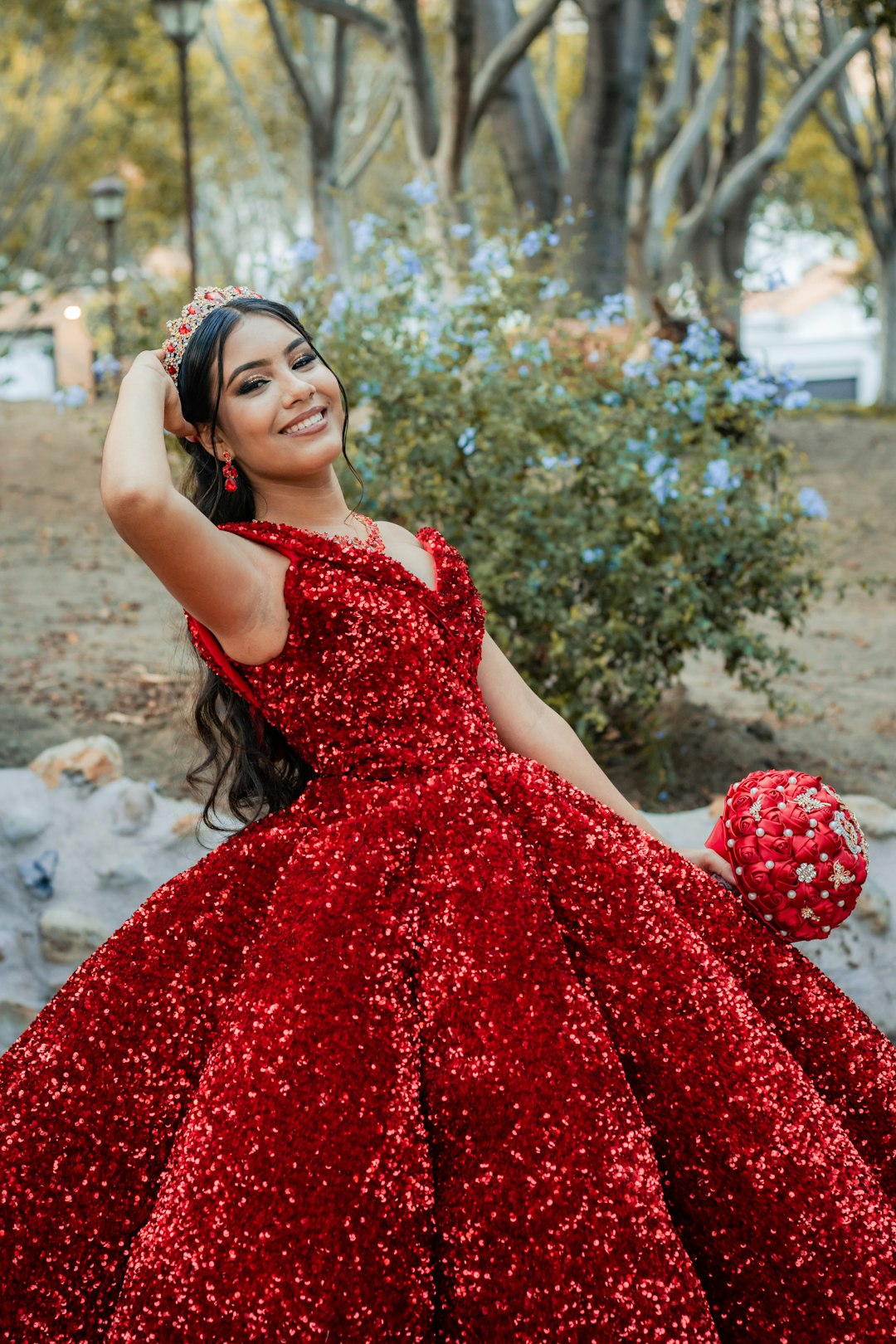
The Outfit Panic Is Real
I still remember standing in my bedroom at sixteen, forty-five minutes before my first jazz recital, holding up two completely different outfits and genuinely considering just not going. One was a sparkly black leotard my mom bought me. The other was this burgundy wrap top I'd stolen from my older sister's closet. Neither felt right. Both felt like costumes for someone I wasn't yet.
That panic? Totally normal. And honestly, it doesn't go away entirely — even after years of performing. But figuring out what to wear for jazz gets a lot less stressful once you stop overthinking it.
Move First, Look Second
Here's the thing nobody puts in the glossy dance catalogs: try dancing in your outfit before you commit to it. I don't mean standing in front of a mirror. I mean actually dancing. Do a jazz run across the room. Hit a few turns. Kick your leg up like you're going for that battement you've been drilling in class.
Does the fabric ride up? Does the waistband dig when you hinge forward? Can you breathe after thirty seconds of full-out movement? If any of those answers make you wince, that outfit is wrong — no matter how gorgeous it looks on the hanger.
Cotton-spandex blends are your best friend here. They stretch where you need them to and don't trap heat the way polyester does. You're going to sweat. A lot. Plan for it.
Match the Vibe, Not Just the Aesthetic
A classic Fosse-style number calls for something completely different than a contemporary jazz piece set to Billie Eilish. I learned this the hard way when I showed up to a swing-inspired group number in head-to-toe black when everyone else wore red and mustard tones. Technically I was dressed fine. But I looked like I'd wandered in from a different show.
Talk to your choreographer. Ask what the visual story is supposed to be. Sometimes the answer is "wear whatever you want," which sounds freeing but actually makes it harder. When that happens, pick one anchor — a color, a silhouette, a feeling — and build around it.
Color Is Not Optional
Jazz dance was born in clubs and on stages where the lights hit hard and the energy was electric. Showing up in muted grey from head to toe reads as apologetic. You don't need sequins (please, unless the choreography demands it, ease up on the sequins), but you do need something that pops under stage lighting.
Bold doesn't mean loud, though. A deep emerald leotard with clean lines can hit harder than a neon explosion of prints. And patterns — stripes, color-blocking, a good geometric detail — work beautifully when they move with you. A skirt that swishes and catches light during turns? That's the kind of detail people remember.
Shoes That Actually Work
I cannot stress this enough: your jazz shoes need to be broken in before performance day. Brand-new shoes are stiff, they squeak, and they'll blister your feet into oblivion. Wear them to class for at least a week beforehand. Dance in them at home. Scuff up the soles on concrete if you have to — you need that grip to be predictable, not surprising.
Low-heeled jazz oxfords for classic styles. Jazz sneakers or slip-ons for more contemporary work. And please, no street shoes on stage. I've seen it. It's never okay.
Fit Is Where Most People Screw Up
Too tight and you can't breathe through the combination. Too loose and your teacher will see your bra strap during every single attitude turn (ask me how I know). The sweet spot is "second skin" — close enough that your lines are clean, loose enough that you forget you're wearing it.
Get things tailored if you need to. A $15 alteration on a $30 leotard turns it into something that looks custom. Seriously. It's the best money you'll spend in dance.
Your Outfit Should Feel Like You
At the end of the day, jazz is about personality. It's sass and rhythm and that little flick of attitude you throw into a simple step. If your outfit makes you feel like you're wearing someone else's skin, your dancing will look stiff and self-conscious.
Wear what makes you stand taller. What makes you want to hit the downbeat harder. Whether that's a vintage-inspired two-piece or a sleek unitard or your lucky pair of leggings that have survived three recitals — own it. The audience can tell the difference between a dancer who feels good and one who's just wearing a costume.
And that sixteen-year-old standing in her bedroom panicking? She went with the burgundy top. It was the right call.