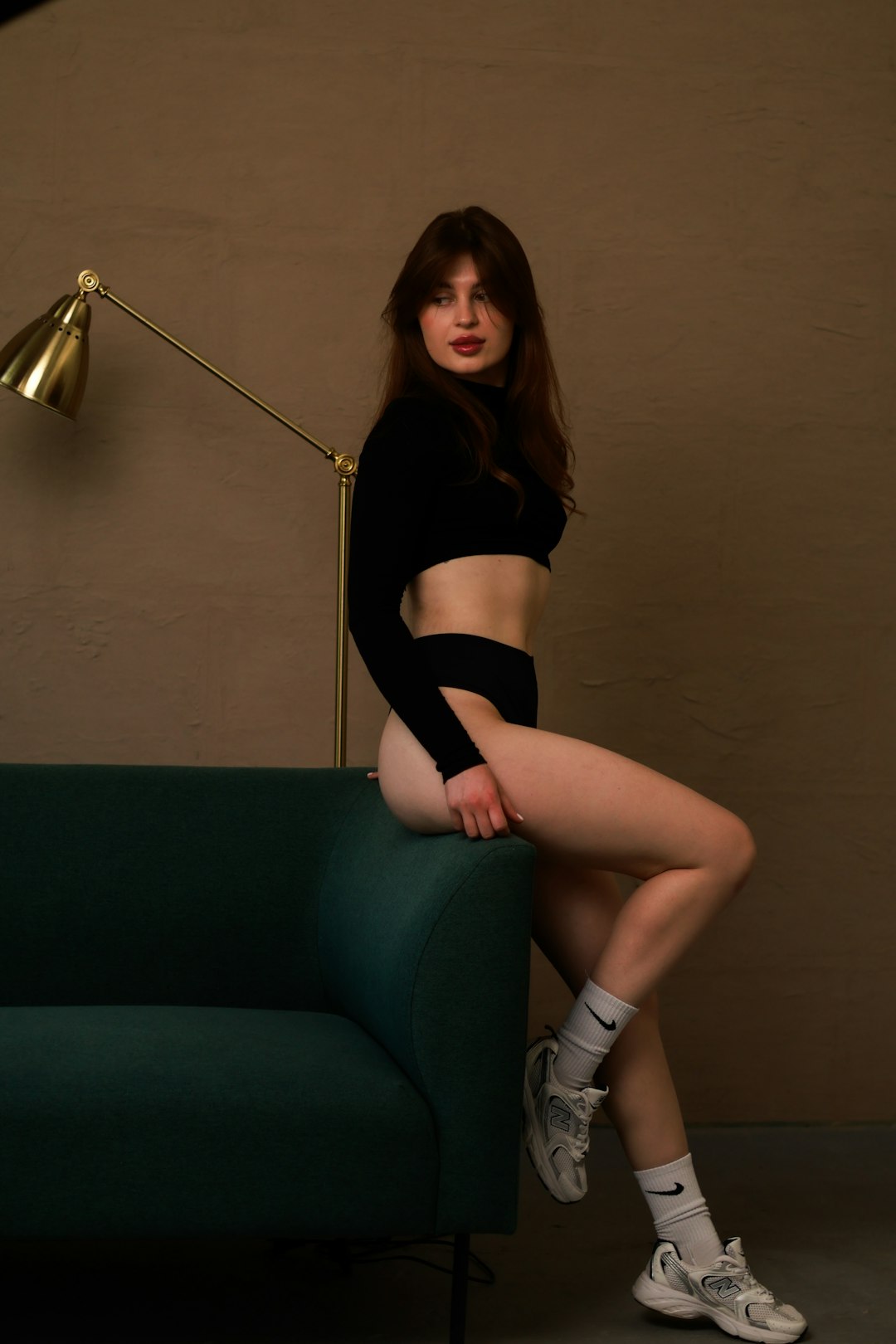
Born in South Central Los Angeles, Krump demands footwear that can absorb the shock of chest-popping stomps, pivot through rapid bucking sequences, and grip during explosive get-offs—all while letting your feet breathe through two-hour sessions. The wrong shoes don't just limit your movement; they mark you as unprepared in a culture that values authenticity.
This guide cuts through generic sneaker advice to focus on what actually matters for Krump's distinctive movement profile: chest pops, jabs, arm swings, and aggressive foot stomping that transfers impact through your entire kinetic chain.
Impact Absorption: Taming the Stomp
Krump's characteristic stomp-to-chest-pop mechanics generate serious force. Prioritize forefoot cushioning combined with heel stability—not the reverse cushioning found in running shoes.
Test before buying: Jump flat-footed in the store. Your shoes should deaden sound without bottoming out. If you feel concrete through the sole, keep looking.
Controlled Grip: The Slide-and-Stop Balance
Unlike sports requiring uniform traction, Krump demands selective grip—enough for sudden stops, slick enough for controlled slides during transitions.
Look for herringbone patterns or circular pivot points in the forefoot, not aggressive uniform tread. Rubber density matters: harder compounds slide better; softer ones grip harder. Many experienced dancers keep two pairs—one for practice (grippier) and one for battles (more slide).
Forefoot Articulation: Where the Shoe Must Bend
The shoe must bend at the ball of your foot, not the arch. This seems obvious until you test it.
The toe-stand test: Rise onto your forefoot. If the shoe fights back or creases mid-arch, it will sabotage your bucking variations. Krump's fast footwork requires immediate response—no break-in period for flexibility.
Lateral Stability: Containing the Buck
Krump's signature aggressive side-to-side movement destroys shoes with weak midfoot structures.
Twist-test the shoe: Hold toe and heel, then twist in opposite directions. Quality Krump footwear resists this torque. Look for reinforced midfoot shanks, TPU cages, or wide outriggers that extend beyond the upper.
Ground Feel for Get-Offs
Low-profile soles improve proprioception when transitioning to floor work. Excessive cushioning disconnects you from the surface—dangerous when executing controlled drops from standing bucking into chest-to-floor get-offs.
Aim for 10mm or less heel-to-toe drop. Anything higher tilts you forward and destabilizes low stances.
Toe Box Width: Room for Aggression
Narrow toe boxes crush your forefoot during toe stands and lateral pushes. Krump requires splayed, active feet.
Check for: A forefoot wider than the heel, or materials that stretch without collapsing. Synthetic leather overlays with mesh underlay often outperform knit uppers, which stretch unpredictably.
Ankle Collar Height: High vs. Low
This choice separates upright bucking specialists from ground-work technicians:
| Style | Best For | Risk |
|---|---|---|
| High-tops | Lateral stability, ankle protection during aggressive bucking | Restricted ankle flexion for get-offs |
| Low-tops | Maximum range for floor work, lighter weight | Ankle roll risk during directional changes |
Many dancers compromise with mid-tops or use ankle sleeves with low-tops.
Sole Composition: Hard vs. Soft Rubber
Rubber durometer (hardness) determines floor interaction:
- Softer rubber (60-70A): Grips dusty floors, wears faster, better for indoor practice
- Harder rubber (80-90A): Slides predictably, lasts longer, preferred for battles on clean floors
Some advanced shoes use dual-density outsoles—softer forefoot for grip, harder heel for durability.
Ventilation: Managing Two-Hour Sessions
"Breathable" means nothing without specifics. Look for:
- Perforated forefoot panels (not just decorative holes)
- Mesh tongues that extend to the toe box
- Moisture-wicking liners that don't pack down after washing
Avoid full synthetic leather uppers unless they feature engineered ventilation zones. Sweat-soaked shoes lose structural integrity mid-session.
Weight: Fast Without Fragile
Lightweight matters, but Krump punishes ultralight construction. The sweet spot: 250-350 grams per shoe (men's size 9). Below this, you sacrifice impact protection. Above it, fatigue accumulates during long sessions.
Immediate Performance: No Break-In Period
Unlike leather dance shoes that mold over weeks, Krump footwear must perform out of the box.