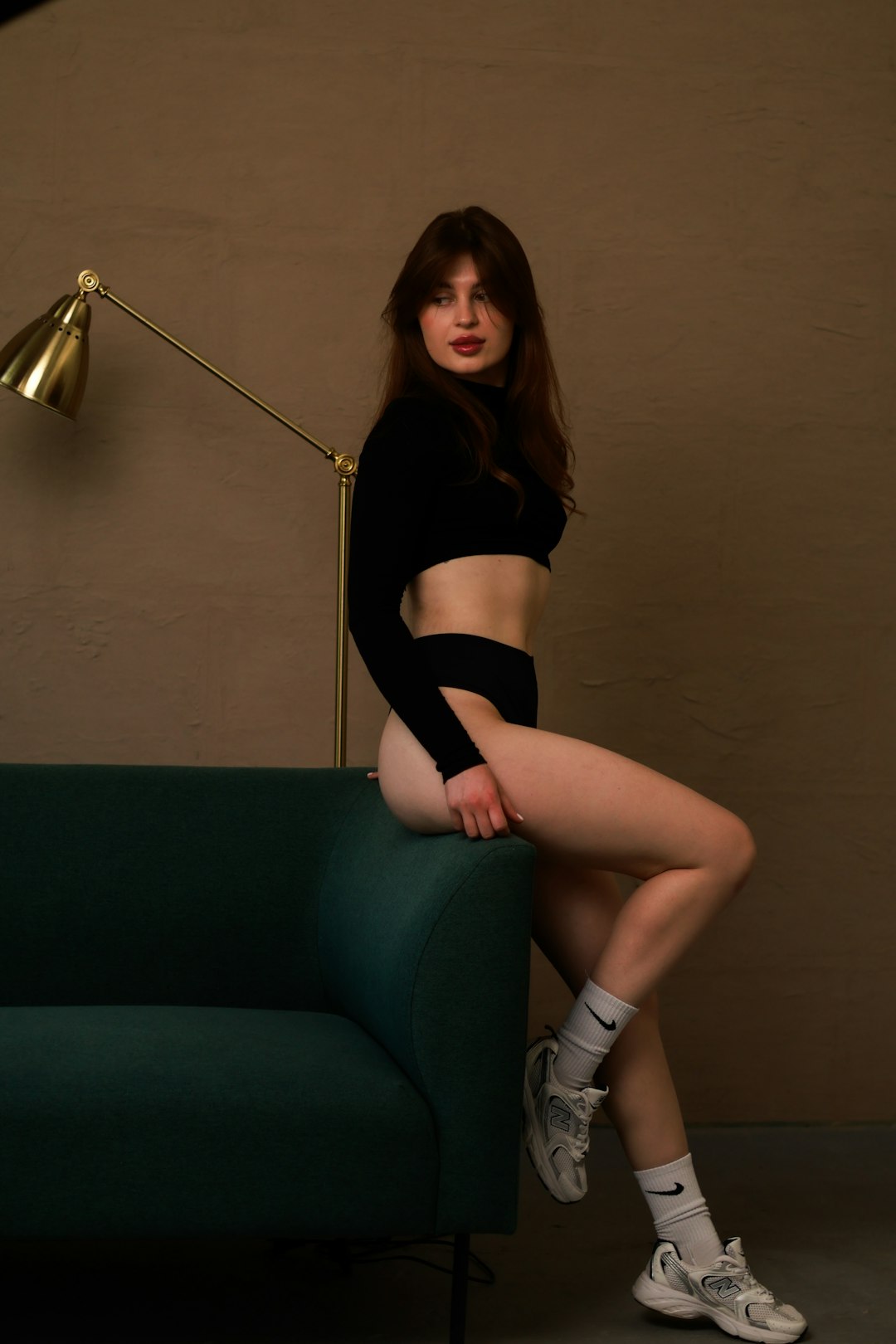
Born in South Central Los Angeles in the early 1990s and evolving from clowning into a distinct street dance by 2000, Krump is characterized by explosive, emotional movement—chest pops, jabs, arm swings, and powerful foot stomps that demand footwear capable of absorbing high impact while maintaining ground connection for power generation.
Whether you're stepping into your first session or preparing for your first battle, selecting the right shoes can make the difference between controlled power and compromised movement. This guide breaks down everything you need to know about Krump footwear, from technical specifications to cultural considerations.
Support and Shock Absorption
Krump's signature stomps and bucking sequences generate tremendous force through your lower body. Prioritize shock absorption for repeated impact and ankle stability for sudden directional shifts.
What to look for:
- High-top designs or shoes with substantial heel counters to prevent rolls during aggressive bucking
- Cushioned midsoles (EVA foam, gel, or air-based systems) to protect joints during stomp sequences
- Snug heel lock to eliminate internal sliding that causes blisters
Fit tip: Try the "stomp test" in-store—your foot shouldn't slide forward, and your ankle should feel secure without restriction.
Traction and Controlled Grip
Krump requires controlled slide capability alongside grip. Too much traction can jar joints during planted pivots; too little compromises power generation and safety.
Tread patterns that work:
- Herringbone or hexagonal patterns offer multi-directional control without excessive stick
- Flat, worn-in soles are preferred by many experienced dancers for studio practice
- Avoid aggressive lug soles designed for trail running—they're overkill and dangerous for quick releases
Pro insight: Some dancers keep two pairs: one with fresher grip for concrete battles and a broken-in pair for studio sessions where controlled sliding is essential.
Flexibility Where It Matters
Unlike styles requiring pointed feet or extreme articulation, Krump demands forefoot flexibility for push-off power combined with midfoot rigidity for stability.
The right balance:
- Bend the shoe at the ball of the foot—it should flex easily
- Attempt to twist the midfoot—quality Krump shoes should resist this motion
- Test by simulating a stomp: your shoe shouldn't collapse at the arch
This combination allows explosive takeoffs while maintaining a solid platform for landing and power transfer.
Style, Culture, and Battle Readiness
Krump's visual culture traditionally favors bold, oversized athletic wear, and footwear carries genuine historical weight. High-top basketball sneakers—Nike Air Force 1s, Jordans, Reebok Classics—connect directly to the style's battle scene origins and remain culturally significant.
Critical rule: Never battle in fresh shoes. Break them in thoroughly through practice sessions to:
- Mold the sole to your foot's pressure points
- Identify any hot spots before they become blisters
- Develop consistent proprioception for precise movement
Your shoes are part of your warrior identity in Krump culture, but function must always precede flex.
The Barefoot Alternative
Many foundational Krump dancers, including Tight Eyez, trained extensively barefoot to develop direct floor connection and foot strength. This approach builds intrinsic foot muscles and refines balance in ways that shoes cannot replicate.
If transitioning from barefoot to shoes:
- Expect a 2-4 week adjustment period for proprioception
- Relearn weight distributions—shoes alter your center of gravity slightly
- Consider starting with minimal-drop shoes before moving to cushioned options
Some dancers alternate between barefoot training (for technique refinement) and shod sessions (for battle preparation and injury prevention).
Environment-Specific Recommendations
| Setting | Recommended Footwear | Key Considerations |
|---|---|---|
| Studio (marley floor) | Clean-soled cross-trainers; basketball shoes | Avoid black soles that mark flooring; moderate cushioning sufficient |
| Concrete/battle | Maximum cushioning; consider aftermarket gel insoles | Impact protection critical; inspect soles for debris before dancing |
| Carpet | Higher traction to prevent dangerous sticking | Sudden stops are harder; warm up thoroughly to prevent knee torque |
| Outdoor/asphalt | Durable rubber outsoles; replaceable insoles | Surface heat and abrasion accelerate wear; budget for shorter shoe lifespan |
Injury Prevention and Maintenance
Insoles and ankle support: Consider aftermarket insoles if you have high arches or history of plantar fasciitis. Compression sleeves or taping can supplement shoe stability for dancers with previous ankle injuries.
Rotation strategy: If training 3+ times weekly, rotate between two pairs to allow midsole foam recovery and extend shoe life.
Replacement indicators:
- Visible compression lines in midsole foam
- Une