---
The saxophone slaps you in the face the moment you climb the station steps. That's Dunstan City—music pouring from coffee shop doorways, couples two-stepping past the currency exchange, a grandmother humming merengue on the bus like it's the most natural thing in the world. I spent three months here last year, working my way through every Latin studio that would have me. Not to write a review. Just to dance. What I found was five places that actually mean something, and one city that breathes rhythm like oxygen.
Where the Old Guard Holds Court
Salsa Central has been on Clement Street since 1987. That's not a selling point I usually care about—age doesn't equal quality—but in this case it matters. Walk in on a Thursday night and you'll see grandmothers drilling cross-body leads alongside guys in their twenties who discovered Marc Anthony last month. The energy doesn't compete with itself. It just... exists, like the building absorbed decades of movement and now leaks it through the walls.
The founder, a Cuban man named Eduardo who refuses to say how old he is, still teaches the Monday beginner class. He doesn't demonstrate. He stands in the center of the room, eyes closed, snapping his fingers, and somehow makes you feel every clave hit in your chest. His teaching philosophy is simple: "You don't learn salsa. You remember it." The facilities are modest—wooden floors, mirrors, a battered sound system—but nobody comes here for the amenities. They come because Eduardo's students win competitions, and more importantly, they don't look like they're counting steps.
Beginner classes run Tuesday and Thursday at 7 PM, Saturday at 2 PM. Show up alone. Leave with a community.
The Place That Takes Your Breath (And Your Rhythm)
Ask any serious dancer in Dunstan where to study cha-cha and they'll point east, toward the converted warehouse that houses Cha-Cha Academy. The building used to be a textile factory. The owner's grandmother still works the ticket booth. None of this should matter to your dance education, but somehow it does—you're not just learning footwork here. You're learning how the cha-cha traveled from Cuba through Havana clubs, how it absorbed bits of mambo and swing along the way, how the "cha-cha-cha" onomatopoeia was originally a joke nobody quite understood.
The instructors rotate, but the head teacher, Marisol, teaches Tuesday and Friday evenings. She's compact, precise, and occasionally terrifying in the best way. I watched her spend forty-five minutes correcting a student's hip isolation until his entire body shifted and the judges at their annual competition actually stood up to applaud. Her method isn't gentle. But nothing she teaches you will ever leave your muscle memory. That's the trade.
Bring water. You'll sweat more in one class here than a week at any gym.
Where Intimacy Isn't Just a Setting
Rumba Roots operates out of what was once a furniture showroom. The space still smells faintly of old wood. There are maybe twelve students in a typical evening class, which means the instructor knows your name by the second session and remembers your specific timing issues by the fourth.
The owner, a Dominican woman who goes by Celeste, doesn't separate "contemporary rumba" from "traditional rumba." She thinks that's a false division. Her classes blend Afro-Cuban movement vocabulary with the stylized romance of the ballroom version, and the result is something that feels honest—rawer than what you'll see on competition stages, more technically grounded than what you'd find at a nightclub.
The community here is the selling point. Students hang back after class, sharing food, arguing about which Celia Cruz album is the definitive one, practicing steps until the landlord starts making noise. If you've been dancing alone and feeling lonely about it, this is where that changes.
The Outdoorsy, Flamboyant One
North Dunstan gets reputation for being quiet, respectable, full of lawyers. Then you walk into Mambo Magic on a Saturday afternoon and find forty people spilled out onto the sidewalk, dancing to live percussion, with some guy named Marco spinning a woman so fast her dress becomes a blur.
Mambo Magic is theatrical. It's also, beneath the showmanship, genuinely excellent at teaching the fundamentals. The instructors here believe that a great mambo dancer needs two things: a deep understanding of the music, and the ability to commit fully to whatever the music asks. That second part sounds obvious. It isn't. Most students spend their first month fighting the rhythm instead of riding it. The instructors at Magic don't let you fight. They force you, through exercises and repetition and sheer stubborn insistence, to stop thinking and start moving.
Summer evenings bring their legendary outdoor sessions in Carver Park. The city closes two blocks of street. Someone wheels out speakers. People dance until the police come by and tell everyone to go home, and even then, nobody really stops.
The One Nobody Expects
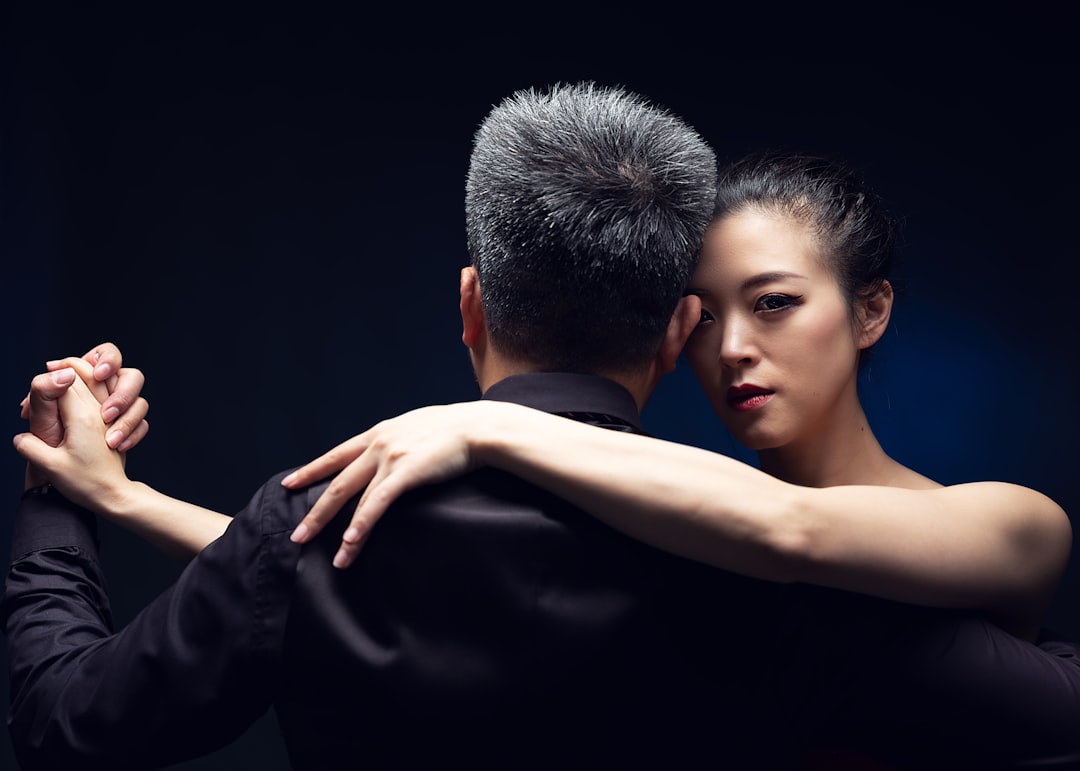
Tango Terrace is in the Southside, where Dunstan's Latin community is thickest and the buildings are old enough to have character. The studio occupies the second floor of a building with a tailor shop on the ground floor—you hear sewing machine buzz underneath the bandoneon on Tuesday evenings, and somehow that contrast is perfect.
Tango gets treated like it's separate from "Latin dance," which is nonsense. Tango Terrace's owner, a soft-spoken man who emigrated from Buenos Aires in 1998, will tell you exactly why if you ask him. He won't proselytize. He'll just demonstrate—a turn, a pause, a look passed between partners—and suddenly you understand that everything you think you know about "connection" in dancing is incomplete.
Classes here are small and serious without being cold. Partners rotate. Singles are welcome. The technique work is meticulous, but the atmosphere isn't competitive. People come here to feel something, not to prove something.
---
Dunstan City won't hand you rhythm on a platter. You have to show up, sweat, fail, try again. But the city's studios—these five, and a dozen smaller ones I didn't have room to mention—create the conditions where showing up actually means something. The music is there. The floors are there. What you do with it is up to you.
I left Dunstan with blisters, a black eye from an unfortunate collision during a spin class, and the kind of muscle memory that lets me hear a timbale hit from two rooms away and my feet just... know what to do. That's what this city gave me. It might give you the same thing, if you're willing to put in the time.
Go find your studio. They'll be waiting.