The first time Maria showed up at Fiesta Dance Academy, she'd driven forty minutes from her hometown and still hadn't told her husband where she was really going. "I told him I was at yoga," she told me, laughing. That was three years ago. Now she's on the social dance committee and teaches a beginner bachata class on Thursday nights.
That's the thing about Dunstan City, Maine — it doesn't look like a Latin dance destination. Main Street is quiet, the kind of place where people wave at each other in the parking lot of the hardware store. But somewhere between the coffee shop and the old movie theater, there's a scene that has quietly grown into one of the most dedicated dance communities in the state.
So What Actually Draws People In?
Nobody walks into their first Latin dance class already knowing what they're doing. Well, almost nobody. Sarah Chen, who now competes in regional salsa competitions, still remembers the night a friend dragged her to Rumba Rhythms for a "casual Tuesday lesson." "I stepped on my husband's foot probably forty times," she said. "I wanted to leave. I almost left." She didn't leave. She came back the next Tuesday, and the Tuesday after that, and somewhere around week six something shifted — she stopped thinking about her feet and started actually hearing the music.
That's the threshold most people describe. The moment dancing stops being a mental exercise in memorization and becomes something that lives in your body instead. The difference is hard to describe if you haven't felt it, but anyone who's crossed that line will tell you it's worth every awkward step to get there.
The Studios, But Not the Way You'd Expect
Fiesta Dance Academy sits in a converted space above a furniture store on the east side of town. The floors are a little uneven in the back corner. Nobody cares. Owner and instructor Marco Reyes moved to Maine from Boston eight years ago, bringing with him a teaching style that's equal parts patience and push. His salsa beginner series has a reputation — people who take it tend to stay. Not because the classes are easy, but because Marco has a gift for making everyone feel like they belong in the room, even the guy who showed up alone and spent the first class apologizing for stepping on his partner's sneakers.
Rumba Rhythms is where the serious dancers gravitate. The studio has mirrors on three walls and a hardwood floor that actually responds to your weight — you can feel the difference when you turn, a subtle spring that makes spins feel cleaner. Instructors there aren't interested in just teaching choreography. They want you to understand the structure of the dance, why the weight shift matters, why you pause on the four. It's a different kind of class, more demanding, and that appeals to a certain type of learner who thrives on precision.
Then there's Samba Soul, tucked behind the laundromat off Route 17. This one is different again. The owner, Ana Lucia Ferreira, grew up in Salvador, Bahia, and she runs her classes like a conversation about where she comes from. When she teaches forró, she's also teaching the history — why this dance matters in Northeast Brazil, what it sounds like at a festival in June, why couples hold each other the way they do. You leave having learned steps, sure, but also having absorbed something harder to articulate.
Why Bother, Really
The fitness angle is real. A solid hour of salsa will burn more calories than most gym sessions and doesn't feel remotely like exercise because you're too busy having a good time. Coordination improves, balance sharpens, and there's evidence that dancing regularly does something to your brain that puzzles and crosswords simply can't replicate — you're processing music and movement simultaneously, forming new neural pathways in real time.
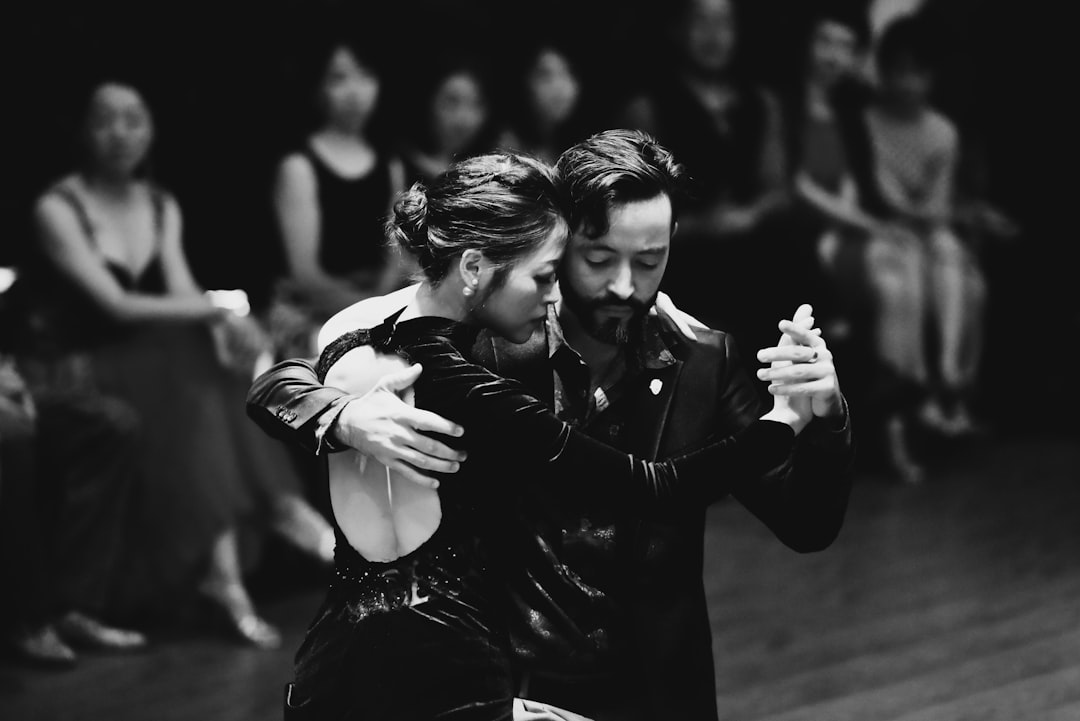
But the thing people actually mention, unprompted, is the community. You hear it in the way regulars greet each other at the door, in the conversations that happen before and after class while everyone catches their breath. There's a social dance scene in Dunstan City that runs Friday and Saturday nights at local venues — no cover charge, no dress code, just people who want to move and be around other people who want to move. The regulars will pull you onto the floor even if you don't know the steps yet. Nobody stays a beginner for long if they keep showing up.
Starting Is Simpler Than It Looks
You don't need special shoes. You don't need a partner. You don't need to have any rhythm whatsoever — that's what the classes are for. What you need is to walk through a door and stay for the whole hour, even when you feel like you don't belong. Especially when you feel like you don't belong. That's usually the sign that you're about to learn something real.
The studios in Dunstan City have beginner sessions running throughout the week. Schedules are posted online, and most offer a first-class discount for newcomers. Pick one. Show up. Let yourself be bad at it for a little while. The dancers in this town didn't start knowing how to move either — they just decided to come back the next week. And the week after that.
Nobody's keeping score. The floor is open.