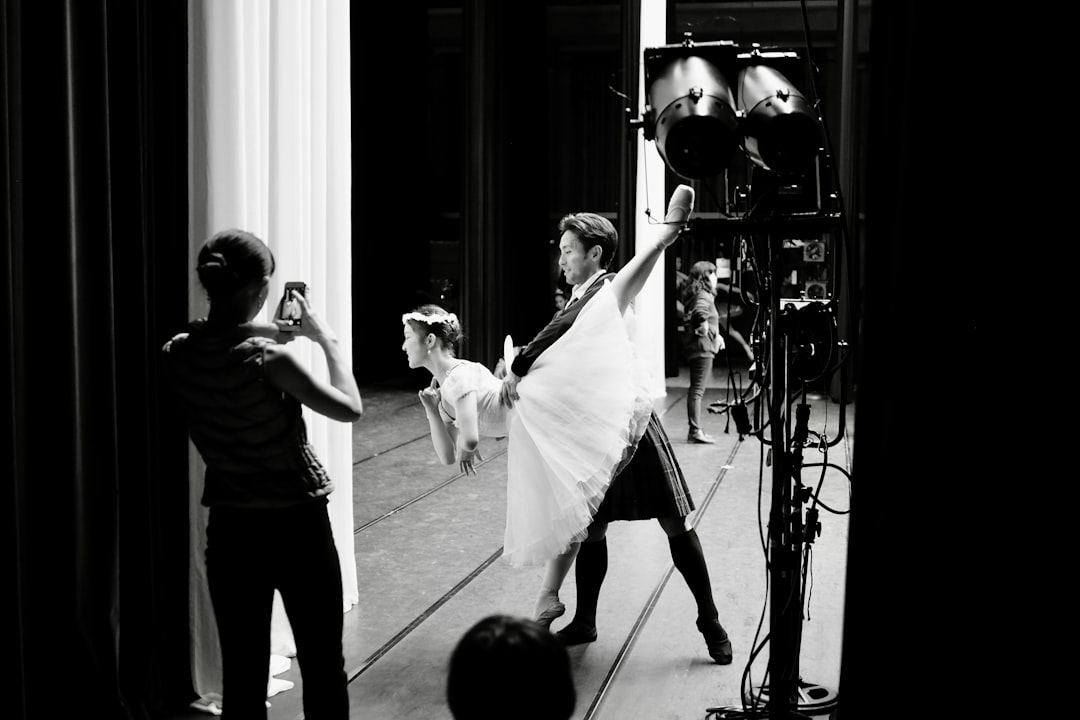
Salsa demands explosive movement—spins, drops, and rapid footwork that can leave you drenched in three songs. Your clothes must work as hard as you do, transitioning seamlessly from steamy social floors to blinding stage lights. Whether you're stepping out for your first beginner class or preparing for your first competition, the right attire affects everything from your confidence to your safety.
This guide addresses three distinct paths: beginner social dancers building their first wardrobe, advanced social dancers investing in quality pieces, and performers adapting for the spotlight.
The Non-Negotiable: Footwear
Before considering fabric or color, prioritize what connects you to the floor. Street shoes with rubber soles grip too aggressively, torquing knees and ankles during turns. Proper salsa footwear features suede or leather soles that allow controlled sliding while maintaining stability.
For follows (traditionally women): Start with 1.5" heels for balance training, progressing to 2.5"–3" as ankle strength develops. Strappy open-toe designs secure the foot during spins; avoid mules or backless styles that can fly off.
For leads (traditionally men): Dance sneakers with suede soles cushion lengthy socials; formal performances may call for leather-soled dress shoes. Never wear running shoes—their tread pattern traps momentum and risks injury.
Fabric Science for Dancers
Generic fashion advice fails dancers. Cotton becomes sweat-soaked and heavy within minutes; linen wrinkles immediately and shows dampness conspicuously. Salsa demands engineered performance.
| Fabric Type | Best For | Why It Works | Avoid When |
|---|---|---|---|
| Moisture-wicking performance blends (polyester/spandex) | High-intensity social dancing, performances | Draws sweat from skin; quick-drying; 4-way stretch moves with spins and arm styling | — |
| Dance crepe/charmeuse | Performances, formal events | Fluid drape creates beautiful lines; photographs well under stage lights | Hot, crowded venues (shows sweat immediately) |
| Lightweight jersey with 5%–10% spandex | Practice, casual socials | Forgiving fit; economical; survives frequent washing | Formal events requiring structured silhouettes |
| Breathable mesh panels (strategic placement) | Any high-sweat situation | Ventilation at back, underarms, or sides without compromising coverage | Conservative formal settings |
Climate considerations: Humid Caribbean-style venues demand maximum breathability; air-conditioned ballrooms allow slightly heavier fabrics that drape more elegantly.
Fit for Function
Salsa fit differs fundamentally from streetwear. Test any garment with these three movements before committing:
The spin test: Raise arms overhead rapidly. Does your top ride up? Does waistband gapping expose skin? Perform three consecutive turns—clothing should settle back into place without adjustment.
The dip test: Bend backward at the waist with assistance. Does neckline gape problematically? Do pants slide at the hips?
The sweat test: Jump vigorously for 60 seconds. Where does fabric cling? Where does it trap heat?
For follows: Fitted tops with built-in support eliminate wardrobe malfunctions during spins. Skirts with shorts underneath or dance pants with sufficient rise prevent exposure during arm lifts and dips.
For leads: Shirts must stay tucked through active movement; consider bodysuit-style shirts for performances. Jacket sleeves need enough length to cover arms fully when extended.
Tailoring transforms off-the-rack pieces. A $30 practice top altered to your proportions outperforms an expensive ill-fitting alternative.
Style Context: Social Versus Stage
Social Dancing
Prioritize versatility and durability. Darker colors hide sweat; wrap dresses and stretchy separates transition from dinner to dance floor. Avoid anything requiring constant adjustment—you'll refuse dances rather than risk exposure.
Performance
Stage lighting washes out pale colors and creates harsh shadows. Jewel tones and saturated hues (emerald, sapphire, magenta) read clearly from distance. Sequins and crystals catch light, but test under actual stage conditions—some reflect blindingly while others disappear.
Costume changes must occur in under 90 seconds. Design pieces that layer or reverse for multiple numbers. Men: invest in tailored dance pants with satin stripes that elongate leg lines. Women: consider skirt lengths that flatter without tangling during partner work.
Color Strategy
Beyond personal preference, consider functional visibility:
- Social floors: Medium-to-dark tones minimize sweat visibility; small patterns disguise movement wrinkles better than solids.
- Stage: Avoid pure white (washes out under lights) and true black (absorbs light, loses dimension). Red photographs unpredictably—test before performance.
- Partner coordination: Complementary rather than matching colors read as intentional; identical outfits appear amateur.
Skin tone matters less than **contrast