Salsa doesn't forgive wardrobe mistakes. One spin into a restrictive skirt, one slide in shoes with the wrong sole, one hour in non-breathable fabric—and you're fighting your clothes instead of dancing. This guide covers what actually works: technical fabrics that survive marathon socials, heel heights that won't compromise your balance, and the unwritten dress codes of different salsa venues.
Four Principles That Govern Every Choice
Before buying anything, filter through these fundamentals:
Unrestricted movement. Salsa demands rapid weight shifts, hip action, and arm extensions. Anything that binds at the shoulders, waist, or knees fails the test.
Temperature regulation. Three hours in a crowded club generates serious heat. Moisture-wicking fabrics aren't optional—they're survival gear.
Floor safety. Suede-soled shoes prevent slips; dangling jewelry causes disasters; long skirts can tangle in footwork.
Visual clarity. Under dim club lights, solid colors and clean lines read better than busy patterns that blur into visual noise.
Footwear: Your Most Critical Investment
Poor shoes destroy technique before you take your first step. Here's what matters:
For Women
| Feature | Recommendation | Why It Matters |
|---|---|---|
| Heel height | 2–2.5 inches to start | Lower centers of gravity improve balance during spins; graduate to 3+ inches only after mastering fundamentals |
| Heel style | Flared or Cuban | Wider bases reduce ankle strain; stilettos look dramatic but demand advanced stability |
| Straps | Ankle straps with secure buckles | Prevent foot slide during quick directional changes |
| Sole | Suede or leather | Provides controlled glide on wood floors; rubber grips too aggressively, plastic slides dangerously |
Break-in protocol: Wear new shoes at home for 30-minute intervals before dancing. Suede soles need occasional brushing to maintain texture; carry a wire brush in your dance bag.
For Men
- Practice: Dance sneakers with split soles allow foot articulation while protecting joints from concrete studio floors
- Social dancing: Leather-soled dress shoes with moderate flexibility; patent leather for upscale venues
- Competition: Specialized Latin dance shoes with 1.5-inch Cuban heels that enhance Cuban motion visibility
Critical detail: Shoe weight affects stamina. Heavy leather dress shoes fatigue legs faster than purpose-built dance footwear.
Women's Clothing: From Function to Flair
Skirts and Dresses
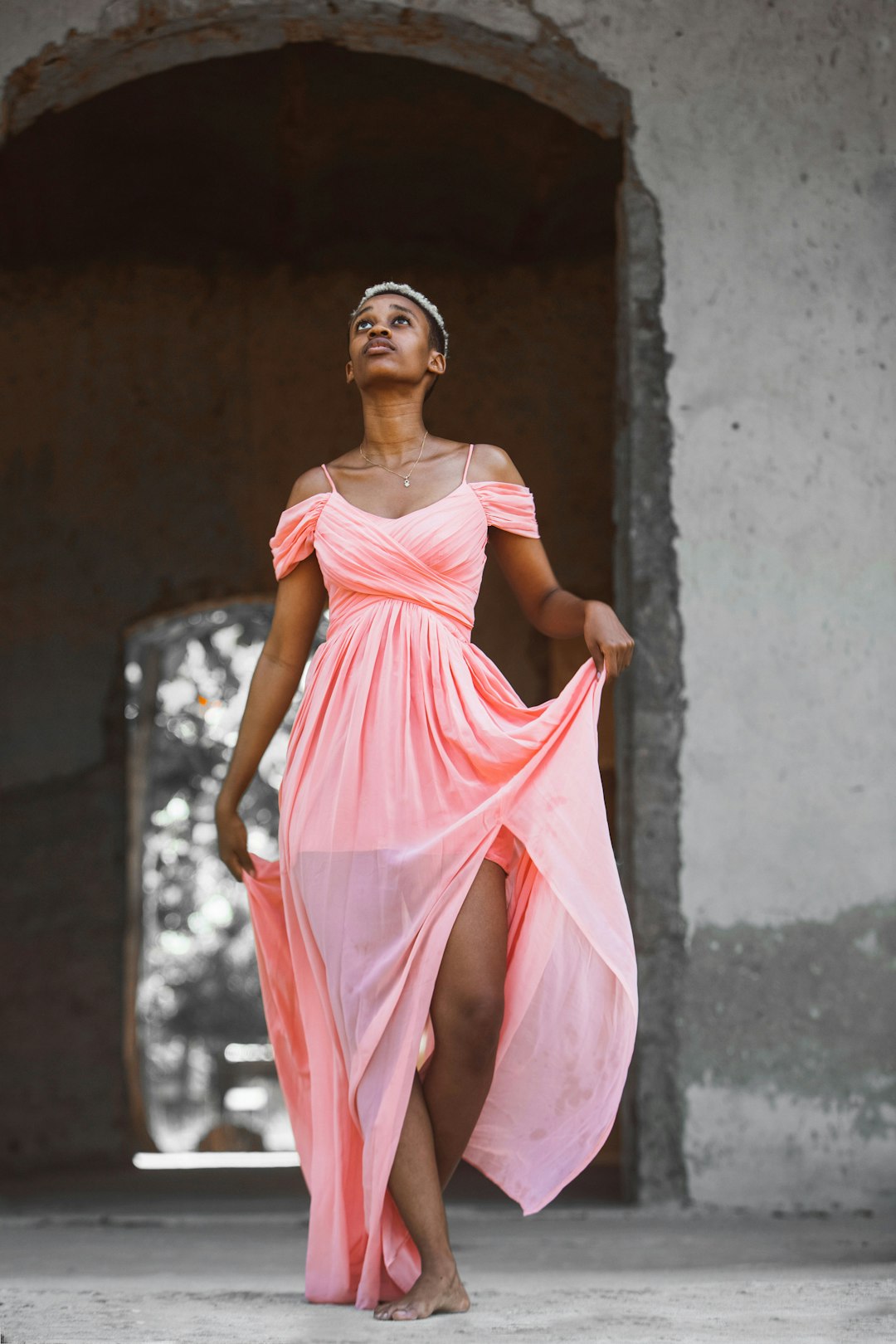
Length: Knee-length or one inch above strikes the balance—short enough to clear floorwork, long enough for modesty during dips.
Cut determines movement:
- Circle skirts: Maximum drama on spins; the fabric flies outward creating visual impact
- Pencil or fitted styles: Better for controlled, technical dancing; no fabric to manage during intricate footwork
- Asymmetrical hems: Compromise option offering some flair without full circle-skirt volume
Fabric: Jersey knits with 5–10% spandex recover shape after stretching; chiffon overlays add movement without weight; avoid 100% cotton that shows sweat immediately.
Tops
Construction priorities:
- Built-in shelf bras or strategic seaming reduce layered bulk
- Open backs or mesh panels vent heat where you need it most
- Cap sleeves or sleeveless cuts eliminate armpit sweat visibility
- Secure necklines—strapless styles require constant adjustment during active dancing
Color strategy: Solid jewel tones (emerald, sapphire, ruby) photograph well and read clearly across dim dance floors. Black conceals sweat but can disappear in low light; consider strategic cutouts or metallic accents for visibility.
The Underlayer Reality
Seamless, moisture-wicking underwear prevents visible lines and discomfort. For fitted dresses, dance-specific bodysuits provide smooth foundations without shifting.
Men's Clothing: Polished Without Restriction
Shirts
Fabric hierarchy:
- Performance blends (polyester with stretch): Dry fastest, resist wrinkling, survive repeated washing
- Linen blends: Breathe well but wrinkle severely; acceptable for outdoor events, risky for formal venues
- Lightweight cotton: Comfortable but shows sweat; acceptable only in well-ventilated spaces
Cut and styling:
- Untucked styles with curved hems allow full hip movement without fabric bunching
- Roll sleeves to mid-forearm—practical for heat management, visually signals readiness to dance
- Avoid stiff collar stays that dig into neck during partnered dips
Pants
The rise matters: Mid-rise or slightly lower cuts accommodate Cuban hip motion without waistband displacement. High-rise pants restrict; low-rise risks exposure during arm raises.
Fabric composition: 2–5% elastane in cotton or synthetic blends provides necessary give for lunges and floorwork. Pure wool or stiff cotton twill binds at critical moments.
Width: Slim