The class that changed everything
I still remember my first contemporary dance class. The teacher told us to "melt into the floor like ice cream on a summer sidewalk." I stood there, rigid as a board, watching everyone else sink gracefully while I looked like a folding chair that refused to fold.
That was fifteen years ago. Now I can't imagine my life without it.
Contemporary dance grabbed me because it doesn't care if you nailed five pirouettes or can touch your ear with your toe. It cares about something way more interesting: your story, told through movement.
Not ballet's rebellious cousin
People love calling contemporary dance "ballet without the rules." That's missing the point entirely.
Born in the 1950s when choreographers like Martha Graham and Merce Cunningham decided they were done with tiaras and turned-out feet, contemporary dance became something different. It pulls from modern dance, borrows from ballet, throws in some improvisation, and says: "What do you want to say?"
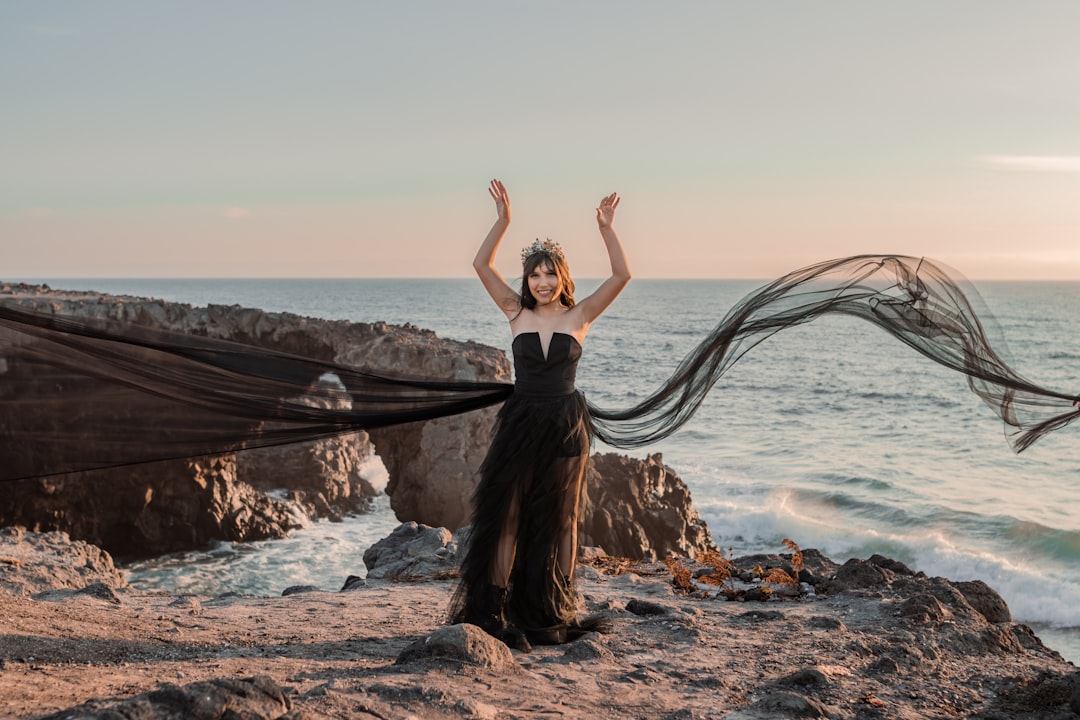
A dancer might start a phrase floating on their toes, collapse to the floor, roll across the space, and end standing perfectly still. The same piece could make you weep one moment and laugh the next.
Your body already knows more than you think
Here's what beginners don't expect: you're not starting from zero. Your body has been moving for decades. You know how it feels to reach for something just out of grasp, to collapse into a chair after an exhausting day, to jump when you're excited.
Contemporary technique just gives you vocabulary for movements you already understand. Contractions? That's the feeling of a punch to the gut. Spirals? You do this every time you reach behind you to grab something from the backseat. Floor work? It's controlled falling.
Once I stopped trying to "learn dance" and started paying attention to how my body naturally wanted to move, everything clicked.
The magic happens in improvisation
My teacher used to put on a song—something with no lyrics, maybe a cello piece or electronic soundscape—and tell us to just move. No choreography, no right or wrong.
At first, this was terrifying. I felt awkward, exposed, ridiculous. But then something shifted. I stopped thinking and started responding. My arms reached when the music swelled. My weight shifted when the rhythm changed.
Those improvised moments taught me things about myself I'd never discovered in years of talking therapy. Anger I'd suppressed came out as sharp, staccato movements. Joy burst through in expansive leaps I didn't know I could do.
Finding your people
Dance classes attract the most wonderful weirdos. I've taken class beside doctors, construction workers, grandmothers, and teenagers. We're all there making strange shapes with our bodies, sweating through the same combinations, failing and laughing and trying again.
That community matters more than you'd think. They'll celebrate when you finally nail that turn. They'll remind you that everyone looks silly learning something new. And honestly? Watching someone else struggle with the exact same movement you can't figure out is incredibly validating.
Start anywhere
You don't need the "right" body, the perfect outfit, or years of training. You just need to show up. Find a beginner class in your area. Wear clothes you can move in. Expect to feel clumsy at first—that's normal and temporary.
Contemporary dance will meet you exactly where you are. Trust me, your body has stories worth telling.