The Day I Stopped Counting Steps
My first contemporary class was a disaster. I stood in the back, tried to mirror everyone else, and felt completely lost within five minutes. The teacher said "feel the floor" and I had no idea what she meant. I almost didn't go back.
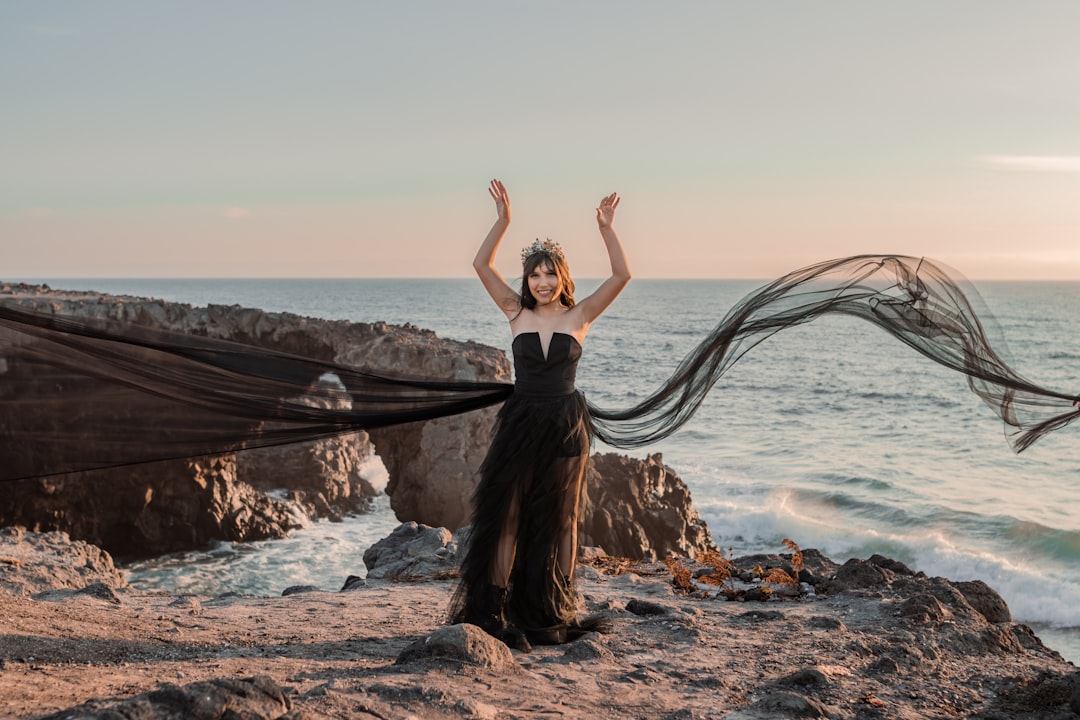
But something kept pulling me. Maybe it was the way the advanced dancers moved in the studio next door—like water, like they weren't even trying. I wanted that freedom. Three months later, contemporary dance became the thing I looked forward to all week.
If you're standing at the edge of your own contemporary journey, feeling that mix of excitement and "I'm going to look ridiculous," here's what nobody tells you.
Your Body Already Knows Things
Here's the weird truth about contemporary: you've been training for it your whole life without knowing it. Every time you stretched your arms overhead in the morning, every time you rolled your shoulders after a long day—that's contemporary vocabulary waiting to be refined.
The technical terms like "contraction" and "release" sound intimidating. But put simply, a contraction is what happens when you laugh so hard your stomach tightens. Release is the exhale after. Your body understands these concepts already; you're just learning to do them with intention.
Floor Work Isn't as Scary as It Looks
Those dramatic rolls and slides across the floor? They look impossible until someone breaks them down. Start small. Sit on the floor, roll onto your back, feel your spine connect with the ground. That's it. That's the beginning.
The floor is actually your friend—it supports you, gives you feedback, catches you when you fall. Many beginners avoid floor work because they think it requires grace. It doesn't. It requires curiosity and a willingness to get a little dusty.
Perfection Is the Enemy of Contemporary
This dance form was literally created by people who broke classical ballet rules. Martha Graham, one of contemporary's pioneers, built an entire technique around the idea that the body's natural responses—breathing, contracting, releasing—were art.
When you mess up a move, you're not failing. You're discovering something your body does naturally. Some of the most beautiful moments I've seen in class came from someone tripping and turning it into an unexpected gesture. Contemporary rewards the authentic over the polished.
Music Changes Everything
I remember the day I stopped thinking about counts and started actually listening. The song was slow, almost melancholic, and something clicked. My arms moved differently. My breath matched the phrases. I wasn't performing anymore—I was responding.
Find music that makes you feel something. Not what you think you "should" dance to. If hip-hop instrumentals make you want to move, use them. If film scores or indie ballads speak to you, those are your tools. The right music doesn't just motivate—it transforms how you inhabit your body.
The Community Is Weirder and Better Than You Expect
Contemporary dancers aren't the intimidatingly perfect people I imagined. They're the ones who'll celebrate when you finally nail that roll, who'll stay after class to figure out a sequence together, who'll laugh about their own stumbles.
Find your people. Local studios, drop-in classes, even online challenges can connect you with dancers at every level. The journey feels completely different when you're not walking it alone.
Small Practices, Big Shifts
You don't need hours daily. Fifteen minutes in your living room, moving however feels good, builds more confidence than you'd think. I started practicing contractions while waiting for coffee to brew. Balance work became part of brushing my teeth. These tiny moments accumulate.
What I Wish Someone Had Told Me
Your contemporary dance journey won't look like anyone else's—and that's the whole point. This isn't a style that asks you to copy. It asks you to discover what your body wants to say and gives you vocabulary to say it.
The confidence you're building isn't about knowing all the moves. It's about trusting that whatever comes out of you is worth expressing. Give yourself permission to be a beginner, to look awkward, to surprise yourself.
That freedom I envied in those advanced dancers? It wasn't technique alone. It was years of showing up, messing up, and discovering their own movement voice along the way. Your version of that freedom is waiting on the other side of showing up.