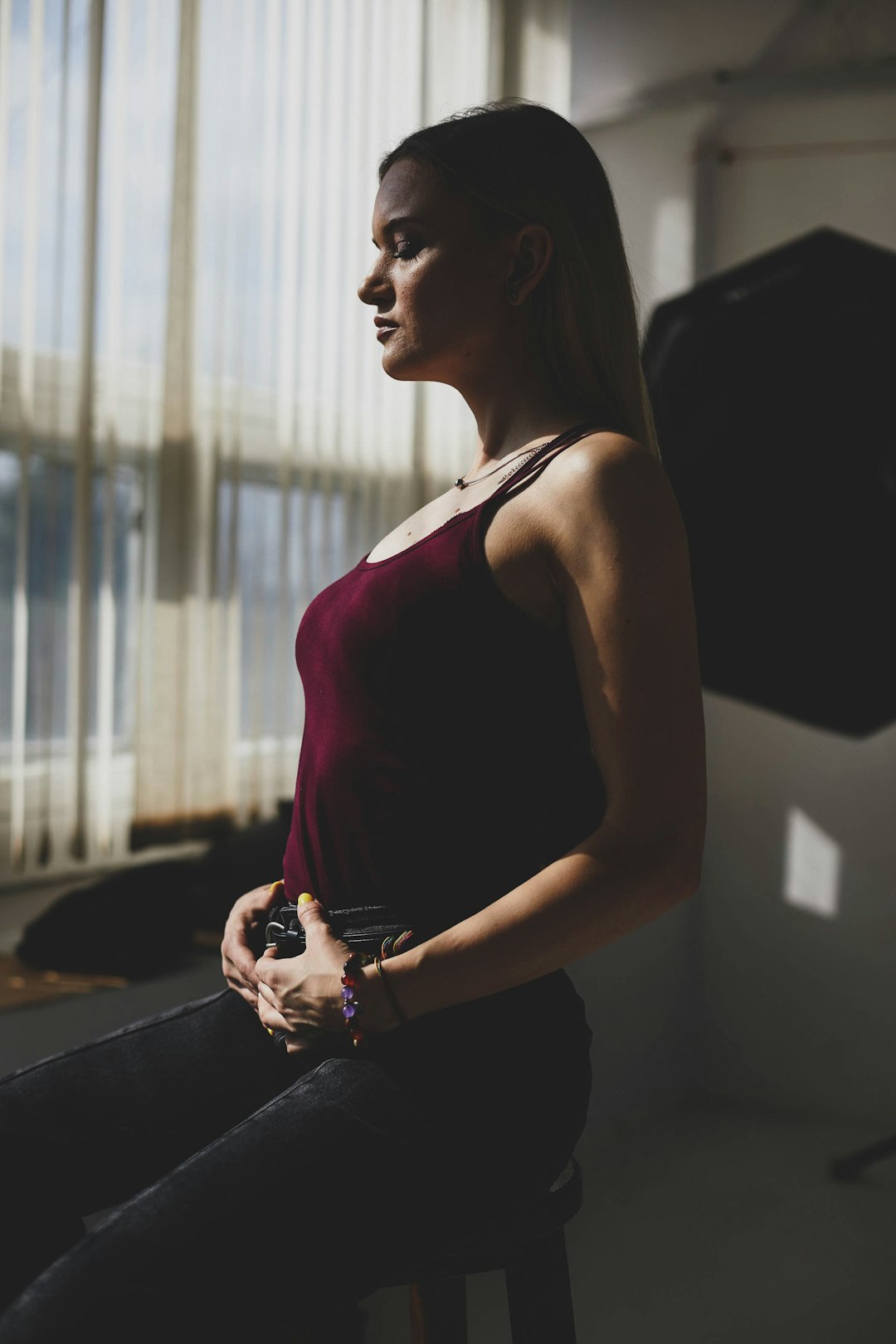
The Girl Who Danced Like No One Was Watching (Because She Wasn't)
I still remember my first contemporary dance class. The instructor said "just feel the music," and I stood there frozen, waiting for actual instructions. Turns out, that discomfort was the whole point.
Contemporary dance doesn't give you a script. It hands you a blank page and says, "write something." If that sounds terrifying, good—that means you're ready to discover something real.
It's Not "Ballet, But Easier"
Here's a common misconception: contemporary dance is just relaxed ballet. Nope. While ballet asks you to fight your body's natural tendencies—turn out, pull up, lengthen—contemporary asks what your body wants to do when no one's watching. It borrows from ballet's precision, modern's groundedness, jazz's rhythms, and honestly, the way you stretch when you wake up.
Merce Cunningham threw dice to determine choreography. Pina Bausch made dancers repeat mundane gestures until they transformed into something haunting. The through-line? There are no rules, only choices.
What Happens in Your First Class
Expect confusion. Then more confusion. Then, somewhere around week three, you'll stop thinking about whether your arm looks "right" and start noticing how the movement feels. That shift—from external judgment to internal awareness—is where the magic lives.
Your instructor might ask you to "melt" or "reach for something you can't have." These aren't metaphors. They're invitations to stop performing and start experiencing. One dancer I know spent an entire class rolling across the floor because that's what her body needed that day. The teacher just nodded.
The Breath Thing
Contemporary dancers breathe loud. You'll hear it—sharp inhales during contractions, slow exhales through extensions. This isn't dramatic affectation. Your breath literally shapes your movement. Try lifting your arms while holding your breath, then try it again while exhaling. Different, right?
Syncing breath with motion creates flow. It also keeps you from passing out, which is generally a plus.
Embracing the "Awkward Phase"
You will look weird. Your limbs will do unexpected things. You'll discover muscles you didn't know existed because they'll hurt the next day. This isn't failure—it's the process of building a conversation with your body.
Contemporary dance prizes authenticity over polish. A slightly messy phrase performed with conviction beats a technically perfect one danced like a robot. Watch any professional company and you'll see: the power comes from commitment, not precision.
Finding Your Way In
Start with beginner classes—real ones, not "beginner-friendly" classes packed with retired professionals. Community centers and universities often have genuine introductory options. Online platforms like Steezy or CLI Studios offer solid beginner programs if in-person feels too intimidating.
Wear clothes you can move in. Sweatpants and a t-shirt beat expensive dancewear every time. Bare feet or dance paws—socks are slippery, sneakers too grippy.
Why Bother?
Because somewhere between your daily commute and your scrolling habits, you lost touch with how your body feels when it's not being productive. Contemporary dance reclaims that. It's not about becoming a performer or even getting "good" at dance. It's about remembering that you have a body, not just a brain on legs.
Plus, the flexibility gains are real. Your future self will thank you when you can still touch your toes at sixty.
Stop Reading, Start Moving
Put on a song that makes you feel something. Close your eyes. Move. Don't choreograph—just respond. That impulse you felt? That's contemporary dance. Everything else is just vocabulary for a language you already speak.
Your body has stories. Time to let them out.