---
The Moment Everything Clicked
I still remember watching a woman at a Colombian wedding in Bogotá who danced like the music was written into her bones. No fancy footwork, no spins — just this hypnotic, grounded movement that made everyone around her stop and stare. Meanwhile, I was doing what most beginners do: a sort of stiff forward-backward shuffle that looked more like I was vacuuming than dancing.
The difference? She'd been doing it for 30 years. I'd been doing it for 30 minutes.
But here's the thing nobody tells you: that woman's secret wasn't mystery or talent. It was weight transfer. Specifically, she understood exactly when her weight should land and how that timing connects to the percussion. Once I figured that out, everything else — the turns, the connection, the "flow" everyone keeps talking about — suddenly started making sense.
If you've moved past the absolute basics and want to take your Cumbia from "I know the steps" to "I feel the dance," these are the shifts that actually matter.
---
The Weight Transfer Secret Nobody Explains
Most tutorials tell you to step forward on beat 1, back on beat 2. What they leave out is where your weight lives in between those beats.
The hip sway isn't decoration — it's a byproduct of proper weight transfer. When you step forward on your right foot, your hip drops slightly. When you shift back to the left, it drops the other direction. This creates that signature Cumbia undulation without you having to "do" anything extra.
Try this: stand still. Now shift all your weight to your right leg. Notice your right hip drops. Shift to the left. The left hip drops. Now add the steps back in. The movement should feel almost involuntary — like your hips are following your feet, not leading them.
Once this clicks, your basic step transforms from mechanical to musical. You're not counting anymore; you're dancing.
---
The Cross-Body Lead That Doesn't Feel Like a Tug-of-War
Here's where a lot of partnerships break down. The lead tries to "guide" the follow, and suddenly it feels like you're herding a cat.
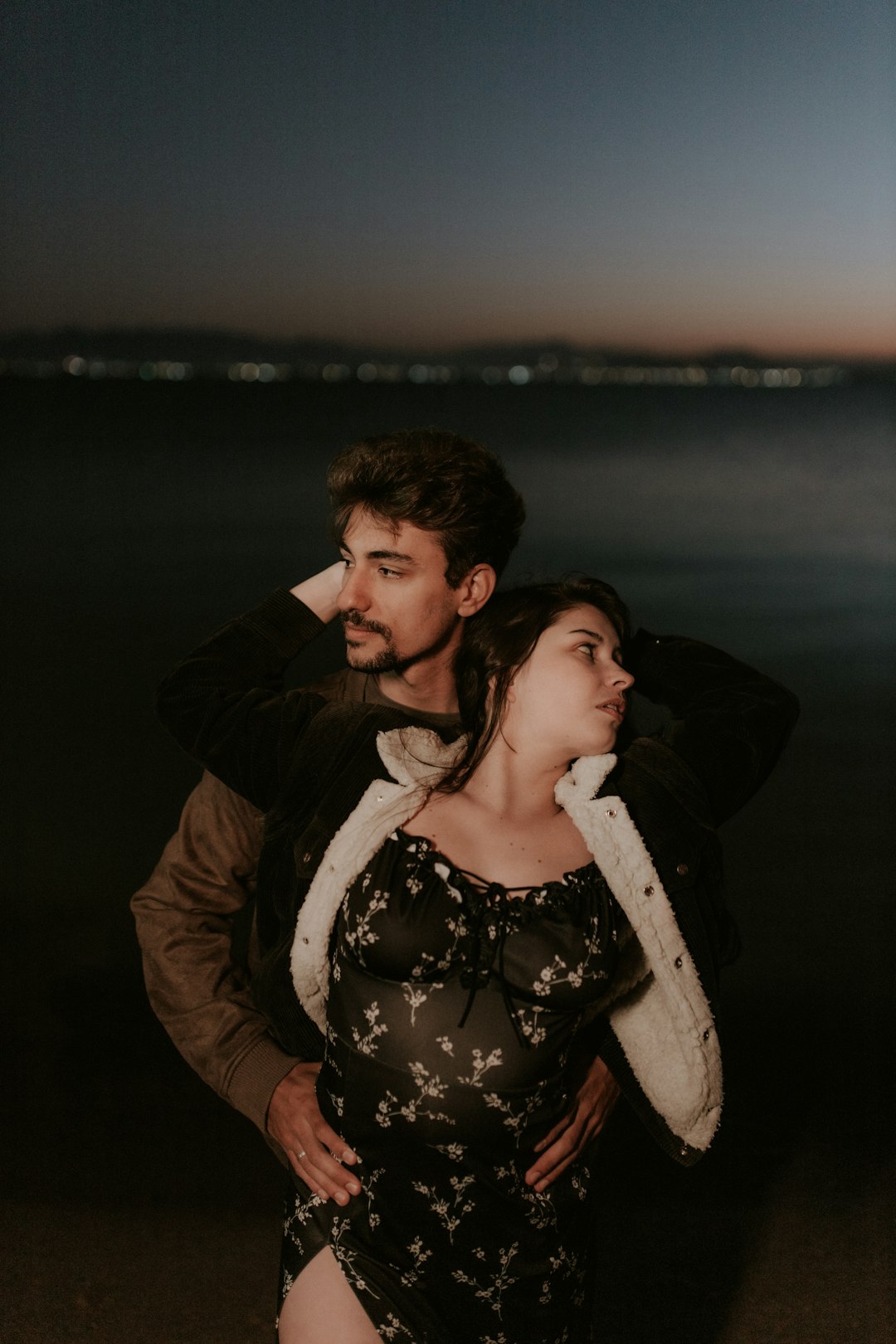
The cross-body lead in Cumbia isn't about pushing or pulling. It's about inviting. Your right hand creates gentle pressure at the small of her back — not grabbing, just contact. When you step forward with your right foot, that pressure tells her "I'm going to move us." Her body does the rest.
The key moment is the cross itself. As you pass each other, maintain the connection through your core, not your arms. Your arms extend and release naturally; your center keeps you tied together. This is why experienced Cumbia dancers look like they're magnetized — they can't actually separate even when they try.
One more thing: breathe together. Literally. On your third step (the one where you both settle), exhale slightly. On the first beat of the next phrase, inhale. It sounds absurd until you try it with a partner, and then suddenly you're not two people doing steps. You're one unit.
---
Side-to-Side Isn't a Separate Move — It's Your Secret Weapon
Here's what most dancers get wrong about the side-to-side variation: they treat it like a different dance. They stop the forward-backward rhythm, do the side step, then try to switch back.
Bad.
The best Cumbia dancers blend it in seamlessly, usually on the "and" counts. Instead of stepping straight back, your right foot goes back-and-side at a 45-degree angle. Your left foot adjusts. You're still doing the fundamental pattern — you've just tilted it slightly.
This is where the dance starts to feel creative. Once the basics are solid in your body, you can play with how much side motion you add, when you add it, and whether you do it on every step or just occasionally. It's like seasoning: a little adds flavor, too much ruins the dish.
---
The Turn Nobody Does Correctly the First Time
Cumbia turns terrify beginners because they feel unbalanced. Here's why: people try to turn on their heels.
Don't.
Pivot on the ball of your supporting foot. Your heel lifts slightly. As you step onto that foot, your body naturally rotates around it. The faster you can get onto the ball of your foot, the quicker and cleaner your turn will be.
For a basic 180-degree turn: step back on your right foot, shift weight, push off your left foot while pivoting on the ball, and land facing the opposite direction on your right foot. Your left foot comes through and lands beside it.
Practice this without a partner first. Then practice it with your eyes closed. Then — and this is the test — practice it while maintaining the rhythm in your head. If you lose the beat when you turn, you're turning too fast. Slow it down until the music is still driving the movement, not your nerves.
Half turns, full turns, double turns — they all start with this same foundation. Master the basic pivot, and everything else is just repetition.
---
What Actually Makes Cumbia Beautiful
Here's the uncomfortable truth about learning dance techniques: you can memorize every step in this article and still look stiff on the floor.
The thing that makes Cumbia beautiful — or any partner dance, really — isn't the choreography. It's the conversation between two people. The way you respond to each other's weight. The eye contact that says "I'm with you." The moments where you're not thinking about steps at all, just moving together.
I've watched dancers with perfect technique who looked like they were following a script, and I've watched dancers with messy footwork who made me smile so hard my face hurt. The second group wasn't better at Cumbia. They were more present in it.
So yes — work on your weight transfer. Practice your turns until they're automatic. Learn to blend in the side steps. But also: find a partner and just dance. Let the steps fade into muscle memory so your brain is free to be in the moment.
That's when Cumbia stops being a dance you do and becomes a dance you are.