---
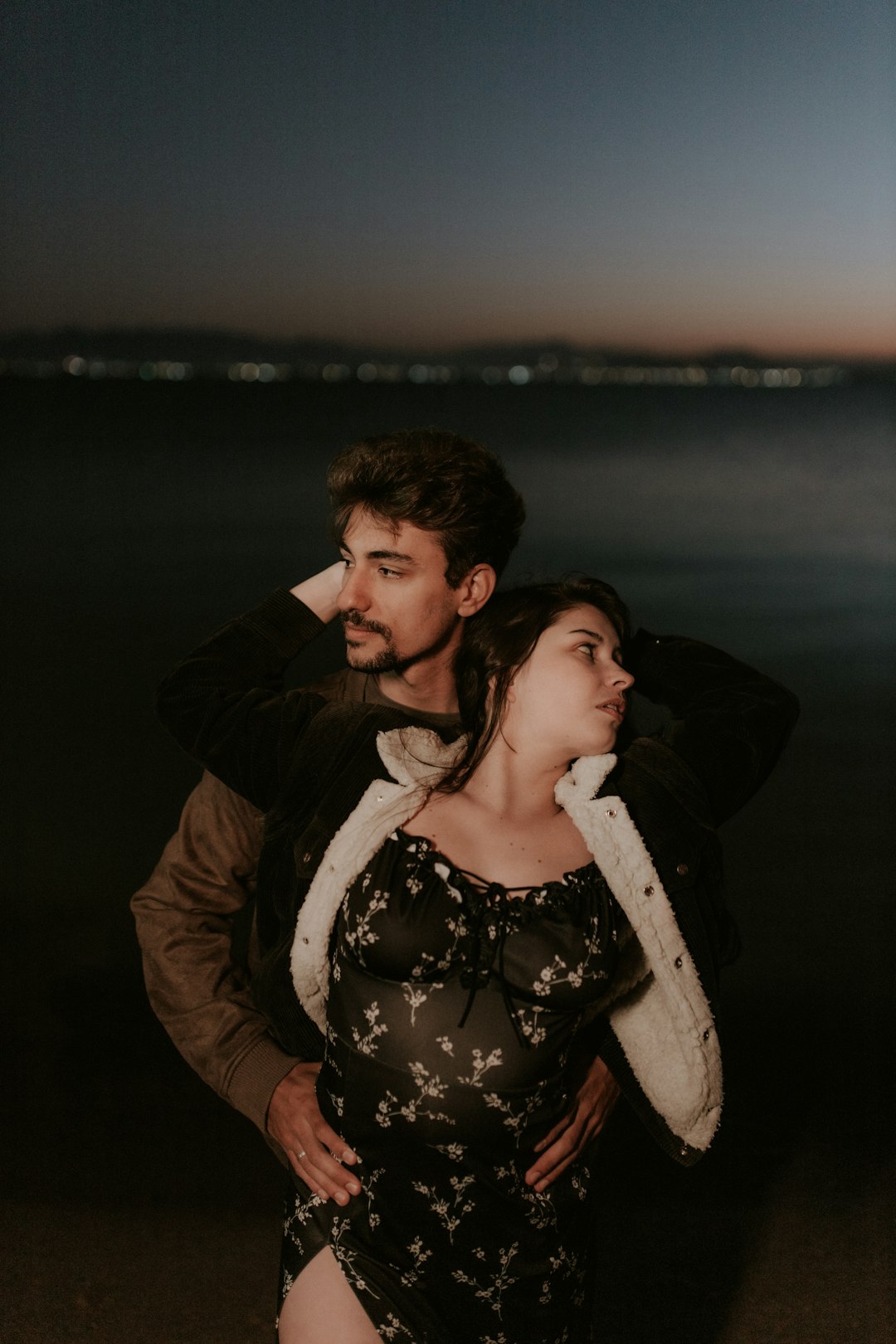
There's a specific moment every cumbia dancer chases — that split second when the music stops feeling like something you're listening to and starts feeling like something you're made of. Your feet know where to go before your brain does. Your hips have a conversation with the rhythm that your mind isn't invited to. You're not performing steps anymore. You're just dancing.
If you're somewhere between "I know the basics" and "I can dance this in my sleep," that moment feels tantalizingly close. Maybe you've been grinding away at the footwork, drilling the basics until your muscles ache, but something still feels off. Like you're assembling the pieces of a puzzle that should fit together but somehow don't.
Here's what nobody tells you: the gap between competent and captivating isn't about learning more moves. It's about how you inhabit the ones you already know.
The Footwork Is Already in Your Body. Now Trust It.
If you've been dancing cumbia for any length of time, your feet already know the pattern. Forward, side, back, weight shift. You've drilled it. You could do it with your eyes closed — literally, because that's actually a useful exercise.
But here's where most intermediate dancers get stuck: they're still counting. One-two-three, left-right-left. The moment your brain is occupied with the count, it can't do the other things that make dancing feel alive — responding to the music, connecting with a partner, letting your body react to a syncopation or a pause.
The trick isn't more practice in the mechanical sense. It's practice that frees your attention. Try this: dance the basic step while you're having a conversation with someone. Or put on cumbia and let the melody lead you, not the beat. The footwork should become so internalized that it runs on autopilot while your expressive brain takes the wheel.
This is what separates dancers who look like they're doing choreography from dancers who look like they're living the music.
Your Hips Are Lying to You
Cumbia hips aren't a separate technique you add on top of the footwork. They're the footwork, seen from a different angle.
When you step forward and shift your weight, your hip doesn't "do" anything special — it simply follows the weight transfer honestly. The mistake many dancers make is adding a manufactured hip movement that looks choreographed rather than organic. You end up with this strange disconnect where your hips are doing one thing and your legs are doing another, and the audience can feel the gap even if they can't name it.
Watch any dancer who looks effortless in cumbia — someone like the performers at a traditional Colombian parrando or the fluid couples you see at a Latin social dance night. Their hips aren't doing extra work. They're simply reflecting the truth of what their weight is already doing.
The internal cue that works better than "move my hip" is "let my standing leg feel heavy." When you truly settle into your supporting leg, the rest of your body — your hip, your free arm, even your expression — opens up naturally.
The Turn That Changes Everything
Once your basic movement is running on autopilot, turns become the fastest way to transform your dancing. But not the way most people approach them.
Here's the common failure mode: you plan a turn, you execute the turn, you recover from the turn. Three distinct events. It reads as mechanical, because it is mechanical.
The secret to a natural-feeling turn is counterintuitive: don't announce it. Let the turn grow out of the step. Your foot steps forward, and instead of planting and spinning, let the rotation initiate from your center before your foot even finishes settling. The turn isn't a separate thing you're doing — it's what happens when your weight transfer includes a spiral.
When you nail this, something magical happens. The people watching you stop seeing individual moves. They see a continuous flow of movement, and turns just appear inside it like surprise guests showing up at a party.
Hands That Tell a Story (Without Trying To)
Hand gestures in cumbia are often mishandled in two opposite ways. Either dancers ignore them entirely — which makes their dancing feel incomplete, like a sentence without a verb — or they overdo them with big, theatrical movements that pull focus from the body and feel disconnected from the music.
The sweet spot is something between. Think of your hands as punctuation rather than content. A gentle wrist rotation. A subtle finger flick that punctuates a syncopation. A brief extension of the arm during a turn that gives you leverage and grace simultaneously.
What makes hand gestures work isn't their size or complexity — it's their relationship to the rest of your body. A tiny gesture that perfectly matches your body's line and the music's pulse hits harder than a grand gesture that feels added on.
Why Dancing with Someone Else Is the Real Teacher
You can drill footwork alone in your room for years and still feel like a beginner the moment a partner takes your hand. There's something about the immediate feedback of partner dancing that accelerates growth faster than any solo practice.
In cumbia partner work — whether traditional pareja suelta (free couples) or choreographed pareja enlazada (linked couples) — you learn things about your own dancing that you literally cannot feel alone. You discover where you're stiff, because your partner feels it before you do. You find out where your timing is imprecise, because mismatched weight shifts create friction. You learn the difference between moving with someone and moving near someone.
If you only dance solo, you're practicing your projection. If you only dance partnered, you might develop dependency on someone else's cues. The dancers who grow fastest do both, and they bring what they learn in each context to the other.
The Scene You're Not Part of Yet
Every dance community has people who have been at it for years and carry themselves with a particular ease. They're not showoffs. They don't do flashy tricks. But when they start dancing, something shifts in the room. Other dancers watch them. Beginners study them without realizing they're studying.
These aren't dancers who learned more steps. They're dancers who learned their steps more deeply. Who stopped performing cumbia and started embodying it.
You know you're getting close to that level when dancing stops feeling like a test and starts feeling like a conversation. When you're not worried about getting it wrong because you're too busy responding to what's happening right now. When the next step isn't in your plan — it's already in your body, waiting.
That's the moment cumbia stops being something you do and starts being something you are.
Keep going. The music's still playing.