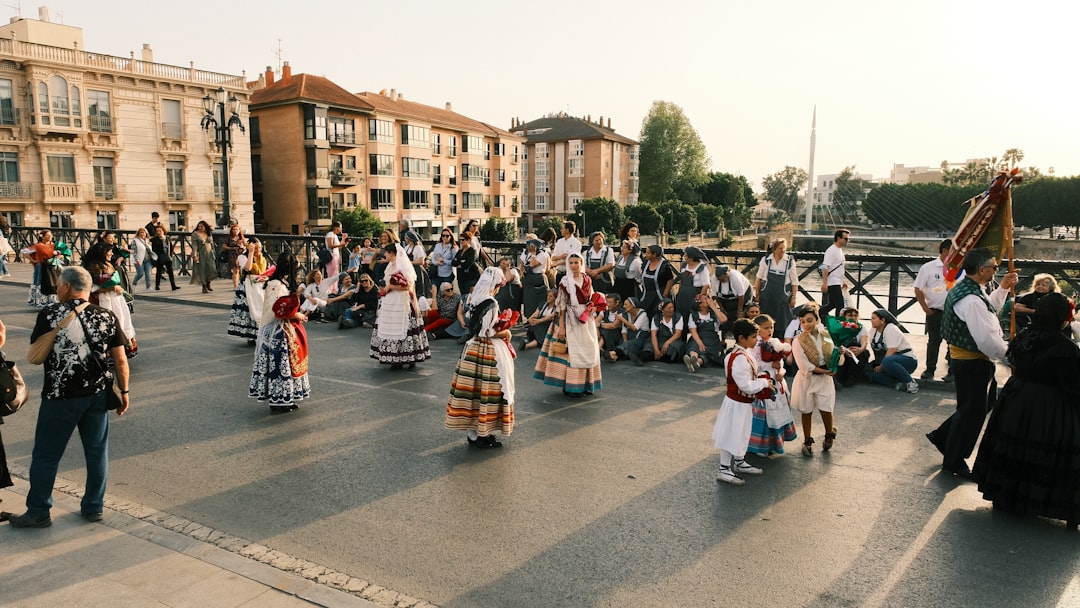
It's 9 PM on a Thursday. You're rotating partners every three minutes, laughing as a stranger guides you through a turn you've never attempted. By the end of the night, you've danced with a software engineer, a retired teacher, and someone who arrived alone just like you. Nobody cares about your day job or whether you can keep rhythm. What matters is whether you're willing to say "yes" to the next song.
This is swing dance in 2024—and if you haven't noticed the revival happening in warehouses, church basements, and converted ballrooms across the country, you're missing one of the most unexpected social movements of the post-pandemic era.
Why Swing Dance Is Having a Moment Right Now
The resurgence isn't accidental. After years of isolation, people are hungry for structured social connection—activities that force interaction without the exhausting ambiguity of networking events or dating apps. Swing dance delivers exactly that: prescribed roles (lead and follow), clear boundaries (one song at a time), and immediate physical feedback that builds trust faster than conversation ever could.
TikTok has accelerated this trend dramatically. Accounts like @swingdancelindy and @remy_kouakou_kouame have racked up millions of views showcasing improvisation battles, vintage fashion, and the raw joy of social dancing. The platform's algorithm has introduced swing to demographics that never encountered it through traditional channels—particularly Gen Z, who've embraced the "vintage aesthetic" as both lifestyle and political statement against digital disconnection.
Meanwhile, festival attendance tells its own story. The International Lindy Hop Championships saw record beginner registrations in 2023, and regional events from Austin to Asheville report sell-out crowds for introductory workshops. Dance studios that pivoted to Zoom during COVID-19 have retained hybrid models, lowering barriers for the curious but hesitant.
But media trends and attendance numbers miss the deeper appeal. Swing dance creates what sociologists call "communitas"—temporary social equality achieved through shared physical experience. On the floor, your age, income, and Instagram following dissolve into irrelevance. What remains is whether you can listen, adapt, and contribute to something larger than yourself.
What "Swing Dance" Actually Means (A 60-Second Primer)
"Swing dance" encompasses multiple styles born from African American communities between the 1920s and 1940s, each responding to specific jazz rhythms and regional influences:
- Lindy Hop: The best-known style, originating in Harlem's Savoy Ballroom. Characterized by athletic partner work, aerials (in performance contexts), and the signature "swing out" move. Most beginners start here.
- Balboa: Developed in Southern California for crowded dance floors. Dancers stay in close embrace with intricate footwork—ideal for fast tempos and shy beginners intimidated by open-position dancing.
- Charleston: Solo and partner variations featuring kicked legs and playful energy. Often taught in beginner classes as an accessible entry point.
- Collegiate Shag: Fast, bouncy, and technically demanding—less common for newcomers but increasingly popular among younger dancers drawn to its exuberant style.
These aren't museum pieces. Contemporary swing dancers remix historical vocabulary with modern influences, creating living traditions that evolve while honoring their roots.
Your First Steps: A Practical Guide for the Intimidated
Finding Your Entry Point
Local classes and workshops remain the gold standard. Search "[your city] swing dance lessons" or check national organization directories like Yehoodi or Swing Dance Council listings. Many scenes offer "intro nights" with discounted drop-in rates—typically $10-$20 including a beginner lesson and social dancing.
Online foundations can reduce first-night anxiety. YouTube channels like iLindy and Rhythm Juvenile provide free breakdowns of basic patterns. Practice alone to develop rhythm familiarity, but recognize that partner dancing requires—you guessed it—partners. Use online resources as supplement, not substitute.
Community integration happens through social dances ("socials"), not just classes. These range from weekly gatherings in church basements to monthly live-band events in historic venues. The format is consistent: beginner lesson at 7 PM, social dancing until 11 PM or later.
What to Wear (and What Will Mark You as Clueless)
Footwear matters most. Avoid rubber-soled shoes that grip the floor—you need leather or suede soles that allow controlled sliding. Many beginners wear dress shoes with leather bottoms or purchase dance sneakers ($60-$120). Some venues offer rental shoes for first-timers.
Clothing should prioritize movement over aesthetics. You'll sweat. You'll lift your arms. You'll possibly be dipped. Choose breathable fabrics and secure waistbands. Vintage fashion is celebrated but not required; contemporary dancers wear everything from jeans to 1940s reproduction dresses.
The one genuine faux pas: outdoor shoes on historic wooden floors. Many venues require shoe changes to protect