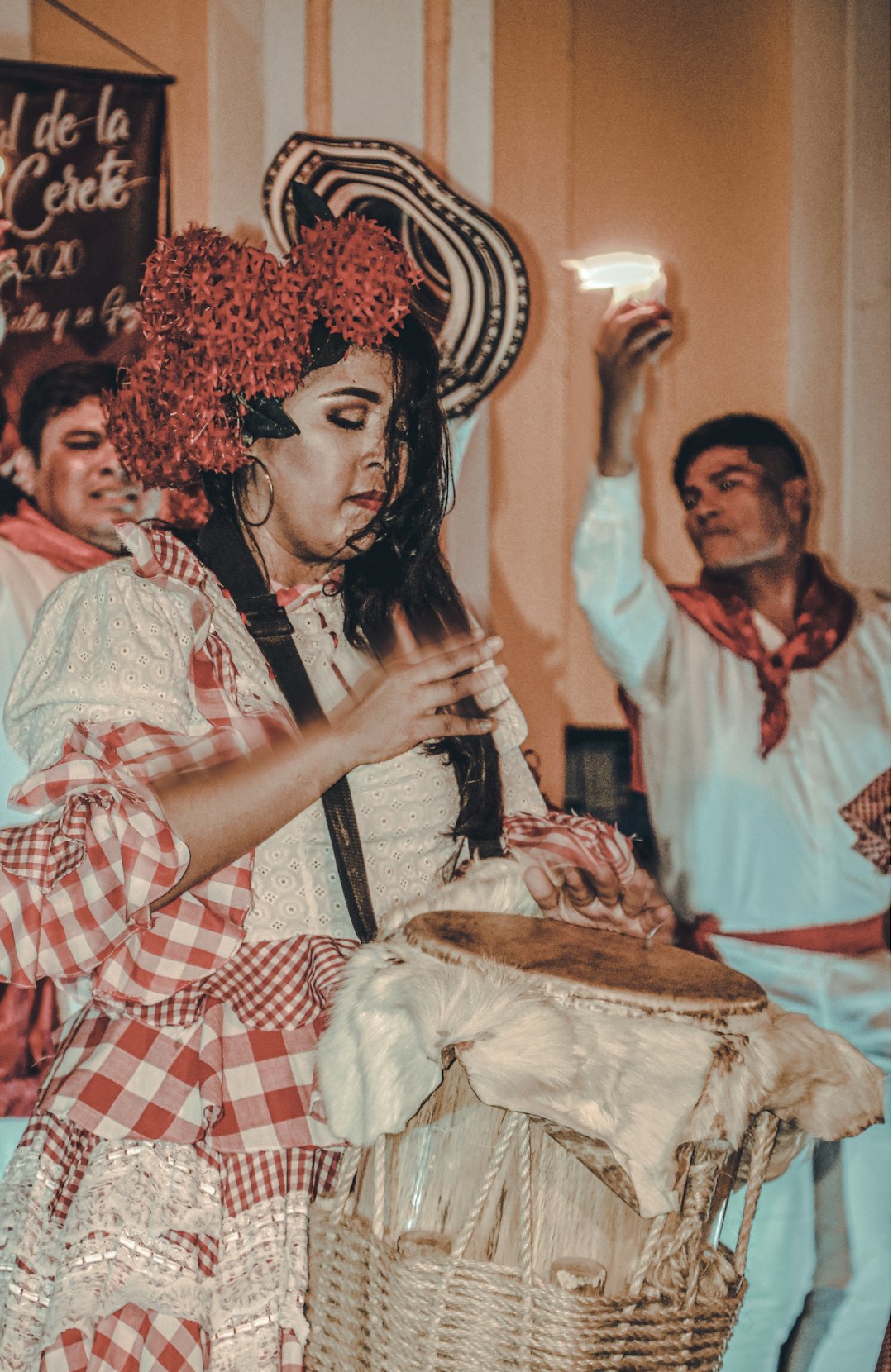
The brass section hits. A stranger's hand finds yours. Three minutes later, you're breathless, grinning, and wondering where the time went. This isn't a nightclub. It's Tuesday night swing dancing—and it might be the fitness routine you didn't know you needed.
What Swing Dancing Actually Is
Before you picture Dancing with the Stars or stiff ballroom formality, here's the reality: swing dancing emerged from 1920s Harlem jazz clubs, evolved through decades of underground revival, and now thrives as a global social phenomenon. The most common style you'll encounter is Lindy Hop—an improvisational partner dance built on pulse, bounce, and playful conversation between lead and follow. Other variants include East Coast Swing (compact, beginner-friendly), West Coast Swing (smooth, blues-influenced), and solo Charleston (no partner required).
Unlike performance-focused dance, swing prioritizes social connection. You show up to a "social dance," rotate through partners all evening, and improvise together to live or recorded jazz. The culture emphasizes joy over perfection; beginners are welcomed, mistakes are laughed off, and the dress code rarely exceeds "comfortable clothes you can sweat in."
The Case for Swing Over Everything Else
| If you're tired of... | Swing offers... |
|---|---|
| Staring at screens while cycling | Real human eye contact and laughter |
| Running's joint impact | Low-impact movement with built-in rest intervals |
| Yoga's solitude | Instant community and accountability |
| Gym intimidation | Zero body-type prerequisites; all ages and sizes welcome |
The comparison isn't hypothetical. A 2019 study in Journal of Applied Gerontology found that social dancing reduced fall risk by 53% in adults over 65—outperforming traditional balance training. Why? Swing demands constant proprioceptive adjustment: reading your partner's weight shifts, navigating crowded floors, and adapting to tempo changes in real time.
What Actually Happens to Your Body
Caloric burn: A spirited Lindy Hop social dance clocks 300–500 calories per hour, comparable to moderate cycling or swimming. But unlike steady-state cardio, swing functions as natural interval training—intense 3-minute dances interspersed with conversation breaks.
Muscle engagement breakdown:
- Core: Continuous postural adjustment maintains frame and prevents lower back strain
- Calves and ankles: The distinctive "pulse" (bending into the floor on off-beats) builds eccentric strength
- Shoulders and back: Connection with your partner requires engaged lats and rotator cuff stability
- Feet: Quick directional changes improve agility and ankle proprioception
Cardiovascular adaptation: Regular dancers typically see resting heart rate improvements within 6–8 weeks, with the added benefit of cognitive load—you're too focused on musicality and partnership to notice you're exercising.
The Mental Health Edge We Need Right Now
Post-pandemic loneliness has been declared a public health epidemic. Swing dancing offers what sociologists call a "third space"—neither home nor work, but a community anchor that fosters belonging.
The psychological benefits run deeper than socializing:
- Flow state induction: Improvised partner dancing creates present-moment absorption that mirrors mindfulness meditation
- Touch deprivation remedy: Appropriate physical connection releases oxytocin and reduces cortisol
- Mastery progression: Visible skill development (first basic step → first social dance → first musical interpretation) triggers sustained dopamine release superior to repetitive gym routines
Dancers frequently describe "swing therapy"—the impossibility of ruminating on work stress while executing a swingout to a 180 BPM Count Basie track.
"But I Can't Dance": Debunking the Barriers
"Do I need a partner?" No. Social dances use rotation systems; you'll dance with 10–20 people per evening. Solo Charleston and jazz roots classes require no partner at all.
"What if I'm uncoordinated?" Swing's lead-follow structure means you only learn half the vocabulary. Your partner provides half the movement information through physical connection. Many self-described "klutzes" thrive because the framework reduces cognitive load.
"Aren't I too old?" Swing communities skew 25–55, with active social dancers in their 60s, 70s, and beyond. Age diversity is a cultural value, not an exception.
"I have no rhythm." Rhythm is trained, not innate. Beginner classes spend weeks on pulse and musicality before complex patterns. The music itself—big band swing with clear, driving beats—provides scaffolding that electronic or complex genres lack.
Your First Steps (Specific and Actionable)
Gear: Smooth-soled shoes are non-negotiable. Rubber grips the floor and strains knees. Look for leather-soled dance shoes